The Art of Creation: The Art of Place-Naming
What's in a name? Plenty, both in the name itself and how it is chosen.
Today we welcome writing from Jeff Reed, a regular contributor to The Ecological Disciple. You can find Jeff's previous writing for The Ecological Disciple and a short biography on his author's webpage here.
We are and always have been name-callers, christeners, writes Robert Macfarlane in Chapter 1 of his exquisite book Landmarks. In it, he explores landscape and natural life through collected place-words and writers who have found ways to describe the world “exactly and exactingly.” Words are grained into our landscapes, and landscapes are grained into our words, Macfarlane observes as he shares his lifetime hobby of capturing and preserving unique language artifacts that lovingly name the natural world with precision and beauty.
I read Macfarlane’s book on the edge of my seat, so compelling is his ability to evoke the mystery and beauty of the natural world with equally beautiful language. Each chapter focuses on a different landform and concludes with a glossary of unique words describing aspects of that particular geography. The whole project stimulated my thinking around the human process of naming particular places and natural objects. In this piece, I explore why humans are drawn to name things and how those motives shape different patterns of name-choosing. I also reflect on how a name affects the thing named and how this can offer moral guidelines when evaluating names and/or choosing names. Finally, I suggest a couple of naming practices suitable to ecological disciples.
Giving something precious a name is consequential. Parents naming children and children naming pets intuitively know the shaping power names carry for the life of the named. In the Bible, much attention is given to the naming of people, and the names often carry seeds of destiny. God changes Jacob’s name (meaning “supplanter”) to Israel (meaning “strives with God”) after Jacob’s wrestling match with the angel. Jesus changes Simon’s name (meaning “one who hears”) to Peter (meaning “rock”) after prophesying Simon’s role as the future leader of the church.
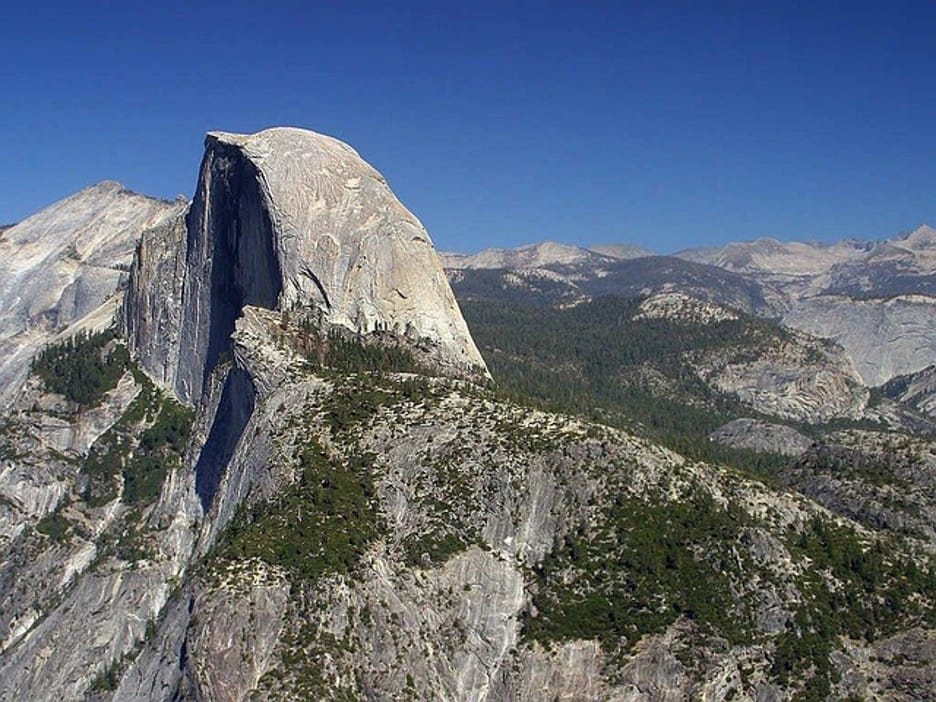
This is true for places and natural objects as well as people. Once something is named, it becomes very difficult to separate the thing from its name. The name becomes a primary way we hold the thing in our consciousness and it unconsciously shapes the way we see, think, and feel about the object. Take Yosemite’s iconic Half Dome as an example (originally named Tis-sa-ack meaning “cleft rock”). The name Half Dome has become synonymous with the mammoth rock formation known for its rugged beauty and rock-climbing challenges. The word “dome” evokes largesse and spatial grandeur. The addition of “half” evinces a cataclysmic shearing, leaving the exposed face, the terrible height and drop, and all of the drama associated with this popular tourist attraction. But what if, instead, this formidable rock formation was named “Nazgul,” after the cloaked death riders in J.R.R. Tolkien’s novel The Lord of the Rings? A case can be made for an eerie kind of resemblance. How would you now think, see, and feel about the Nazgul Rock in Yosemite? It would undoubtedly retain its popularity as a tourist attraction for photographers and climbers alike, but would it take on a different ethos? Would its crevices and shadows carry more menace than now they might be said to hold?
We name things for diverse reasons, and our motive for naming influences the kind of name we give the place or object in view. I suggest four main motives: 1) “honoring": we name places and things in order to honor what is before us; 2) “piggybacking": we name in order to preserve something unrelated to the place or object before us; 3) “colonizing": we name in order to exert some kind of control over the thing named, or over those for whom the place and object is important; 4) “remembering": we name in order to preserve what we name, or something closely associated. Let’s look at each of these patterns briefly.
Honoring. People name something to reflect, highlight, or capture something inherent in the thing itself. Half Dome is an example of a name that attempts to describe or hold the essence of the thing named. Where I live in the state of Washington, there is a majestic mountain that dominates the skyline of western Washington. It was originally called Tahoma or Tacoma, an anglicized pronunciation of a Lushootseed word meaning “snow-covered mountain.”1 Notice how the name aptly describes its object. It is common to find this honoring naming pattern among indigenous peoples, consistently describing things in terms essential to the things themselves. This, I would venture to say, holds the highest moral integrity of all the naming patterns discussed here.
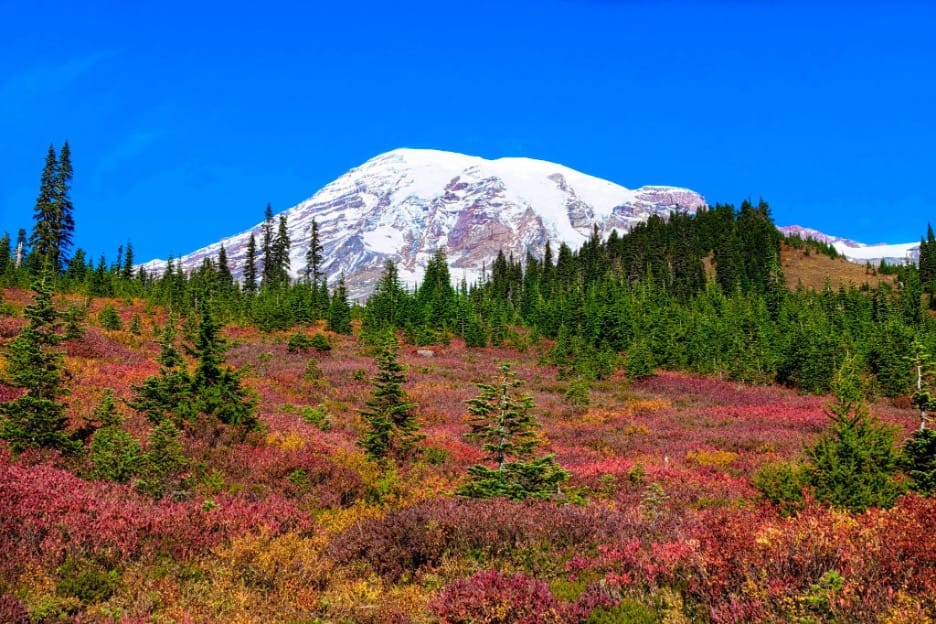
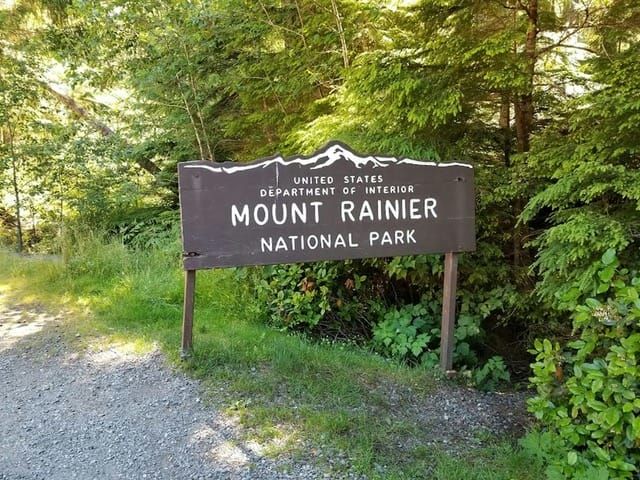
In 1890, the United States Board on Geographic Names declared that the mountain would officially be known as Mt. Rainier, following the lead of George Vancouver who, in 1792, had named the mountain in honor of his friend, Rear Admiral Peter Rainier.2 This is a premiere example of the naming pattern of piggybacking—attaching a person’s name to something without that person ever having any dealings with the place or thing being named. Rainier had never seen the mountain or even set foot in the Pacific Northwest. While this is honoring to a person, I find this form of place-naming disrespectful of the place itself and thus morally suspect.
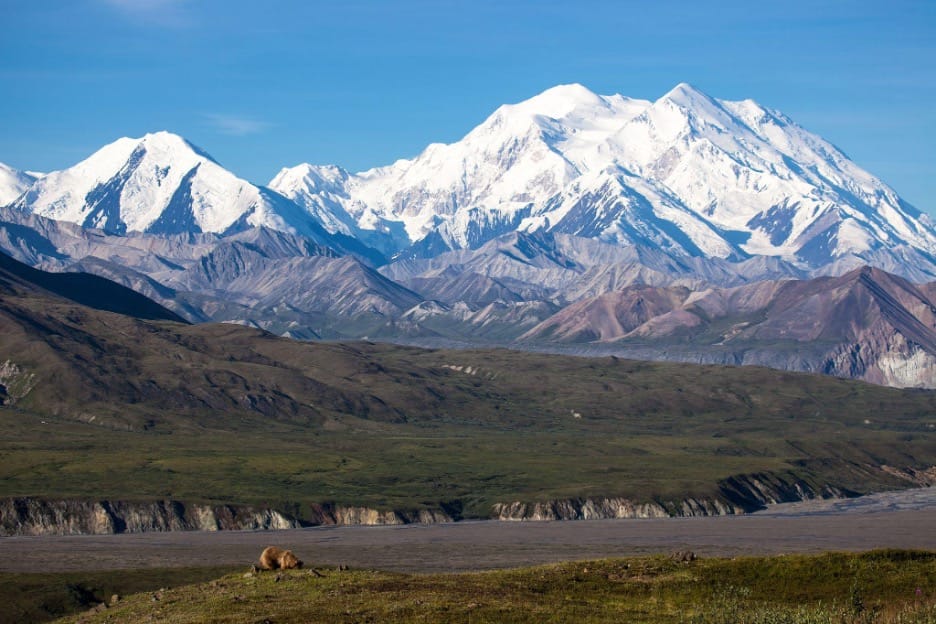
Colonizing. The story of Mount Denali/McKinley illustrates naming which uses a name as a form of cultural conquest—displacing local cultural meaning with an imposition from the outside as an expression of power and control. This mountain was originally named Denali by the Koyukon people, meaning “the high one” or “tall one,” an apt name for the tallest peak in North America. In 1896 a gold miner named the mountain McKinley in honor of then-presidential candidate William McKinley. The US Government officially adopted the McKinley name in 1917. In 1977 the state of Alaska renamed the mountain Denali once again in honor of its original attribution, and the US government followed suit in 2015, some 40 years later.
But in January 2025 the Trump Administration unilaterally renamed the mountain Mt. McKinley once again as an overt act of cultural bullying. This action signaled a refusal to recognize the value of the Koyukon people’s cultural heritage and was a symbolic assertion of American cultural dominance, resisting trends that would have us replace colonized or piggybacked names with pre-European honoring names. I believe this latest name imposition is immoral and destructive and can create attitudes that lead to other forms of exploitation.
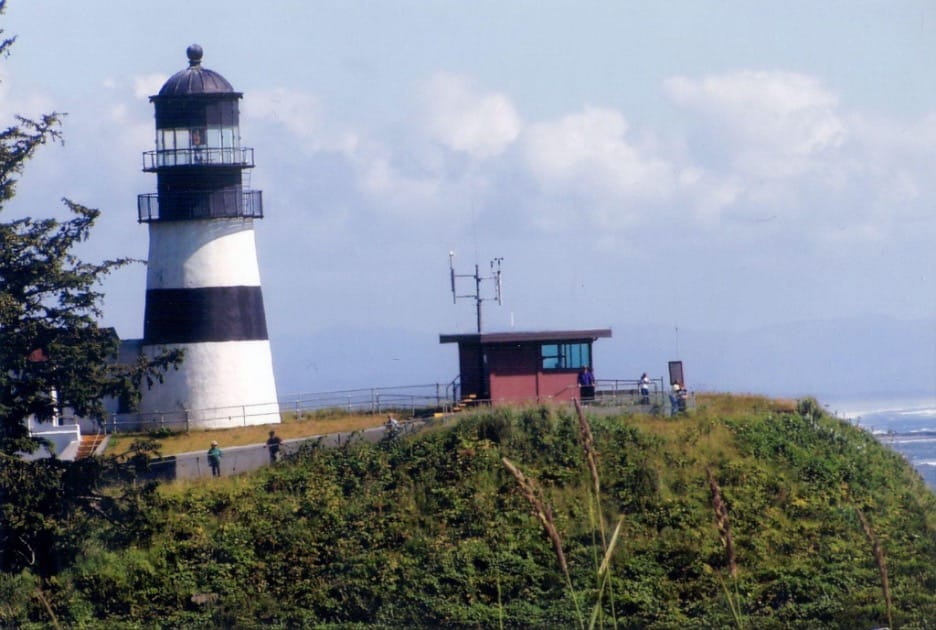
Remembering. The fourth pattern of place-naming is choosing a name that memorializes a famous event or person that was integrally connected to the place or object being named. For example, and again using a place in my home state of Washington, British fur trapper John Meares was searching for the mouth of the rumored Columbia River in 1788 (originally named Nchi wana in the Sahaptin language and Wimahl in upper Chinookan, both honoring names translating to "the big river"). Meares happened to sail right past it, thinking it was only a shallow bay. Several years later, Robert Gray discovered this spot was indeed the river entrance, proving Meares wrong. Meares called the headland Cape Disappointment to mark his failure, and the name has held ever since.3 This form of naming preserves an actual story of place and time, and thus can have integrity as such, bearing witness to a moment and holding it in memory for the generations that will one day pass by and through.
As we seek after an ecological discipleship that best honors God’s creation, I would argue that names are best when they have intrinsic connection to the places or objects named. This is a way of respecting the entity itself and not simply using place and geography and flora for ends unconnected to the named object’s very reason for being.
Ecological harm has always followed a theology of dominion which sees the world as fodder to be used for human advantage and profit, rather than as created realities with their own boundaries of autonomy to be respected and used in ways the Creator intended. The minute we fail to see the created order for what it is in itself, we begin the slippery decline toward exploitation. Since language often precedes values, and values direct actions, our habits of naming directly shape our interaction with the created order. Where place names are more arbitrary, I believe the prevailing attitudes will tend toward more exploitative practices.
One practice I encourage is to name places and natural features in your particular world with genuine names. Try giving an honoring or a remembering name to the tree in your backyard, or the hill behind where you live. Old maps are rife with place names locating spots in which now nothing remains. But the maps themselves are evidence that, at one time, humans were consciously inhabiting their local environments either with respect or with disregard, clues left behind in the names given.
Another practice I recommend: when we happen to come upon piggybacked or colonized name, let us choose as an act of cultural resistance and spiritual discipline to personally use alternative names for the place or object in view—either names that preceded the current imposition, or, without access to that knowledge, fresh new honoring or remembering names. Your new name might not change the modern map, but it could open up an interesting conversation with a friend, and it might catch the ear of a young person who will carry it around long enough so that one day it ends up on a map after all.
I welcome your comments below, or email me directly at windinthereedspub@gmail.com.
Jeff
1 "Puget Sound Geographical names." Tulalip Tribes of Washington. Archived from the original on April 4, 2022. Retrieved April 24, 2026.
2 "Historical Notes: Vancouver's Voyage." Mount Rainier Nature Notes. VII (14). 1929. Archived from the original on January 17, 2021. Retrieved February 3, 2015.
3 Meares, John (1790). Voyages made in the years 1788 and 1789 from China to the northwest coast of America. London: Logographic Press. p. 167. ISBN 978-0-665-36543-0. OCLC 243542405 – via the Internet Archive.
IF YOU LIKED THIS, HERE'S ANOTHER TO TRY...
 Louise Conner, Editor


The Ecological Disciple is part of Circlewood, an organization committed to "accelerating the greening of humanity."
Comments ()