
The Art of Creation: Earth Bound
In a stony, cold country, huddling closer may be the way of survival.
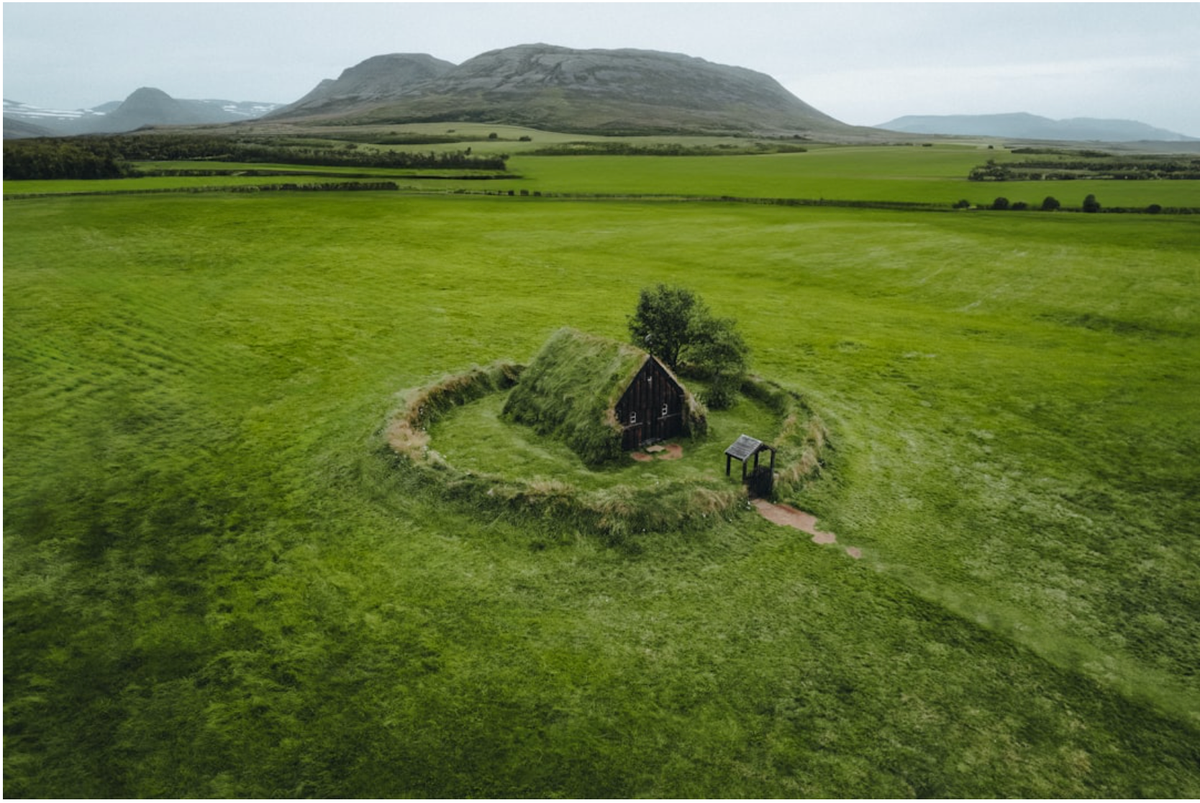
Since 1992, no one has lived year-round in a traditional Icelandic torbæir (turf house), and those torbæirs that remain intact are either preserved heritage pieces or converted airbnbs retaining only the outside shell of a turf house. Even so, the few turf structures that have been preserved have lessons to teach. Central to Icelandic history and a model of adaptation, they point to a way of living that allows coexistence and a sustainable balance between a people and the land with "ice" as the first part of its name.
The history of Iceland did not begin in sustainable practices. When Viking settlers first landed around 874 AD, 30% of Iceland was covered in forests, mainly comprised of birch. But the settlers rapidly depleted the forests, chopping down trees for firewood, boat and building construction, and fencing. Most significantly, they also cleared forests to create grazing land, which was unable to regenerate due to the constant grazing of livestock on the land. This resulted in the most extreme deforestation in the world's history, dropping the percentage to below 1%. (Diligent reforestation efforts have now increased that number to 2%).
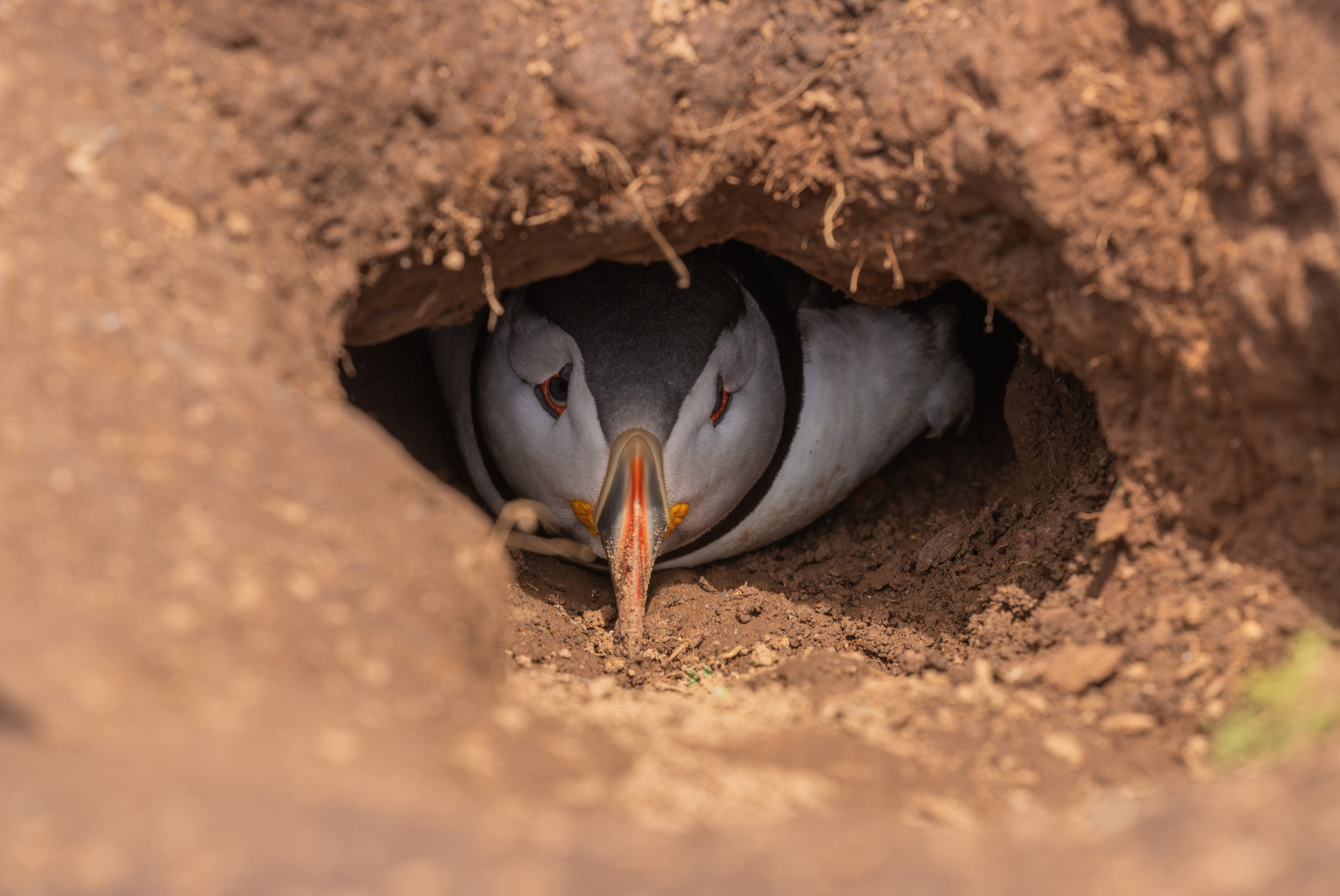
As the necessity of finding new resources to enable survival asserted itself, the Icelandic people called on something many of them were already familiar with from their Scandinavian heritage—the Norwegian long house. They took that knowledge and applied it to their new, harsher environment, relying on the abundant resources they had—stone, earth, turf, and body heat. They used sparingly the materials harder to come by such as driftwood and timber, and ended up burrowing into the land to survive, like other Icelandic creatures such as Arctic foxes and Atlantic puffins. Many doubt humans would have survived in Iceland without these turf houses to provide shelter to them and their animals in the often unpredictable and harsh climate they found themselves in.
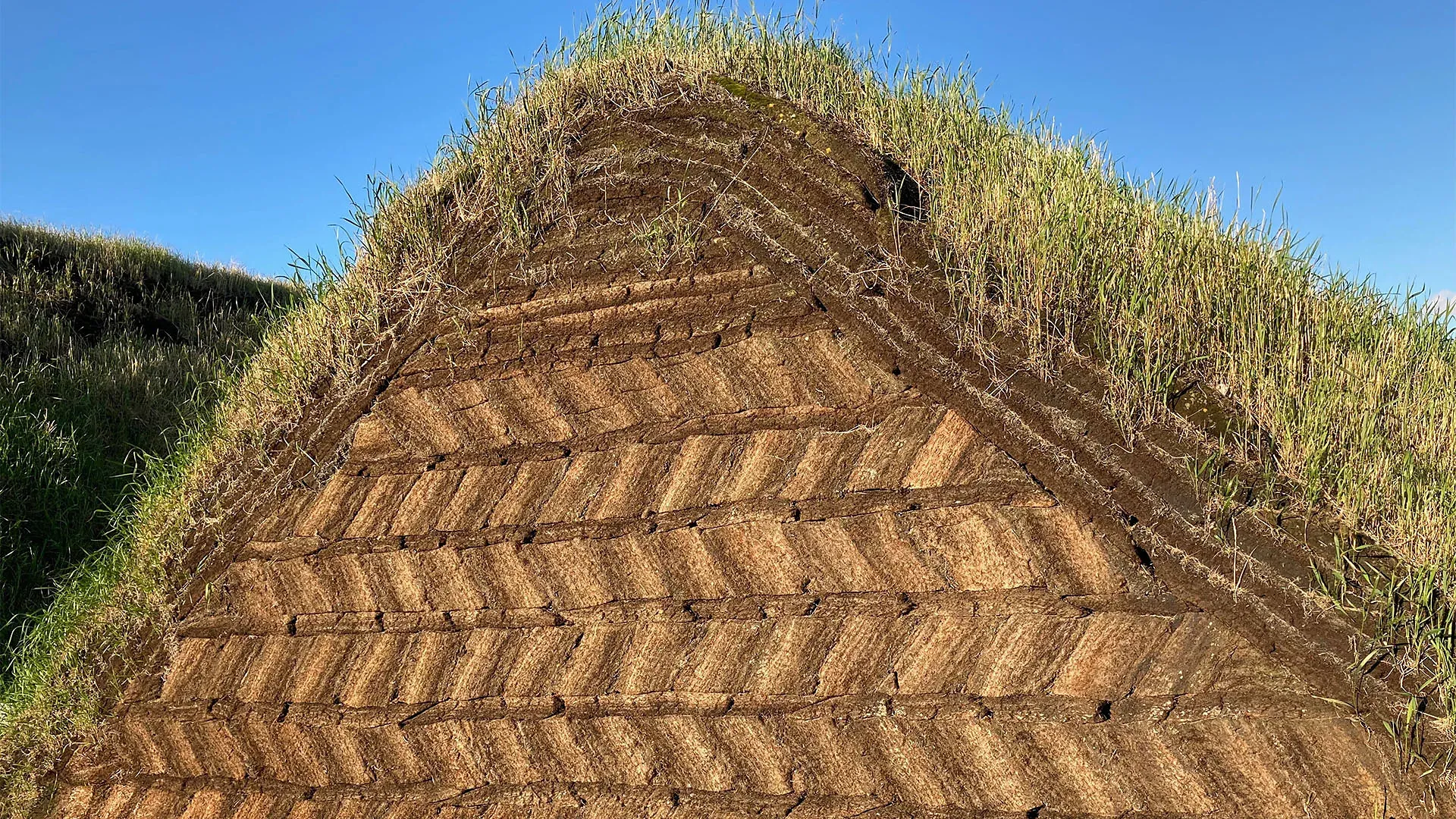
Turf houses are not simple structures. Commonly, the ground was leveled using flat stones, followed by a frame of birch wood to bear the load of the structure. Thick blocks of turf were fitted around the frame, typically creating a herringbone pattern. The walls could be as thick as six and half feet when finished, creating a very well-insulated dwelling.
There were various shapes and angles of turf blocks, depending on the intended design and technique. Some blocks were diamond-shaped; others were long strips. The types had specific names: strengur, torfa, klömbruhnaus, snidda. The names all pointed to their specific purpose and characteristics.
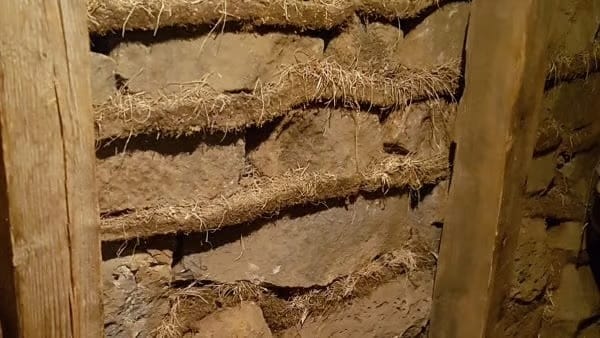
The timing of when the turf was cut from the local marshlands was important. If cut at the wrong time, it would be either too wet or too dry. The best time was late summer or early autumn, when there was some moisture in the soil but not enough to create sogginess. The roots were bound up with the soil most tightly during this time, increasing the sturdiness of the walls. The turf continued to live and grow after it was incorporated into the structure so that it fused the parts together, causing the building to become stronger and more weather resistant as it grew older.
Periodically, the turf of the houses would need to be refreshed as the root systems degraded. People would reuse the stones and timber from the original structure. How often this refreshment was necessary depended upon the quality of materials, the workmanship, and the location of the building. Southern buildings needed repair more often because of the frequent fluctuations between frost and thaw, which caused wear on the turf. A wall might last 20-25 years in the south instead of 50-70 years in the north.
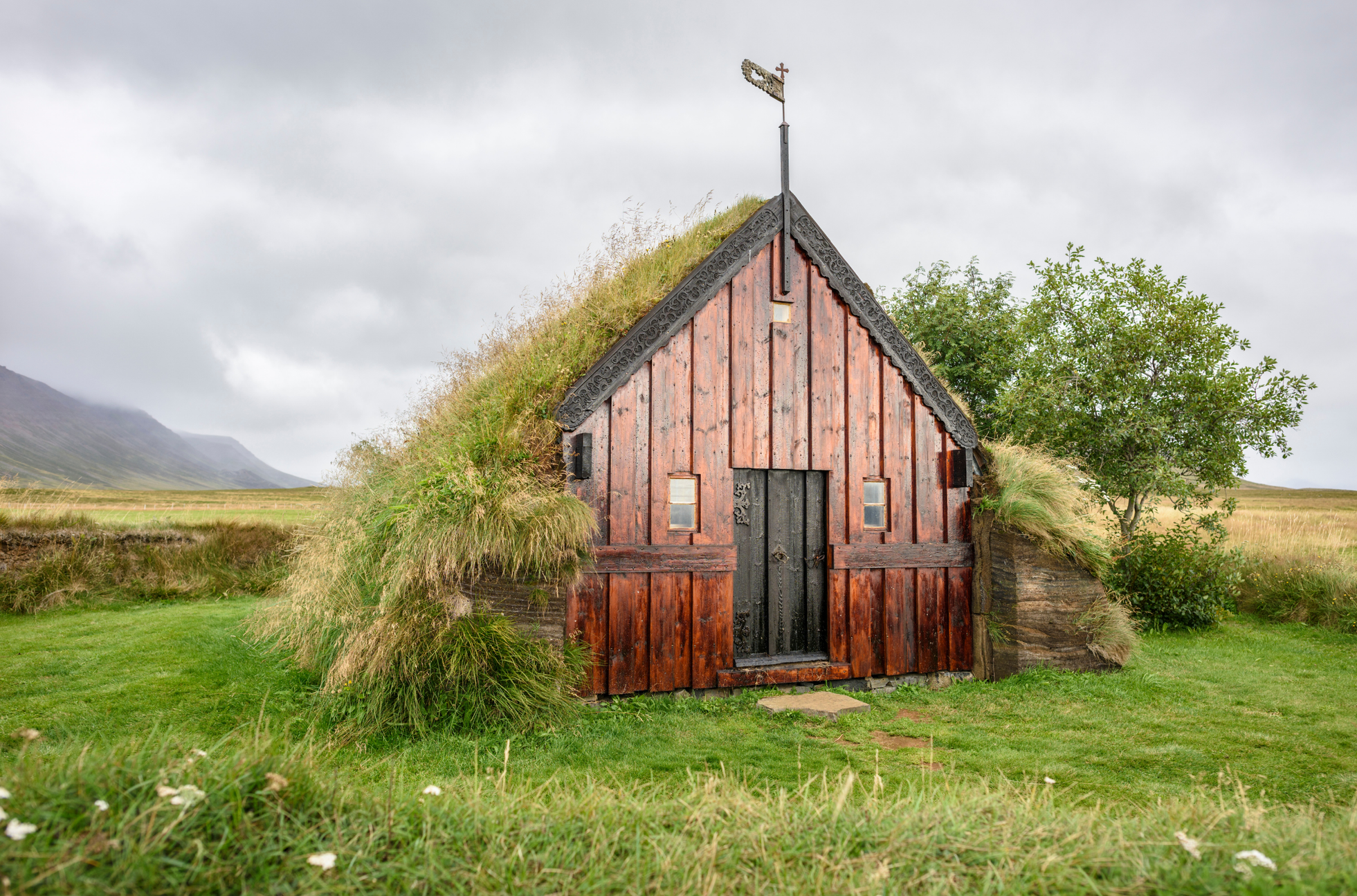
Typically, the only exterior surface composed of wood was the doorway, which would often be carved and decorative. Wood was also used frequently for the inside paneling, with the amount of wood used dependent upon the wealth of the owner.
Early on, from the 9th to the 18th centuries, the only heat sources in the building were the human and animal bodies and the heat they generated, with the thick insulation of walls acting to keep the heat in. Sometimes houses were made two stories high, with animals on the lower level generating heat that would rise and keep the human living spaces on the upper levels comfortably warm. The cooking fire, in addition to creating an often-smoky atmosphere, also served to preserve the food and wood in the building.
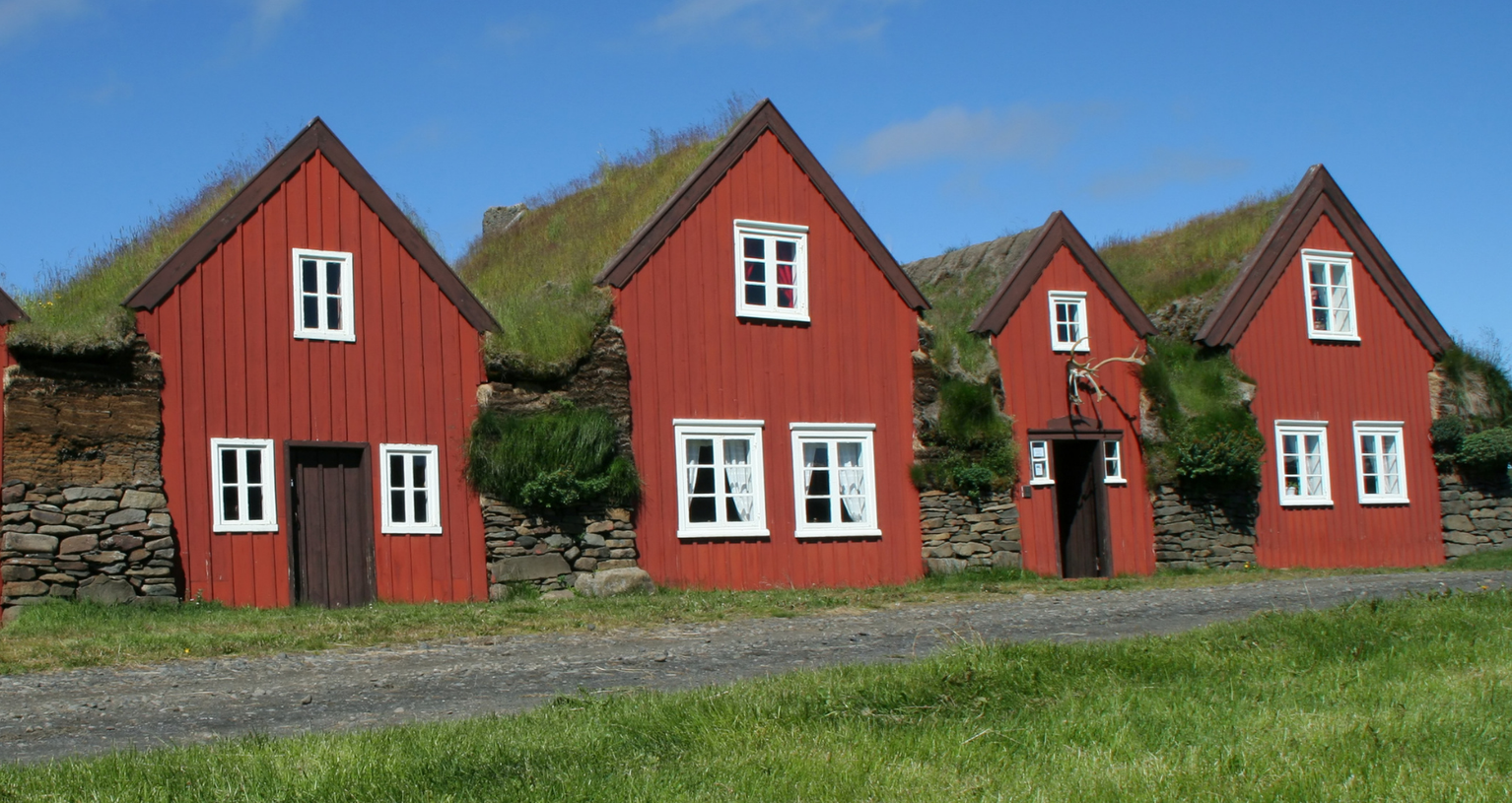
Innovations were made throughout the history of turf buildings, including clustering buildings into complexes. These were built individually but placed next to each other so that they shared walls, cut costs, and increased the inside warmth. The innermost structures, which were the warmest, would be the living quarters.
Eventually, turf houses began to become a thing of the past, as new materials such as concrete was created and changes in trade made wood more available. Not every step forward was necessarily a complete improvement, however. When the turf houses were replaced, often the residents would complain that the new houses were colder than the turf houses.
Although in the past, every farmer and every farm worker knew how to construct and maintain the turf buildings, this expertise was often lost along with the buildings themselves. It is only recently that this knowledge was deemed valuable enough to save; those wanting to restore the buildings had to hunt for the people with knowledge.
As Helgi Sigurdson, a turf house builder specializing in restoring old turf buildings said, "What looks simple to build now was a skilled art, fine-tuned over centuries. There is no manual. When I started restoring these buildings, the only ones who knew how to do it were the local farmers who still had turf building on their lands, so I talked to them to learn techniques."
Learning from the land, learning from the past, and learning from those who have long experience with a particular place or practice all require the one who is a newcomer to something to slow down, listen, and pay attention instead of leaping quickly to what might seem like the expedient way forward. It is through experience (either ours or the borrowed experience of others) that we can make better choices about how we live and accommodate ourselves to the land instead of merely forcing the land to make accommodations to us.
These are some of the lessons the turf homes of Iceland can begin to teach us.
I would love to hear your thoughts in response to this. Feel free to leave a comment below (you can sign in through your email) or contact me directly at louise.conner@circlewood.online. We also encourage you to share this piece with your friends using the share button on the email we send out or on the post's webpage.
Louise

The Ecological Disciple is part of Circlewood, an organization committed to "accelerating the greening of faith."


Comments ()