
The Art of Creation: Holding Creation in Prayer
Hear this invitation to pray for what you love, whether it is human or not.
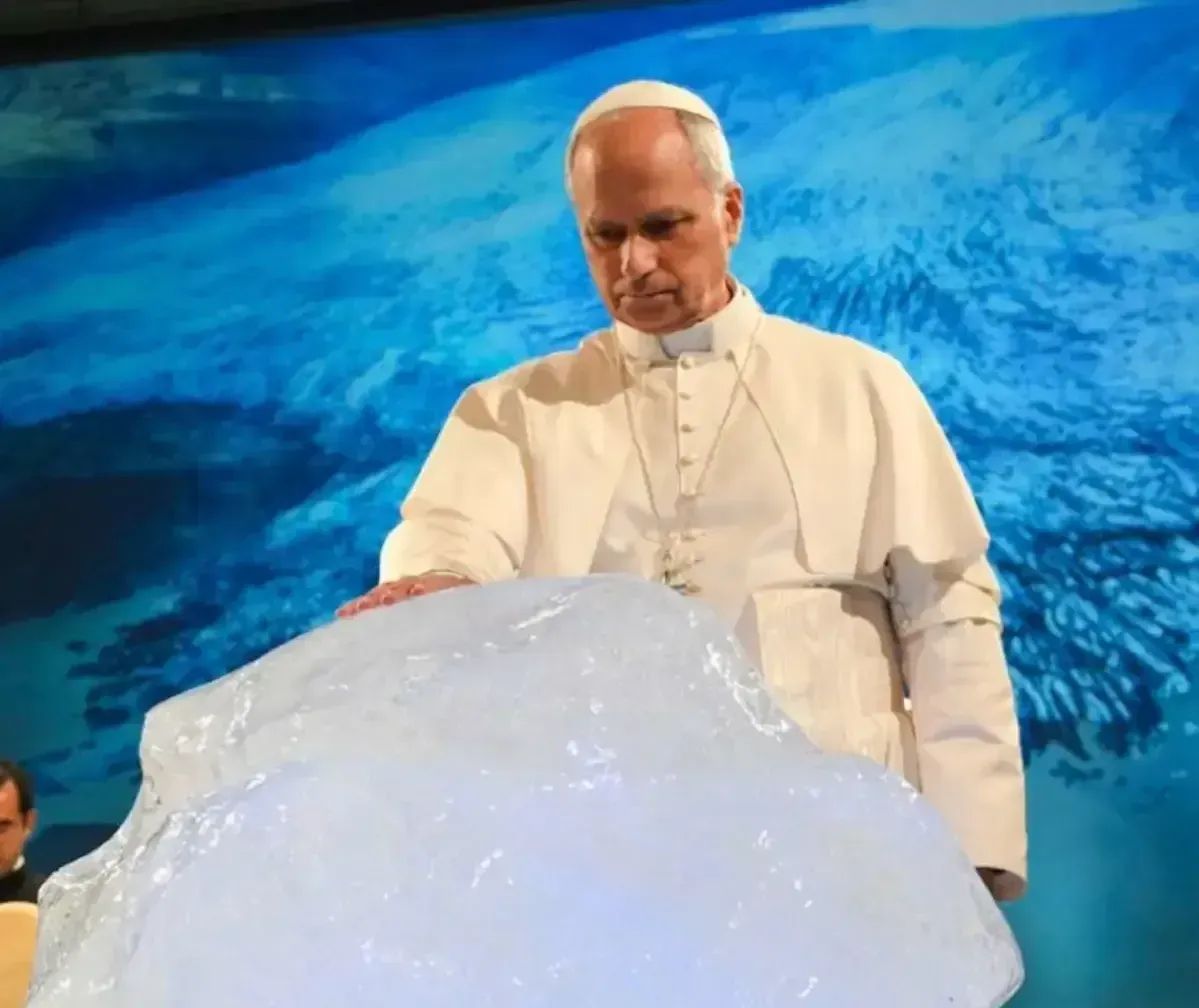
Last fall, at a conference entitled “Raising Hope for Climate Justice,” Pope Leo gave a blessing over a large piece of Greenland glacial ice. The ice had fallen into the Nuup Kangerlua fjord prior to its transportation to the conference—which was arranged by artist Olafur Eliasson and geologist Minik Rosing. It was a visual reminder during the conference of the dangers of climate change and it was upon this 20,000-year-old ice that Pope Leo placed his hand and prayed these words:
Lord of life,
Bless this water.
May it awaken our hearts, cleanse our indifference,
soothe our grief, and renew our hope.
Through Christ our Lord.
Amen
It was a simple prayer, and similar to traditional Catholic blessings over animals and fields, harvest and soil, water and animals. This blessing, however, roused criticism and ridicule. Many of the objections came from a mindset of scarcity (How can you bless a block of ice when there are people who need your blessing?) This mindset, with its frequent companion of a hierarchical view of importance, can lead to the idea that only things at the top of the hierarchy are worthy of resources, including, it seems, prayer.
In Christianity, however, God is at the center of meaning, not humans, and creation is not a set of disconnected entities but a web in which there are connecting lines between individual parts of creation. The health of one affects the health of others.
In the first and last books of the Bible, we see that God places importance on the nonhuman parts of creation. God's very first blessing in the creation of the world is not said over humans, but over the birds of the air and the fish of the sea.

Genesis 1:22 - So God created the great creatures of the sea and every living thing with which the water teems and that moves about in it, according to their kinds, and every winged bird according to its kind. And God saw that it was good. God blessed them and said, “Be fruitful and increase in number and fill the water in the seas, and let the birds increase on the earth.”
In Revelation 5:13, we see that it is not just human voices that are deemed worthy to be part of the choir raising voices of praise to God, but the entirety of creation: "Then I heard every creature in heaven and on earth and under the earth and on the sea, and all that is in them, singing: 'To him who sits on the throne and to the Lamb be praise and honor and glory and power, for ever and ever!'"
Throughout the Psalms particularly, we see God's care extended to all of creation, and in Matthew 5:29, Jesus explicitly says that God cares for the smallest in creation: Are not two sparrows sold for a penny? Yet not one of them will fall to the ground outside your Father’s care.
With all this in mind, I believe that Pope Leo's example is worth following.
A website called Eco-Prayer, a project of the organization, Thriving Earth, outlines some suggested guidelines for adding nonhuman members of creation to your prayer life. I have included an abridged version of those guidelines below.
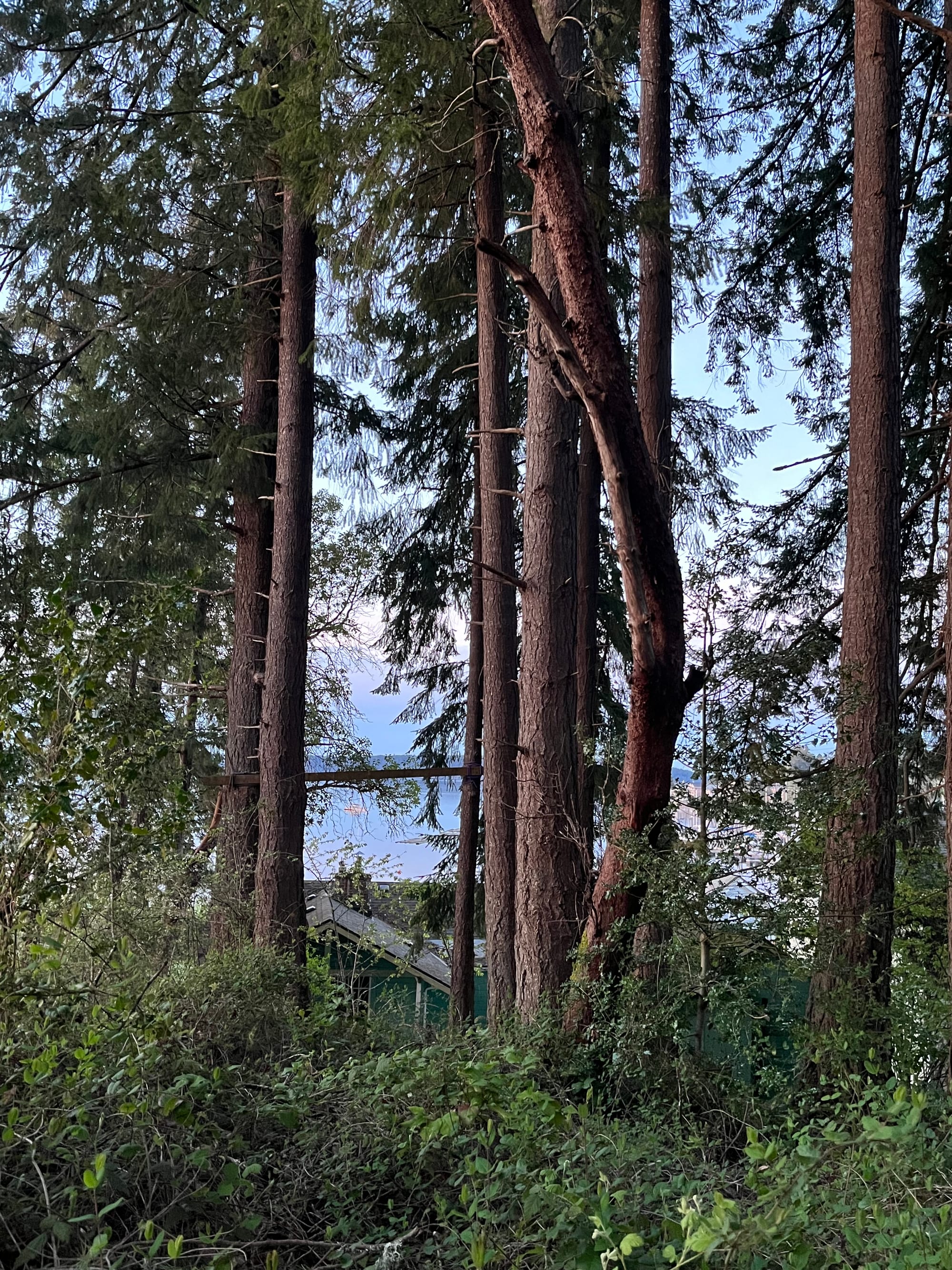
Choose places, plants, animals that you love. Commit to pray daily for them and the ecosystems in which they live.
- Daily prayer for what we love grows with practice. Pray for it and the whole environment that supports it each day. You may choose to include prayer for the people who live in and influence the ecosystem as well. If you chose something locally, consider choosing another on the other side of the planet for a global prayer.
- Put a picture of the place, plant or animal that you have chosen where you will see it every day to remind you to pray (on the bathroom mirror, car dash, or the refrigerator).
- Pray daily for what you want such as blessing, beauty, healing, abundance, thriving, health. You can even just hold it in your heart. Avoid prayer against what you do not want (for example: stop oil spills) or to control people. Focus on love, hope, and connection.
- Big Picture. Our limited, human viewpoint, does not know all that is happening within the complex web of life or how best to help. Your prayer can be for a plant or animal and its whole ecological system at once rather than just for specific problems.
- Non-directed prayer may help allow a creative response to prayer.
- Ask for direction: How should I pray? What should I do? Be open to new and creative answers from unexpected places.
- Expect an answer, but have no expectations about what the answer will look like or when it will come. Be open to creative answers and unexpected new possibilities. A change in your own attitude may be an answer.
- Service. What should I do? Should I make changes in my life? How am I called to help in the world (there are a million good causes but what am I called to)?
- Gratitude and humility help expand our ability to be of service. Friends, allies, and support may come from unexpected people. A change in attitude may be the miracle.
God's love is generous and bottomless. Our prayers to God can trust and depend on that as we place the people, communities, places, plants, and animals we love in the hands of that generous and bottomless love. Remember that because the world is full of connections, your care for one place, plant, or animal will touch a whole of host of others as well.
I would love to hear your thoughts in response to this. Feel free to leave a comment below (you can sign in through your email) or contact me directly at louise.conner@circlewood.online. We also encourage you to share this piece with your friends using the share button on the email we send out or on the post's webpage.
Louise
IF YOU LIKED THIS, HERE'S ANOTHER TO TRY...
 Louise Conner, Editor
TO LEARN ABOUT OUR PARENT ORGANIZATION, GO HERE...


The Ecological Disciple is part of Circlewood, an organization committed to "accelerating the greening of humanity."
Comments ()