
The Art of Creation: Light That Strays
The world is damaged, but still worth praising.
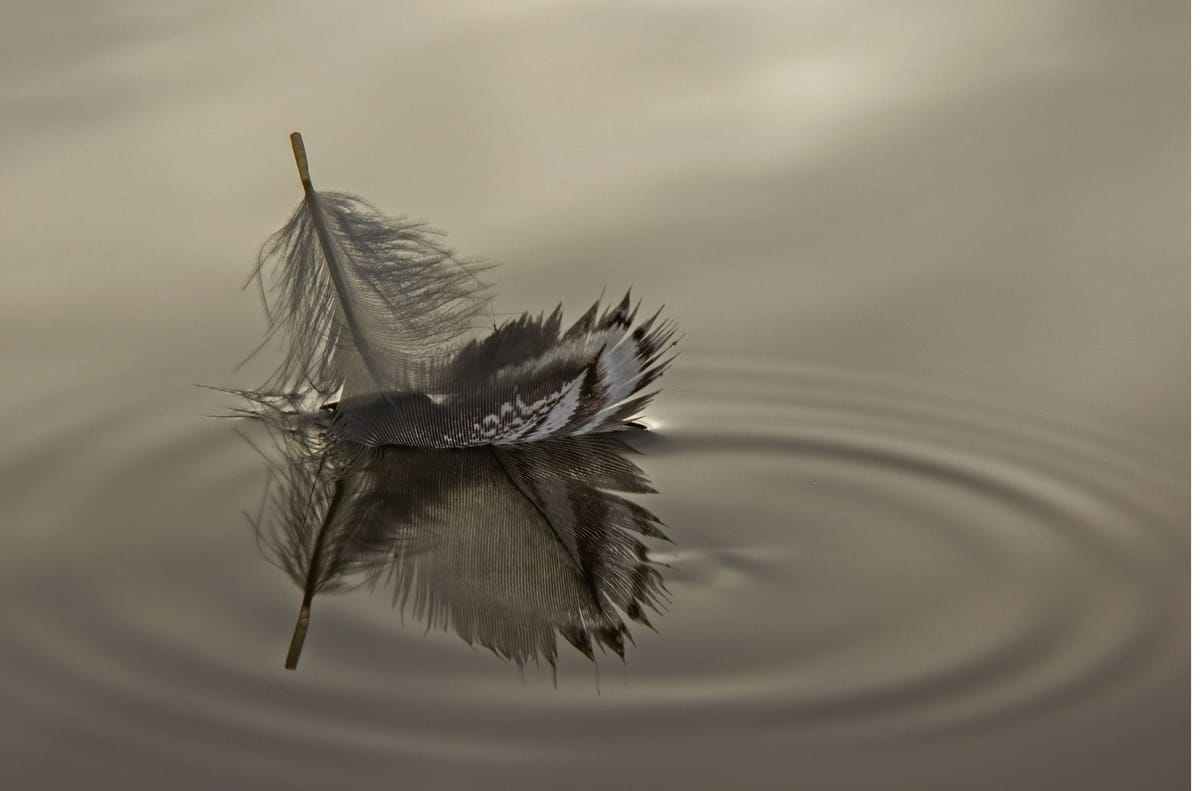
The poem, Try to Praise the Mutilated World, by Polish poet Adam Zagajewski (1945-2021) contains powerful images pointing to the beauty of this world in the midst of brokenness and the brokenness of this world in the midst of beauty. We cannot let this defacement block our recognition of the inherent value the world holds and we must find words with which to praise it. According to the poem, this is done through remembering the gifts the world has given us.
Try to Praise the Mutilated World
by Adam Zagajewski
Try to praise the mutilated world.
Remember June’s long days,
and wild strawberries, drops of rosé wine.
The nettles that methodically overgrow
the abandoned homesteads of exiles.
You must praise the mutilated world.
You watched the stylish yachts and ships;
one of them had a long trip ahead of it,
while salty oblivion awaited others.
You’ve seen the refugees going nowhere,
you’ve heard the executioners sing joyfully.
You should praise the mutilated world.
Remember the moments when we were together
in a white room and the curtain fluttered.
Return in thought to the concert where music flared.
You gathered acorns in the park in autumn
and leaves eddied over the earth’s scars.
Praise the mutilated world
and the gray feather a thrush lost,
and the gentle light that strays and vanishes
and returns.
Copyright © 2002 by Adam Zagajewski, translated by Clare Cavanagh. Farrar, Straus & Giroux, LLC.
This poem was written after the poet and his father, when visiting Poland in the 1960's, saw villages abandoned by ethnic Ukrainians when forced to leave by the communist government. In the U.S., The New Yorker published a translation of the poem a week after 9/11 and, for many, it became an iconic framing of that particular moment, putting into words people's grief, longing, and hope for the world after that event.

The mutilation that was visible in the 1960's and in 2001 is visible today as well. There are still "executioners singing joyfully" and "refugees going nowhere." The only ways to not see these things are to either become a recluse or to become very good at believing lies. But although this is a "mutilated world," the poem calls for praise, a praise that is necessary both for our own sake and the sake of the world itself.
The mutilation would mean nothing if there was nothing worthwhile in the object being mutilated. But the world is an astounding place, granting moments of joy as well as moments of pain. The wonder is enmeshed with the mutilation in the same way that the "nettles" overgrow the "homestead of exiles." We do not love the mutilation, but we do need to love the world, even in its mutilation. If we reject the world, we will also lose both our drive to protect it and our hope for its restoration and thriving.
The poem recognizes that praising the world takes effort. Its first line, "Try to praise the mutilated world," acknowledges the struggle this sometimes is. We see horrors, but the work of remembering helps us to see and name the praiseworthy. By remembering "June's long days," and "drops of rosé wine," or whatever other shining moments the world has given us, we follow a path to praise and gratitude.

As the poem proceeds, the phrase "Try to praise" changes, moving to "You must praise..." to "You should praise...," and concluding with the directive, "Praise the mutilated world." We are reminded of "the leaves eddied over the earth's scars," which points us to the realization that world's time and seasons eventually lay beauty on top of the open wounds of the world.
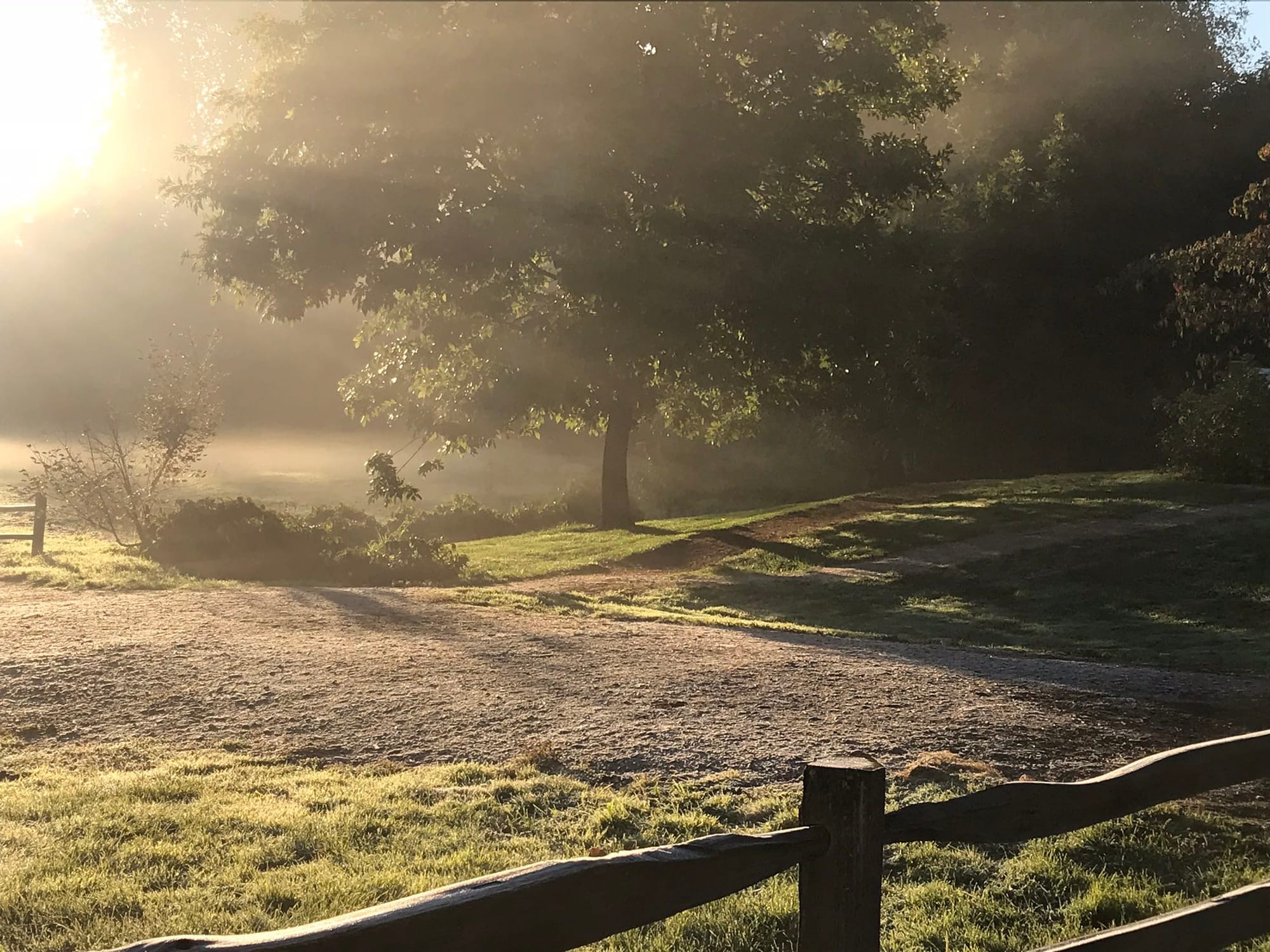
In the final lines of the poem, we turn to "the gentle light that strays and vanishes/and returns." This confidence that the light returns leads to hopefulness. We look for the return of the light and celebrate when it flickers back into sight. Even when it vanishes, we can trust that it will, in time, return.
Remember the moments that have been meaningful to you. What gifts have you received from this mutilated world? What can you do to be part of its healing?
Is there a particular poem, or line from a poem, that helps you to keep a measure of hope in your perspective when you feel the brokenness of the world acutely? If so, we would love for you to share it with us. Send it, along with a short explanation of what it means to you, by April 20th and I will include it in a post compiling what is sent in from our readers. (If you have an image to go along with it, please consider including that as well.)
Feel free to leave a comment below (you can sign in through your email) or contact me directly at louise.conner@circlewood.online. We also encourage you to forward this post an anyone you think might benefit from it.
Louise

The Ecological Disciple is part of Circlewood, an organization committed to "accelerating the greening of faith."

Comments ()