
The Art of Creation: Flipping Gray into Green
The new Dutch sport of tegelwippen brings the fun of friendly competition together with care of the earth.
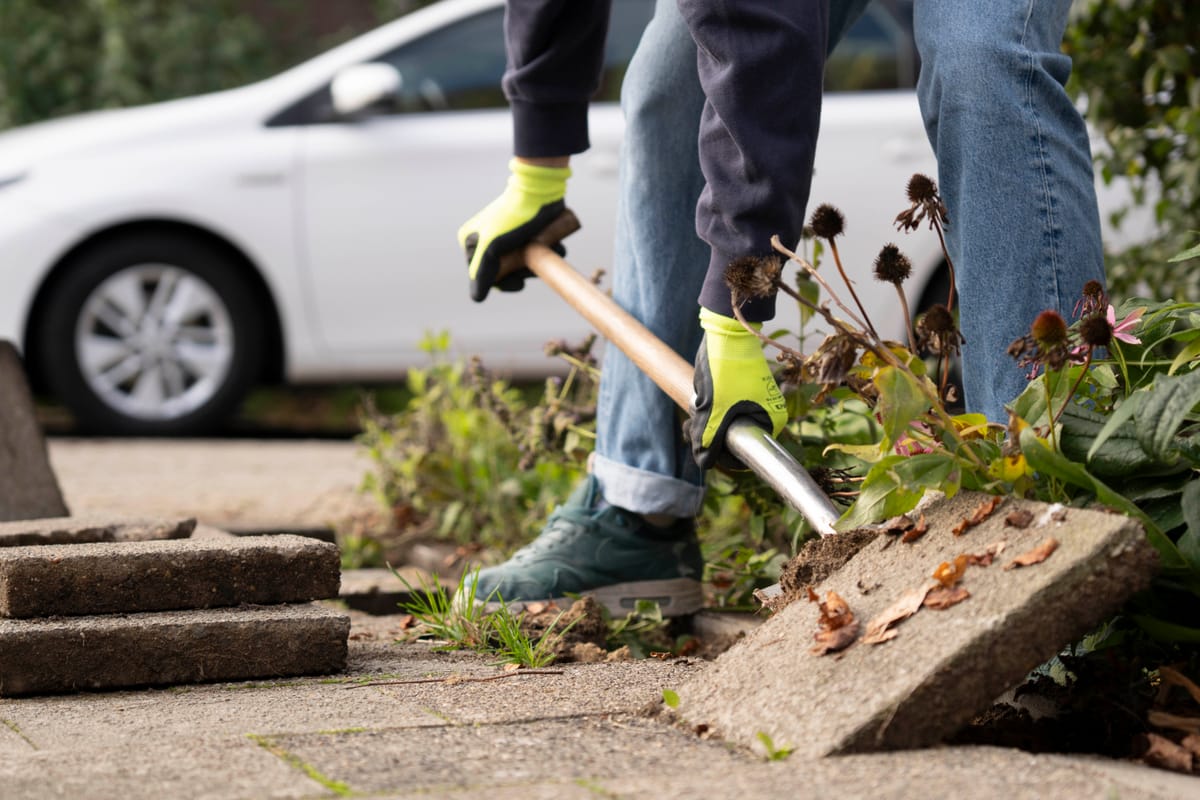
Make room, speed skating and bicycling! Since 2020, there has been a new national sporting competition in the Netherlands—the NK Tegelwippen. The Dutch Tile Flipping Championship was dreamed up during the COVID-19 epidemic when sporting matches were cancelled and people began spending more time outdoors. It was a way to funnel good-natured competitiveness toward efforts to address climate change and livability.
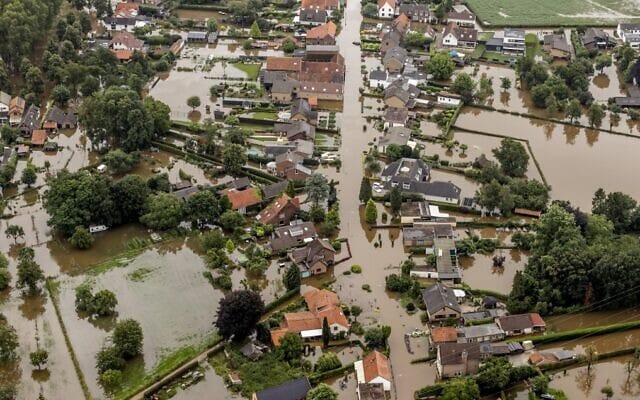
As a wet, lowland country, the Netherlands is particularly vulnerable to flooding and its climate goals are necessarily ambitious. A joint venture of the Frank Lee creative agency and a collective of creators named Dus Wat Gaan Wij Doen? (So What are We Going to Do?), the creation of tegelwippen (flipping tiles) was a way to encourage everyone to take part in making the Netherlands more climate resilient. It also opens up thinking and conversation around important issues on sustainability, climate change, and how we live in the world and what big changes need to be made.
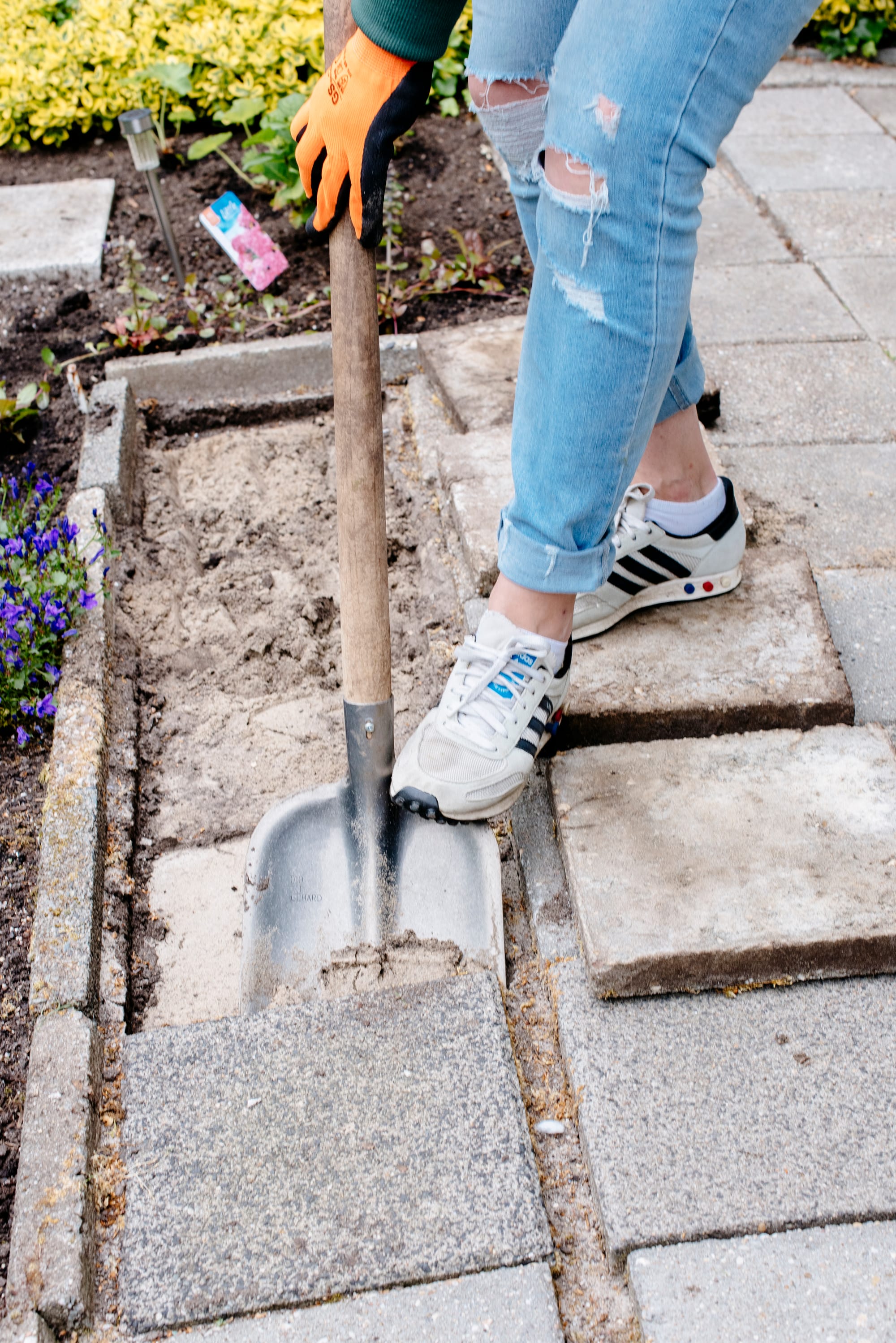
The basics of flipping (or whipping) tiles is this: people dig up the concrete paving stones that are ever-present in Dutch cities and towns and refill the hole with dirt and plants of some sort. The challenge runs annually from March 20 through October 31; people record the number of tiles they flipped along with photos that verify their work on the organization's website. For the competition, each tile needs to be 12 in x 12 in (30cm x 30 cm) or has to be converted into that size when recording tiles flipped. Their total is added into their municipality's running total. With over a third of Dutch gardens at least half-paved (this percentage is two-thirds in the three largest cities), there are many potentially flippable tiles.
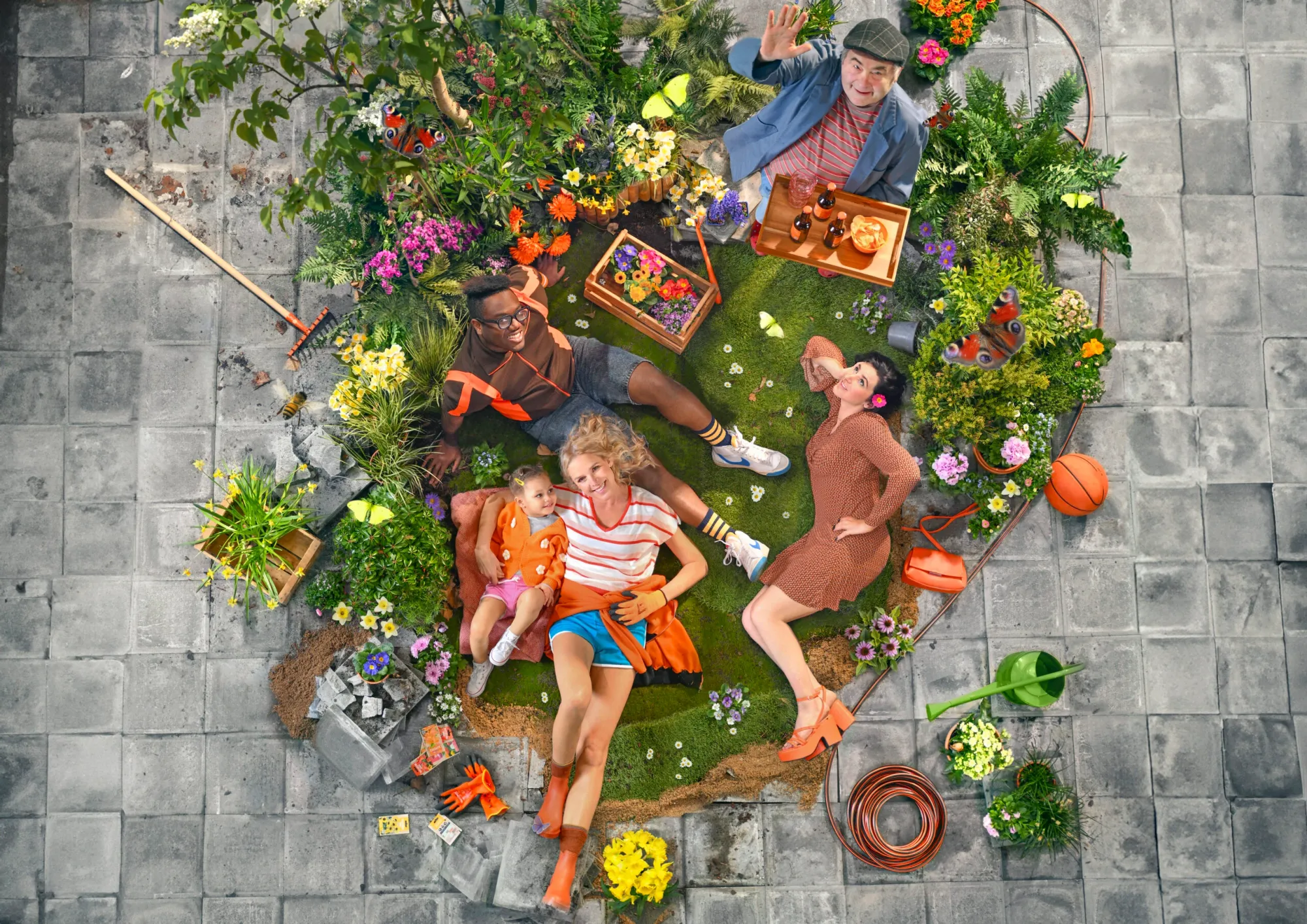
The competition has caught on. What began in 2020 as a competition between two culturally different and traditionally rival cities (Rotterdam and Amsterdam) has spread across the national of the Netherlands and even internationally into Belgium and Germany.
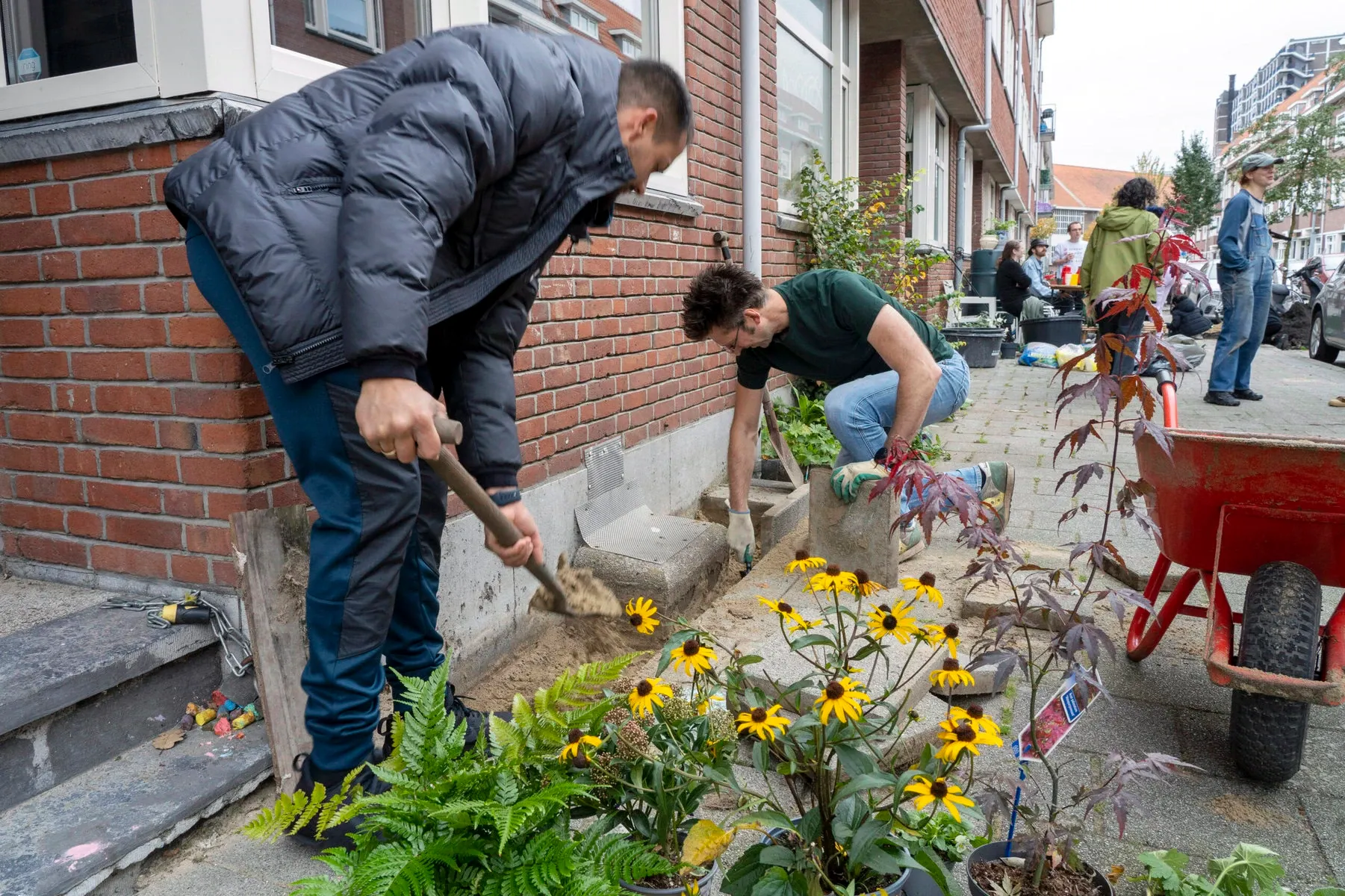
The goal is to make the country more resilient to climate change—and by making it a competition—to add some fun into the mix. But there are other important benefits. Although paving stones are often used for convenience, advocates maintain that green spaces can actually require less work than paving stones if the right plants are chosen. Greenery provides natural cooling in hot weather—the opposite of pavement, which stores heat and raises temperatures in warm weather, like an oven with the door left open. Garden spaces tend to create community gathering spaces, which paved areas are less likely to do. Also, there are strong connections between exposure to green space and good mental and physical health. Modern spaces often ignore that we are made to be connected to the earth, so every little thing that strengthens that connection is a good thing.
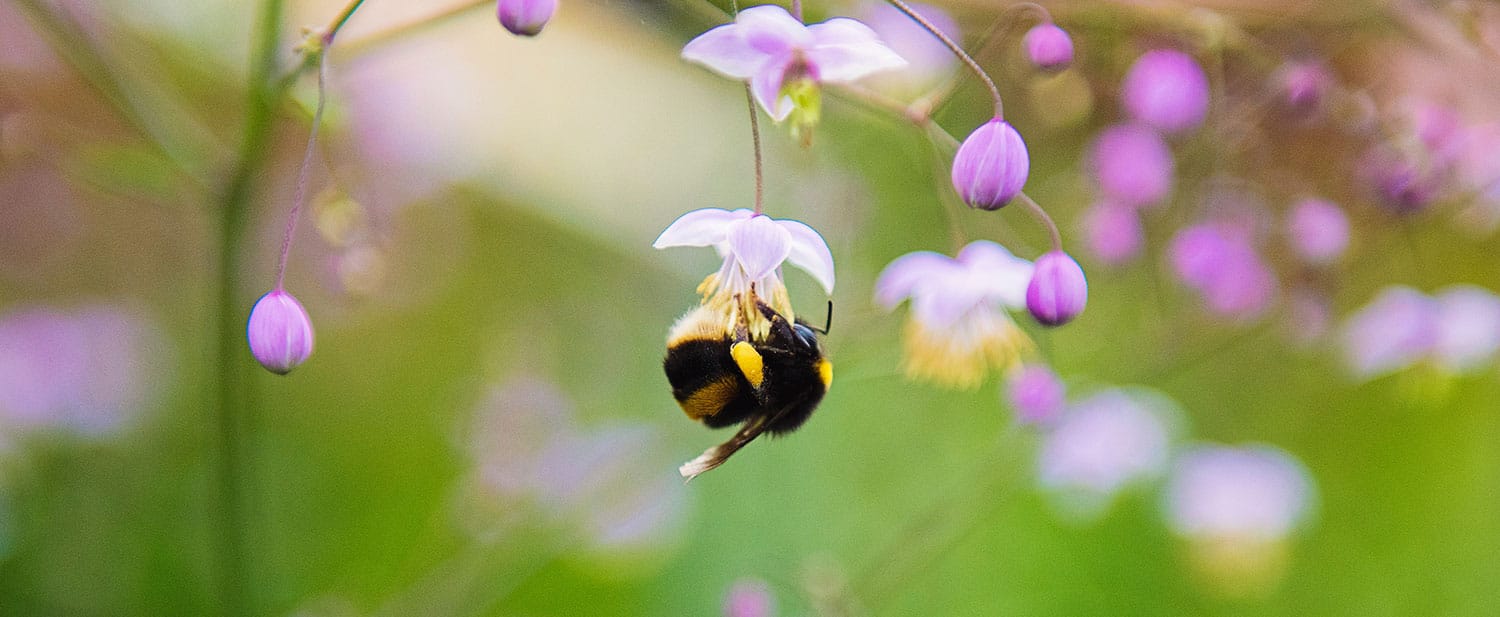
One of the most noticeable and quick-acting results of tile-flipping is the creation of habitat for animals and insects, which move in immediately when spaces providing them with food and shelter are created. One person noted that her facade garden, (a small strip between a house and a sidewalk), became a gathering place for all of the block's pollinators almost immediately after she planted it.
The 100,000 tiles which were removed in 2020 from two cities in the first year of tegelwippen grew to 1.5 million tiles and 40 municipalities in 2021. In the 2025 version, 328 municipalities, or two-thirds of all Dutch municipalities, participated, removing almost six million tiles. Altogether, around 17 million tiles (or the equivalent of 350 football fields) have been replaced with green space since the competition's inception.

Many municipal governments and agencies enthusiastically support the efforts. In many places, people are allowed to create a facade garden in front of their house, often without needing permission. People typically can remove paving slabs up to 20 inches (50 centimeters) away from the wall of their house in order to create green garden space. They cannot intrude onto their neighbor's space and must leave at least five feet (1.5 meters) of pavement for walking.
In addition to facade gardens, people flip tiles in their personal gardens and patios, and team up to remove tiles in paved courtyards, schoolyard areas, and along sidewalks.
Many cities provide "tegeltaxis" which will come and pick up the tiles that have been removed. The tiles are then repurposed as building foundations or put to use in other construction projects. Some cities have staff to assist people in flipping tile if they are physically unable to do it themselves, and some even provide free dirt and plants.
The campaign generates enthusiasm and interest throughout the competition by bestowing multiple awards and honors. The golden shovel is given to the municipality that has the largest total of tiles removed per resident, and tile-tipper awards are awarded for particularly notable accomplishments, often supported with photos or videos that share the project compellingly.
Below are a couple of videos to give a taste of the creativity surrounding the competition. The first, created by NK Tegelwippen, has no English translation, but it is engaging even without translation. The second has subtitles available which can be turned on to fully enjoy the video. It was created by the municipality of Maashorst to encourage participation from residents.
The Dutch are quick to say that tegelwippen isn't the solution to climate change issues in the Netherlands as they have huge structural changes to make. But when mitigating climate change has been the goal of a light-hearted competition involving whole cities, something remarkable has been accomplished. People have been brought together to do something important and hard and had fun in the process. Competing to care for the earth we've been given can only be a good thing.
Feel free to leave a comment below (you can sign in through your email) or contact me directly at louise.conner@circlewood.online.
Louise

Comments ()