Practical Earthkeeping: About Shortcuts
The cost of the shortcut may be larger than you think.
Shortcuts: 1. a route that leads from one place to another and is quicker and more direct than the usual route 2. a quicker way of doing something in order to save time or effort
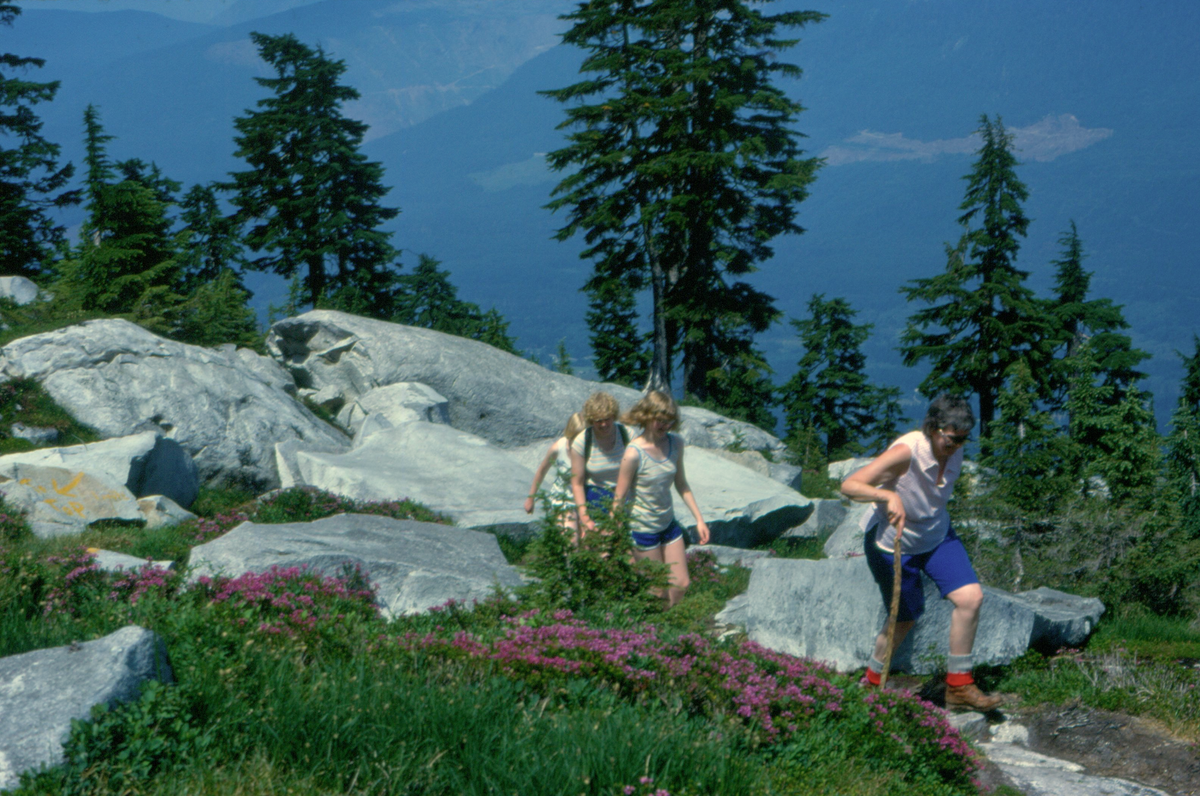
When I was growing up, hiking with my family, one of the worst things one could do, particularly in my father's view, was taking a shortcut. The practical reason for this was that it degraded the ground of and around the shortcut, increasing the problem of erosion, trampling vegetation, and disrupting the nonhuman inhabitants in unnecessary, gratuitous ways.
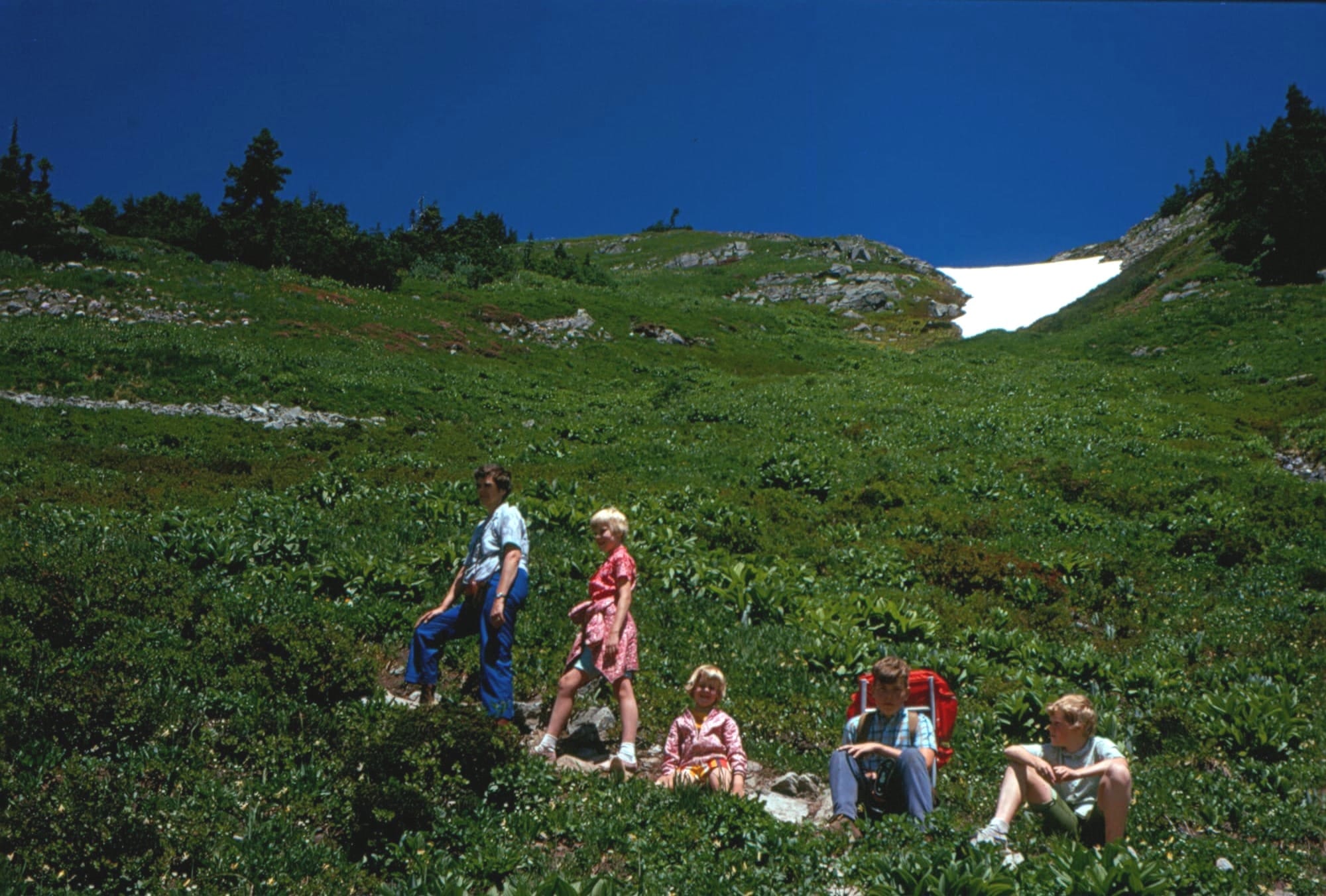
In addition to these practical objections to the shortcut, I was taught shortcuts (which often climbed straight up a hillside to cut off the end of a switchback) reflected a scorn toward the experience of the trail and the landscape. Trampling places the trail builders had chosen not to go was disrespectful to the trail and the journey laid out by the trail. It displayed an impatience that emphasized the end of the trail rather than the complete experience of the hike.
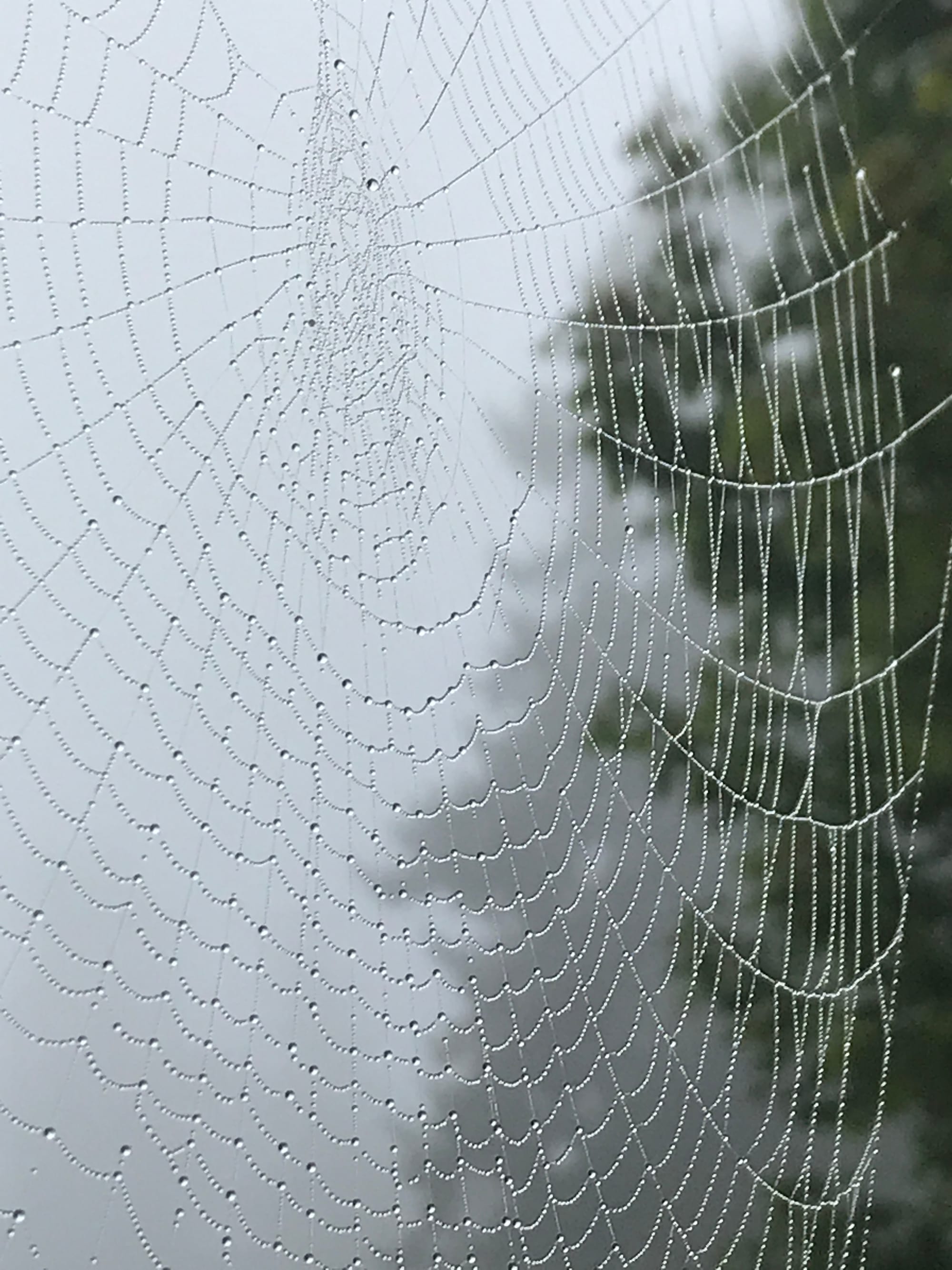
By taking shortcuts, you missed out on whatever was along the trail you cut—wildflowers, animals, trees, fungi, streams—with a changed experience as a result. This was a type of sacrilege, for although the “destination” of the trail was an important aspect of the experience, each step along the way added value to the experience; the hike wasn't just the about the end of the trail. To denigrate the trail and the whole experience was less than the mountain or meadow or wetland or shoreline merited. If you didn't have time enough to hike a particular trail in the right way, then you should choose a different trail.
All to say, I have a deep-seated distrust of the shortcut. But our time and culture are infatuated with it. The idea of efficiency trains us to equate our time so closely to money that automatically calculating the time needed to perform a task and translating that into a version of value is our go-to way of determining whether something is worth doing. A shortcut that enables us to get to somewhere quicker is almost always the preferred way.
We typically only think about short-term, narrow values when we approach the shortcut with this perspective. The trail up the hill takes less time; therefore it is better. If I am paid $25 an hour and it takes me two hours to do a task that has minimal or no offsetting billable value, it is obviously not worth my time. But this oversimplifies the cost of the shortcut and the value of the long route.
Recently at my church, we have been trying to "make room" by getting rid of stuff we no longer have a use for in order to make room for new things, people, ministry, etc. There are different ways to approach this. There's the "just do it" approach of tossing everything indiscriminately into the dumpster so we are free from the responsibility and weight of those things. But some of what is useless to us might be useful to someone else as is, or as raw material for something else. By sorting through things more carefully, we are choosing to take a longer route by trying to find new places for old belongings (even if that is the recycling bin).
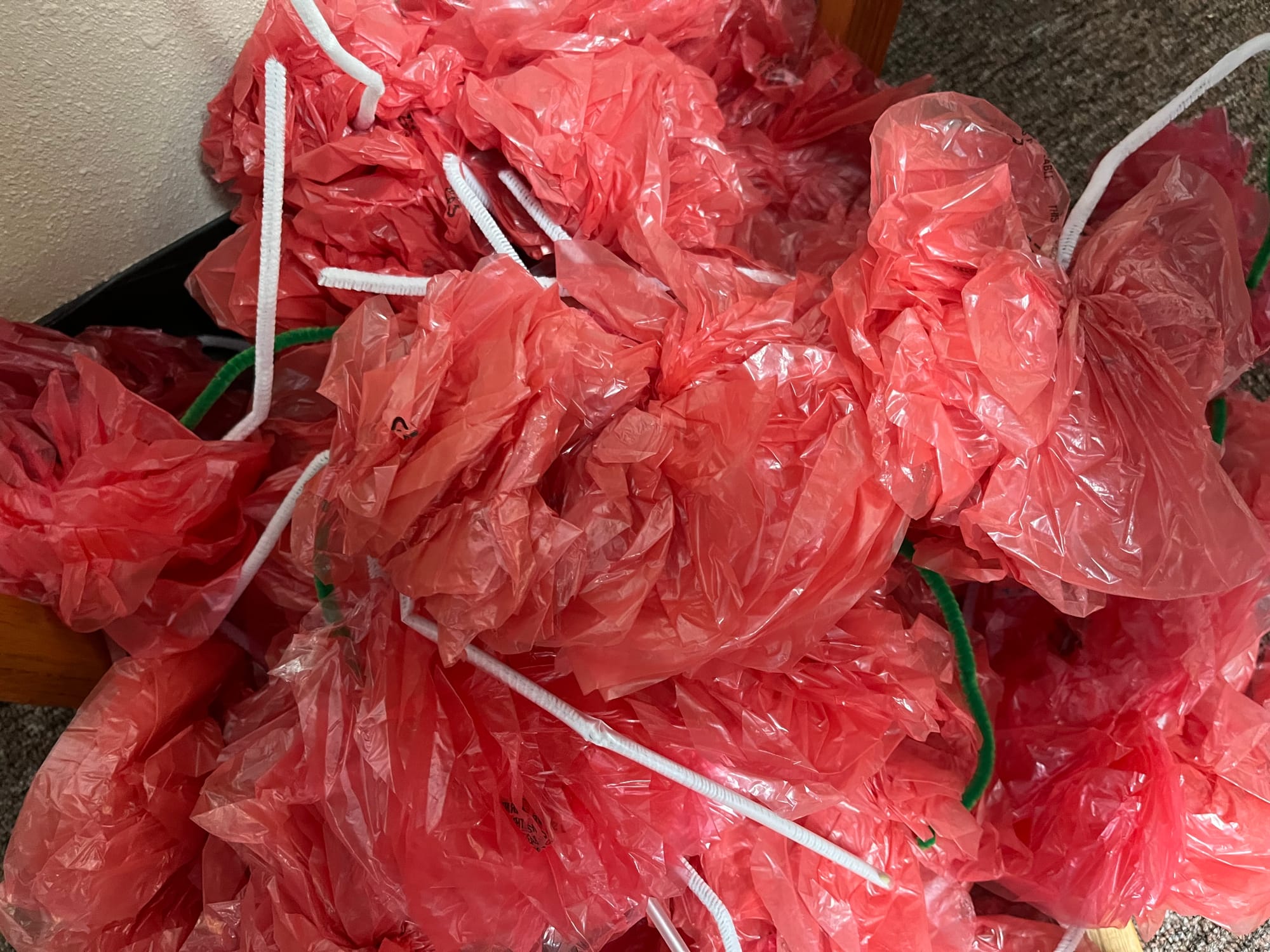
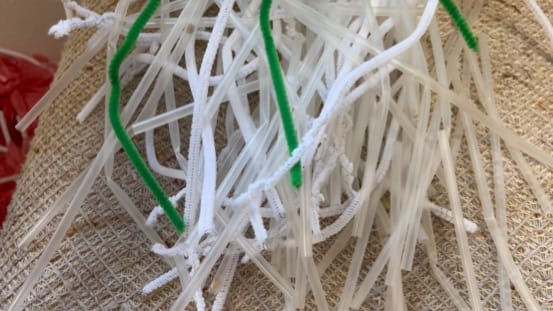
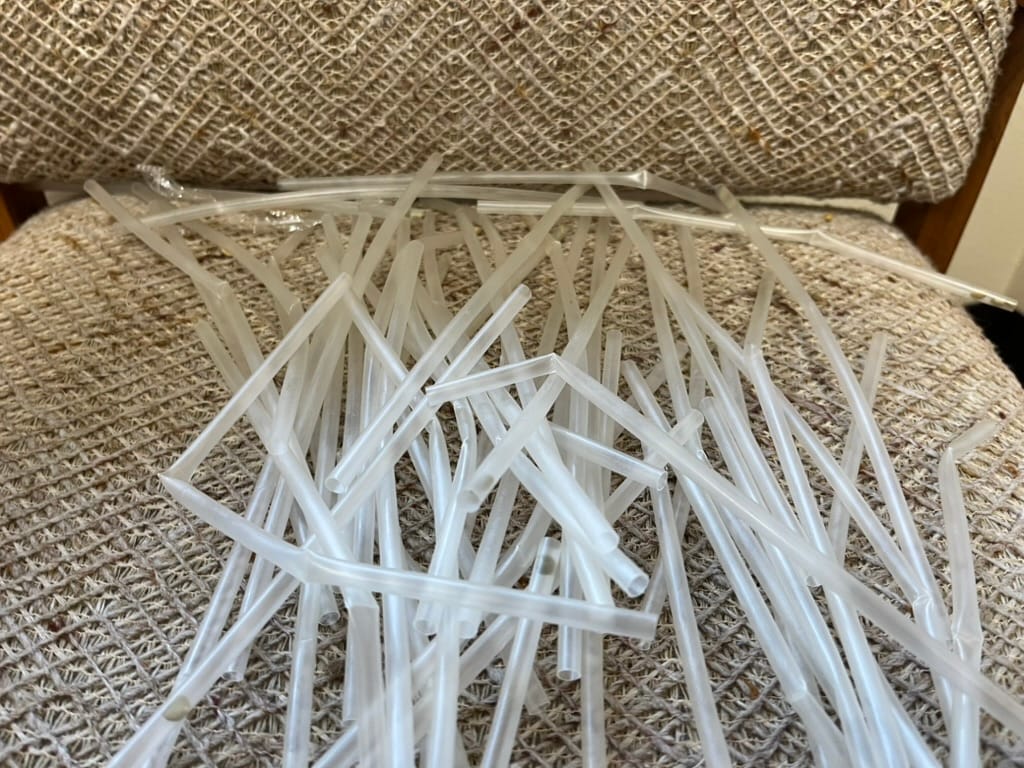
I recently came across two boxes of homemade centerpieces, each formed by wrapping a pipe cleaner around several pieces of red plastic film and stuffing the pipe cleaner inside a straw to make a plastic "flower." The quickest thing would have been to toss the boxes straight into the garbage. But a specialty recycler comes to my house, so I knew I could recycle the plastic and, from working in the kids program, I knew the pipe cleaners could be reused in children's crafts, so only the plastic straws were unavoidably trash.
I took apart the pieces. With new pipe cleaners costing around $5, how could I justify my use of time in this way? For sure, not by using a narrow view of efficiency. But by accounting for other costs such as the time it takes for the earth to break down plastic (20-500 years and it never really decomposes; it just breaks into smaller pieces) and the box of pipe cleaners that wouldn't have to be produced for our use, the equation looks less unbalanced. These are the sort of costs we don't take into account when we register only the cost listed on a price tag. But the true costs of taking the shortcut or taking the long route should also add up other costs, such as the cost to the earth.
When we throw something into the landfill that doesn't need to go there, we are valuing our time over the benefit of finding a more appropriate next use for it. For instance, a polyester shirt takes 50 years to decompose. A glass bottle takes 1,000,000 years. We typically put a very high value on our own time and a very low value on the cost to the earth's health.
This can also been seen in other areas, such as pesticide usage. When we are eager to avoid long hours of labor and accomplish something quickly, we may decide a quick spray that takes 30 seconds of our time is the way to go. But we need to look at the larger costs associated with this choice. What does that pesticide do to the overall health of the ecosystem, including but not exclusively human life, aquatic life, microscopic life? Let's look at all of this before we push the spray button of our expedient shortcut solution.
In the Bible, Proverbs 14:12 says "There is a way that seems right to a man, but its end is the way of death."
In our overabundant culture, it is easy to devalue what was once purchased as essential. It is common to weigh everything in terms of the value of our time, ignoring other values that are less calculable such as costs and benefits that require us to take a longer and wider and deeper vision, that require us to step back and see the entire journey instead of the expediency of the shortcut right in front of us.
When we are doing a task—whether it is cleaning out a church building or pulling out blackberries—and we come across a potential shortcut, it's important to stop and ask ourselves a couple of questions. Does the shortcut we are considering have repercussions we haven't considered? Would we degrade something valuable if we took this shortcut? Have we lost sight of the journey in our rush to gain the summit?
I would love to hear your thoughts in response to this. Feel free to leave a comment below (you can sign in through your email) or contact me directly at louise.conner@circlewood.online. We also encourage you to share this piece with your friends using the share button on the email we send out or on the post's webpage.
Louise
IF YOU LIKED THIS, HERE'S ANOTHER TO TRY...
 James Amadon, Editor
TO LEARN ABOUT OUR PARENT ORGANIZATION, GO HERE...


The Ecological Disciple is part of Circlewood, an organization committed to "accelerating the greening of humanity."
Comments ()