
Practical Earthkeeping: Hospitality Toward Nature
October 30, 2025 - Noah Guthrie, a regular contributor to The Ecological Disciple, reflects on his recent time in Peru and what he learned about hospitality. By Noah Guthrie
Among the Machiguenga, an indigenous nation of the Peruvian Amazon, they tell the story of the pitiro – the cricket.
In ancient times, they say, there was an old woman recently widowed, whose husband’s death forced her to move in with her two daughters. Her daughters shared a husband, and the husband was cruel, forcing his bereaved mother-in-law to live apart from them in a separate house. He gave her nothing to eat, and his wives followed suit, forcing the widow to scavenge the palm husks they threw away. The widow cooked the husks with garlic and ate them in her hovel, alone.
But a family of pitiros lived in the old woman’s roof. One night, one of these pitiros came down and knocked on her door. When she opened it, he greeted her with a, “Mother, how are you?” Then, he offered to catch her some food. The widow lent him a bag to gather with, and when he returned with some freshly-caught fish, she invited him inside. They ate together.
Reflecting on this story – which I heard from a Machiguenga woman during my recent stay in the Amazon – I’m struck, on one hand, by the stinginess of the widow’s children, and on the other, by the hospitality of a stranger: this pitiro, who chose to call the widow “Mother.”
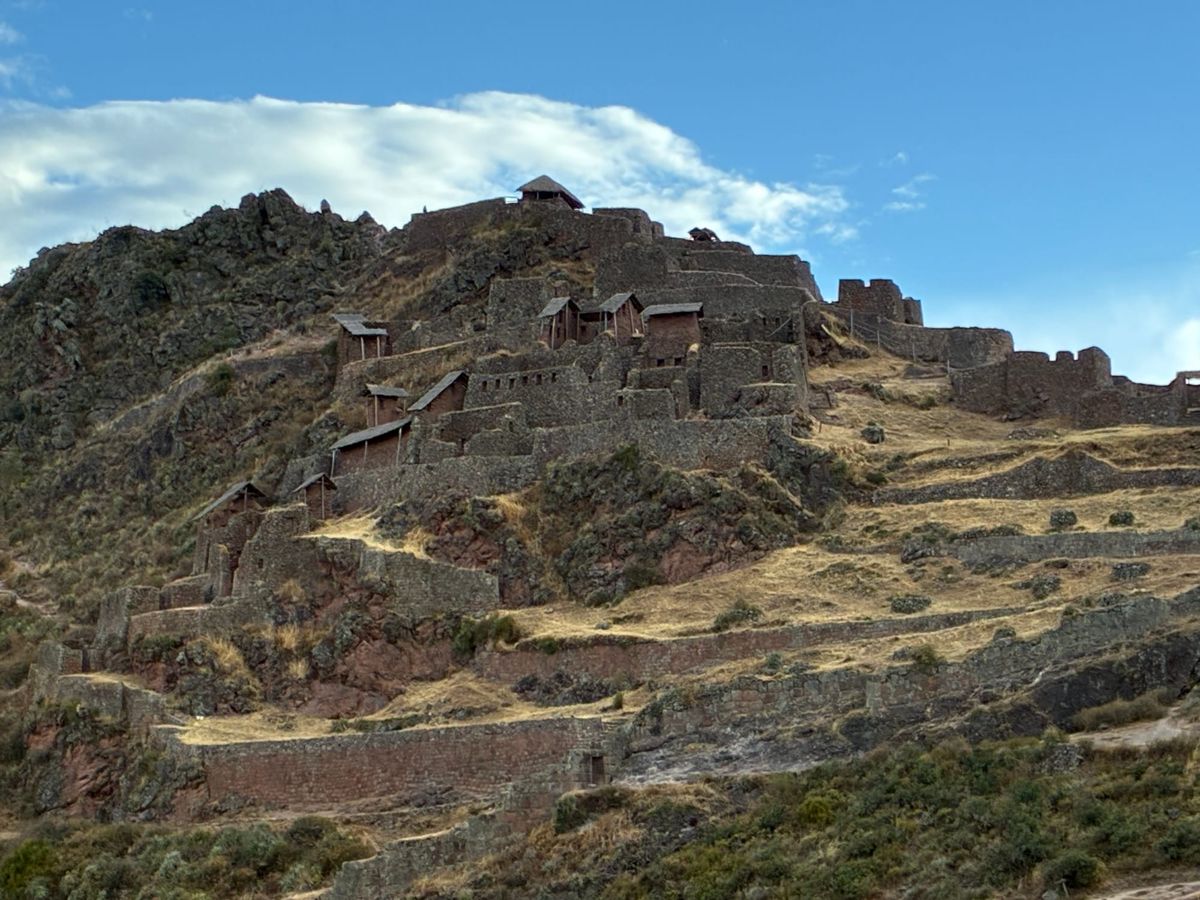
I received a lot of hospitality from strangers during my time in Peru. While in Lima, I met a taxi driver who went out of his way not only to drive me to and from the airport four times, but to offer me his friendship, as well as his advice on how to not get robbed. In Cusco, I stayed with a couple who served me yerba mate (a tea with a long indigenous history), gave me advice on how to find ATMs where I could withdraw Peruvian soles, and lent me an extra blanket for the chilly Andean nights.
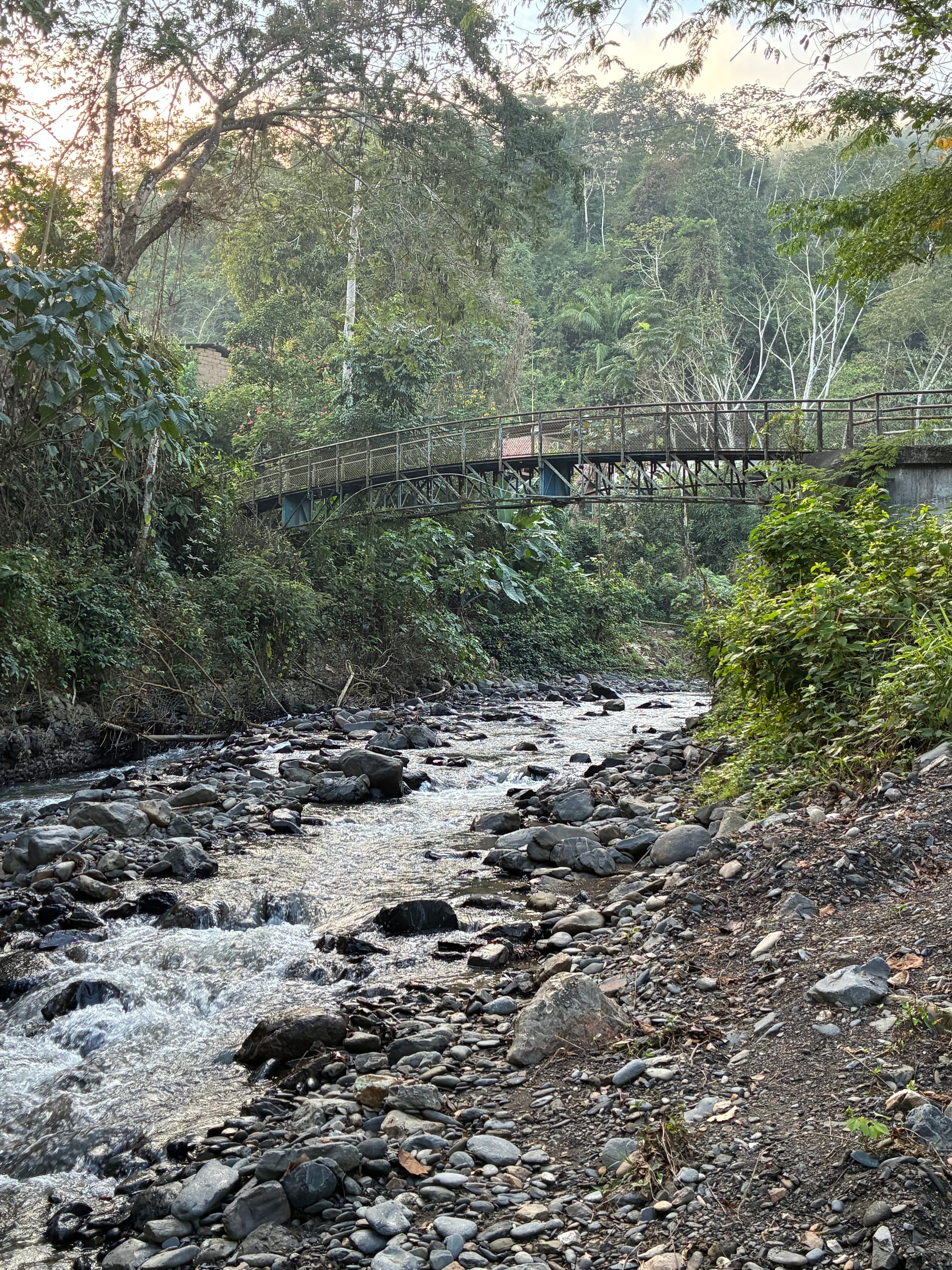
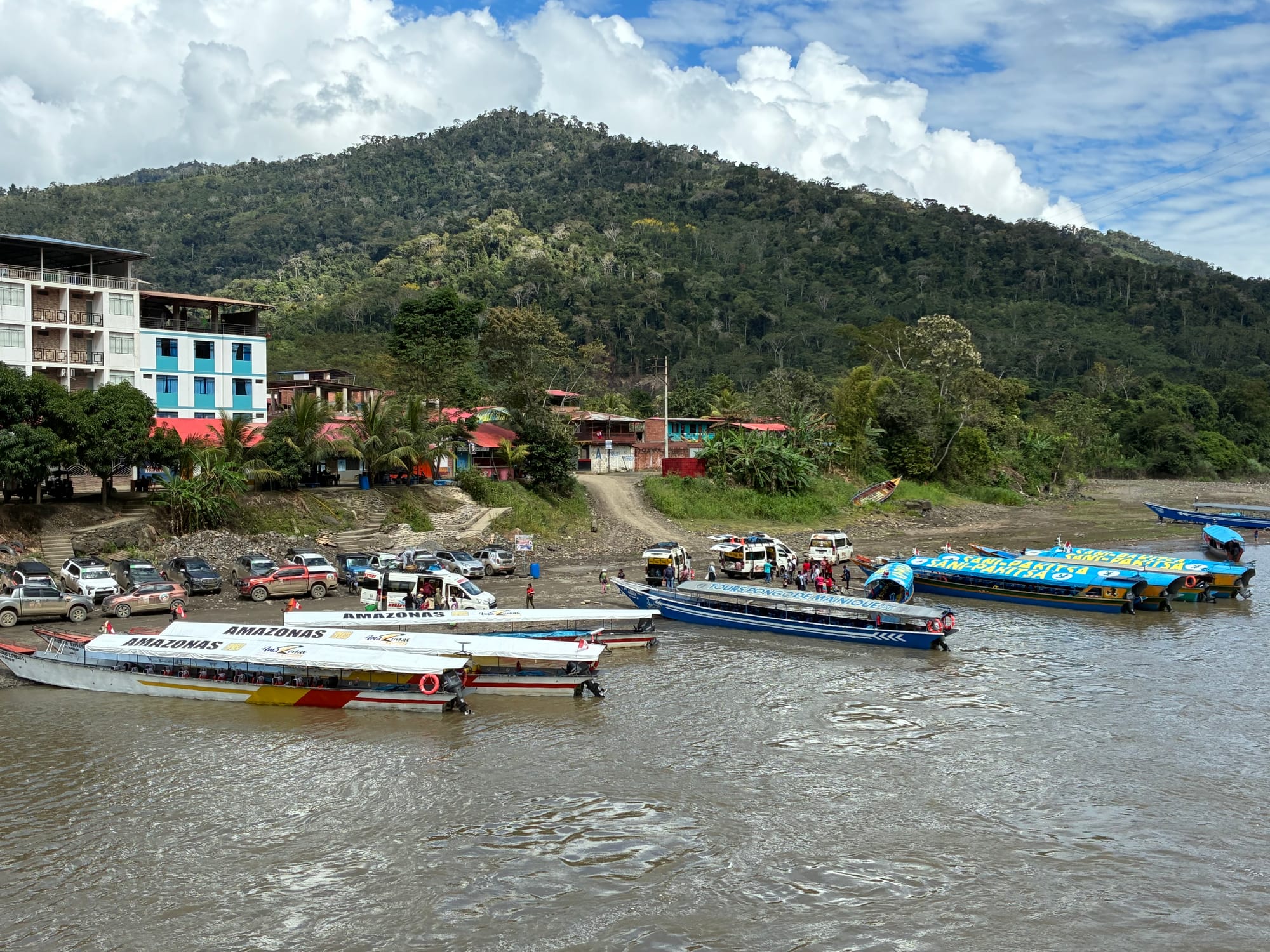
Most of my five-week trip, though, took place in the small riverside town of Ivochote. I lived in a hostel there, just down the hall from the coordinator of A Rocha Peru’s Amazon Project, Ciro Flores. Ivochote was a lot for me to adapt to, with its dirt roads, chickens, and sweltering heat, but Ciro helped me gain my bearings. He offered guidance as I navigated the shops and relentless sun, and he generally made sure I didn’t starve. Even if I wasn’t staying at a house of his, he was as much a “host” to me as those I stayed with in Lima and Cusco.
I’ve been describing myself as a “guest” in Peru, but my official role was that of a volunteer. I was there to support the Amazon Project, which has two main goals: to preserve the ecological heritage of the Machiguenga nation, and to preserve their cultural heritage.
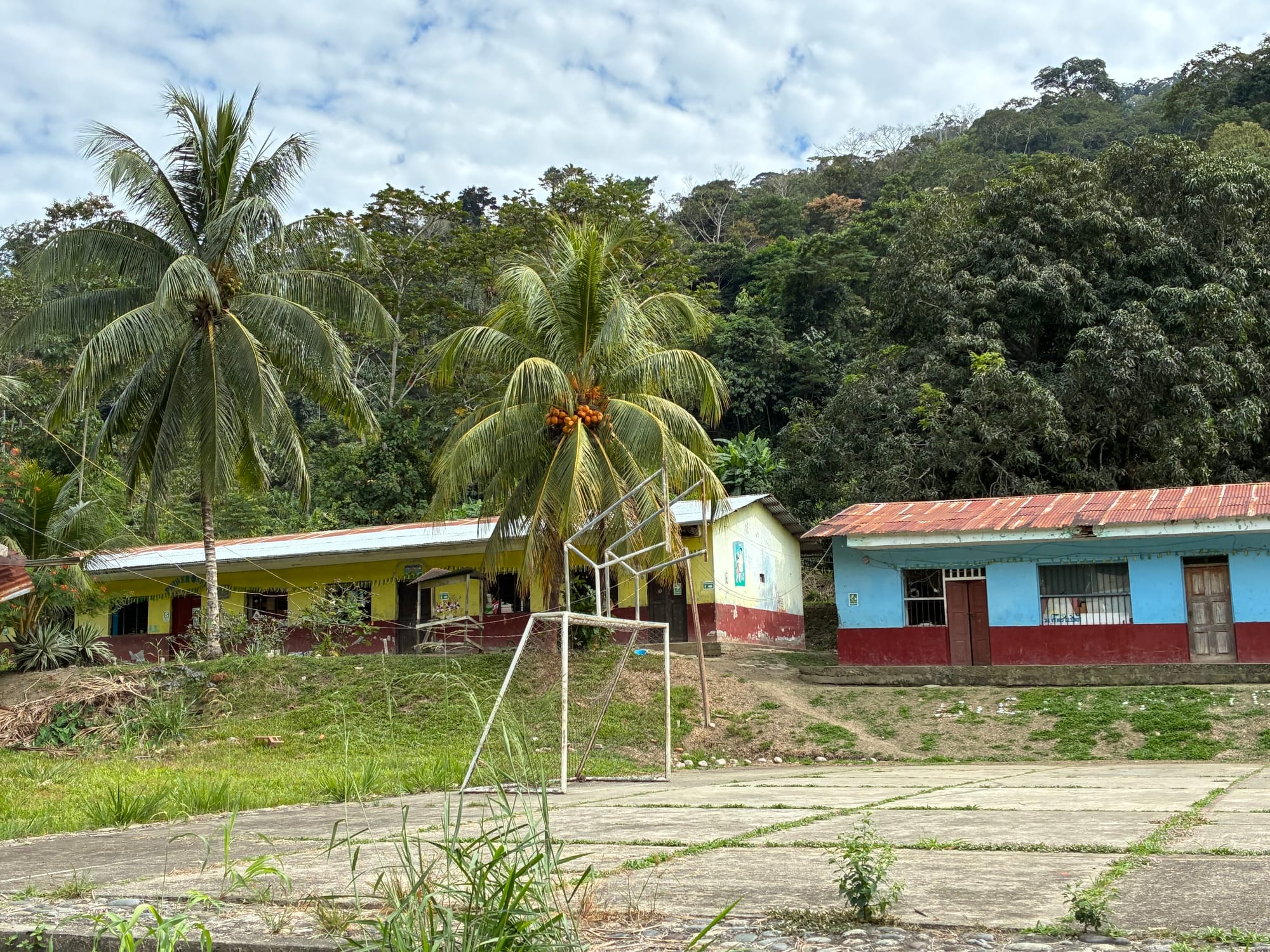
When it came to ecology, I helped Ciro to plant, organize, and water native seeds in a small greenhouse. This greenhouse was a simple structure, consisting of green mesh wrapped around wooden posts, and it stood by one of the two Machiguenga schools where A Rocha Peru leads environmental education sessions.
Nonetheless, most of my work focused on cultural preservation. Ciro tasked me with interviewing members of the Machiguenga community – based in Monte Carmelo, a forested area across the river from Ivochote – about their ancestral legends and traditional ecological knowledge. Unfortunately, some of this cultural knowledge is being forgotten by the younger generations of Monte Carmelo, a loss that their elders mourn.
In light of this, A Rocha Peru’s goal is to put these local stories and insights in written form, then share them with the broader Machiguenga community. To help make the stories more accessible for their kids, I also drafted children’s versions of three Machiguenga legends, the original versions of which I learned from Monte Carmelo’s elders.
One of these stories is that of the pitiro – though I heard of it as el grillo, since my interviewee spoke to me in Spanish. It’s the only legend that I’ll share in this article, partly because a version of the same story, shared by the same interviewee, has already been published by Nova Print S.A.C.
Though my sense is that this legend’s creators probably intended to emphasize the hospitality of the pitiro toward the old widow, I also find myself admiring the hospitality of the widow toward the cricket. How many people, upon hearing an insect refer to them as “Mother,” would accept them as kin? How many people would invite the crook-legged creature into their home, so they could eat together? Through this invitation, the widow not only crosses the boundary between friend and stranger, but the boundary between species.
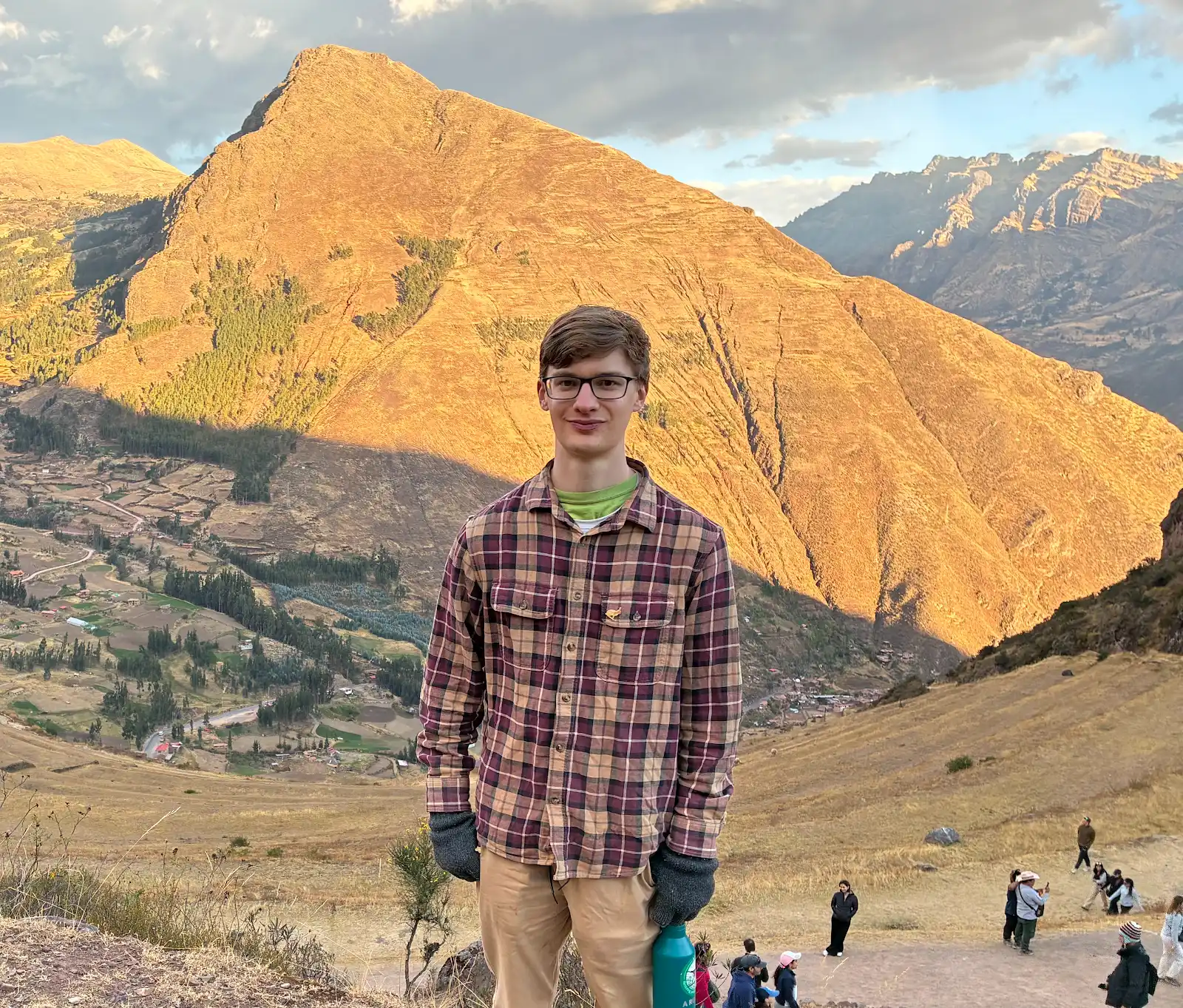
As a stranger in the Amazon, I faced a similar question: would I embrace this new land, or hold it at arm’s length? Heat scorched my neck, bristles cut my arms, wasps shot by like bullets, and ants erupted underfoot, the latter so huge I thought I could hear their pincers clicking as they marched. Was I brave enough – was I loving enough – to experience all this, and say, along with the Creator, “It is good”?
I’m not suggesting we should treat all of nature’s strife and conflict as though it’s totally “good,” or exactly as God intended it to be. We do live in a broken world, where human sin has raised “thorns and thistles” from the ground (Gen. 3:17-18). Yet, just as we can show hospitality to broken humans, so we can show hospitality to nature, basing its acceptance not on how pleasant or comfortable it is, but on the goodness of its very existence.
No one does a perfect job of this, but I tried to love the Amazon well during my time there. I made a habit of praying on an upper floor of my hostel, open to the air, where I watched fog prowl the verdant mountains. I rescued many of the monstrous local snails from being crushed under Ciro's and my tools. When the sun cudgeled Ivochote’s dirt roads, I just put on my touristy sun-hat and tried to remind myself that I preferred the heat to winter’s cold. As much as I could, I tried to admire the Amazon for what it was, rather than disdain it for what it wasn’t.
I hope to practice that kind of hospitality even now, back in my home in Nashville, Tennessee. I don’t encounter too many crickets, but there are turkeys, wrens, foxes, and lots of fireflies. If even a mosquito should approach me, greeting me with a, “Brother, how are you?” may I be generous enough to reply (perhaps with a gentler swat of my hand than usual), “I am well, Sister. How are you?”
Thanks for reading my piece! - Noah
If you have any thoughts you’d like to share about this post feel free to email me at “noah.guthrie@arocha.org” or comment below. You can read my other pieces I have written for The Ecological Disciple here.
For any who feel led to give, most of the funding for my role with A Rocha USA comes from my personal fundraising efforts. You can find my fundraising page at the following link: https://arocha.us/guthrie.
IF YOU LIKED THIS, HERE'S ANOTHER TO TRY...
 Louise Conner, Editor
TO LEARN ABOUT OUR PARENT ORGANIZATION, GO HERE...


The Ecological Disciple is part of Circlewood, an organization committed to "accelerating the greening of humanity."
Comments ()