The Way Forward: The Land Remembers
Even when society does not remember these ancient land relationships, the land remembers, the land is a witness. How will the land remember you?
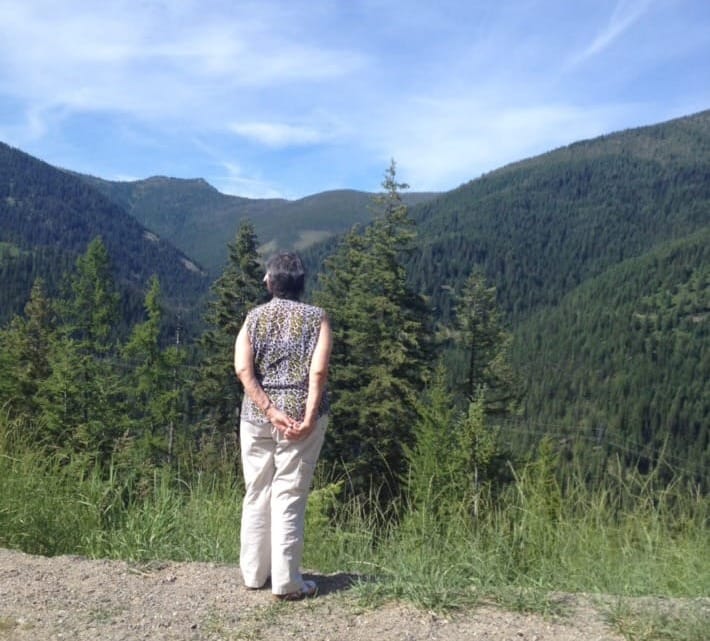
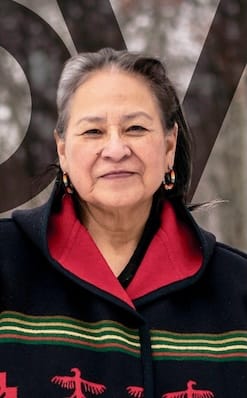
Today we are pleased to share this piece from one of our regular contributing writers. Lenore Three Stars (Oglala Lakota) retired from a satisfying federal civil rights career in Seattle and moved across Washington state to be with her grandchildren. She began a journey to decolonize her theology as she earned an MA from the North American Institute of Indigenous Theological Studies through Portland Seminary/George Fox University in Oregon.
Lenore speaks, writes and teaches from a Native perspective, and she serves on boards related to her interests in indigenous issues, justice, and creation care (including Circlewood, this journal's parent organization). One of her favorite roles is co-leader with Edith Woodley (Eloheh.org) for their cohort “Decolonize with Badass Indigenous Grandmas.” Learn more about her at www.lenorethreestars.com.
Greetings Mitakuyapi, my relatives. I hope to introduce myself in a way that helps you understand the context of my writing.
Wicahpi Yamni emaciapi. My name is Lenore Three Stars and I'm Oglala Lakota, which is one of the seven bands of the Lakota that make up the Teton division of the Oceti Sakowin. The Oceti Sakowin is the Seven Council Fires, also known as the Great Sioux Nation, and it includes our Lakota, Nakota, and Dakota-speaking relatives.
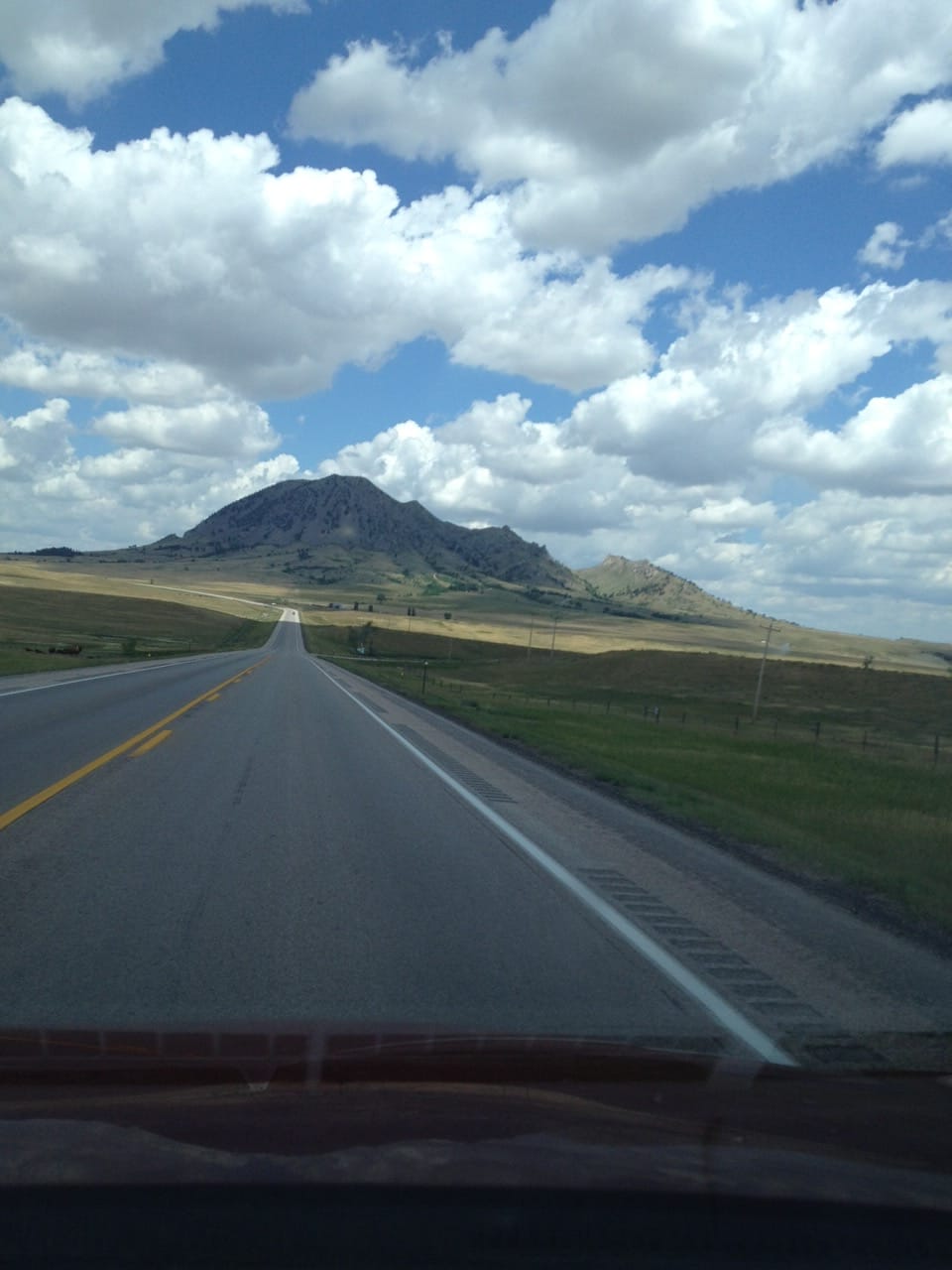
My father was Oglala Lakota, born on the Pine Ridge Reservation, where I was also born. My mother is Mnicoujou Lakota, another of the seven Lakota bands, from the Cheyenne River Reservation also in South Dakota. Our ancestral lands include Paha Sapa, the Black Hills, a sacred land where our creation stories live.
Taking time to introduce myself in terms of kinship is important because in Lakota culture, the tiospaye, the family system, is foundational. It helps us practice relationships of respect and responsibility, which was a significant strength through a harsh history of genocide, colonization and assimilation.
When other Natives ask me, "where are you from?" what they're really asking is, "who are your people?" My answer also tells them how I’m connected to the land, which is an integral part of Native identity. The land actually grounds me because I belong some place.
When I’m speaking, I include a bit of indigenous protocol that is often called a land acknowledgment. I honor the original hosts of the land for their ancient reciprocal relationship with the land, which includes the waters, creatures and plants. The reciprocity is expressed when, after having received all the land offers, the people refrain from taking from creation without giving something back and they don’t take more than they need. Even when society does not remember these ancient land relationships, the land remembers, the land is a witness. How will the land remember you?
I would like the land to remember us as good relatives. I offer two thoughts to help us bridge cultures. One thought relates to worldviews and the other to a theology of the land.
Worldview
Worldviews are important and we all have worldviews that help us make sense of our place in the world. When I addressed you as mitakuyapi, “my relatives,” I was representing an indigenous worldview. In Lakota, our worldview, or way of life, is Mitakuye Oyasin, which translates to "all my relations," and it means that we are all related. We are related to Creator, to each other, and to all parts of creation, human and nonhuman. In this way of life, we do all we can to be a good relative and live in right relationship. If right relationship between relatives is broken, a good relative will take steps to find balance and restore harmony. When we call all parts of creation our relatives, we draw respect into the relationship.
For instance, we can easily see that humankind is out of right relationship with the natural world. Our out-of-balance ways have created a perfect storm for climate change. I find hope that many of us are finding ways to restore right relationship with creation. Circlewood is a prime example.
Jesus’ teachings reflected an ancient Semitic worldview that all creation is sacred. Psalm 24 says: "The earth is the Lord's and all that is in it."
In Job 12, we see that humankind has a direct relationship with the land and all creation. Creator said to Job, “But ask the animals, and they will teach you, or the birds in the sky, and they will tell you; or speak to the earth, and it will teach you.” In Indigenous thinking, creation was our first teacher.
Seneca theologian and author John Mohawk taught that when our ancestors first began living in a certain place, they were the first people. There were no humans to teach them how to live in that place, so they learned from creation around them, from observing how our creature relatives lived there. The ways they taught, sang, ate, protected, and played were instructive. Dreams came to us so we could learn which rooted relatives, the plants, were medicine. Mohawk said that what the people learned in this manner is what became known as culture. As we imagine and learn better ways to live with the land, we develop new culture.
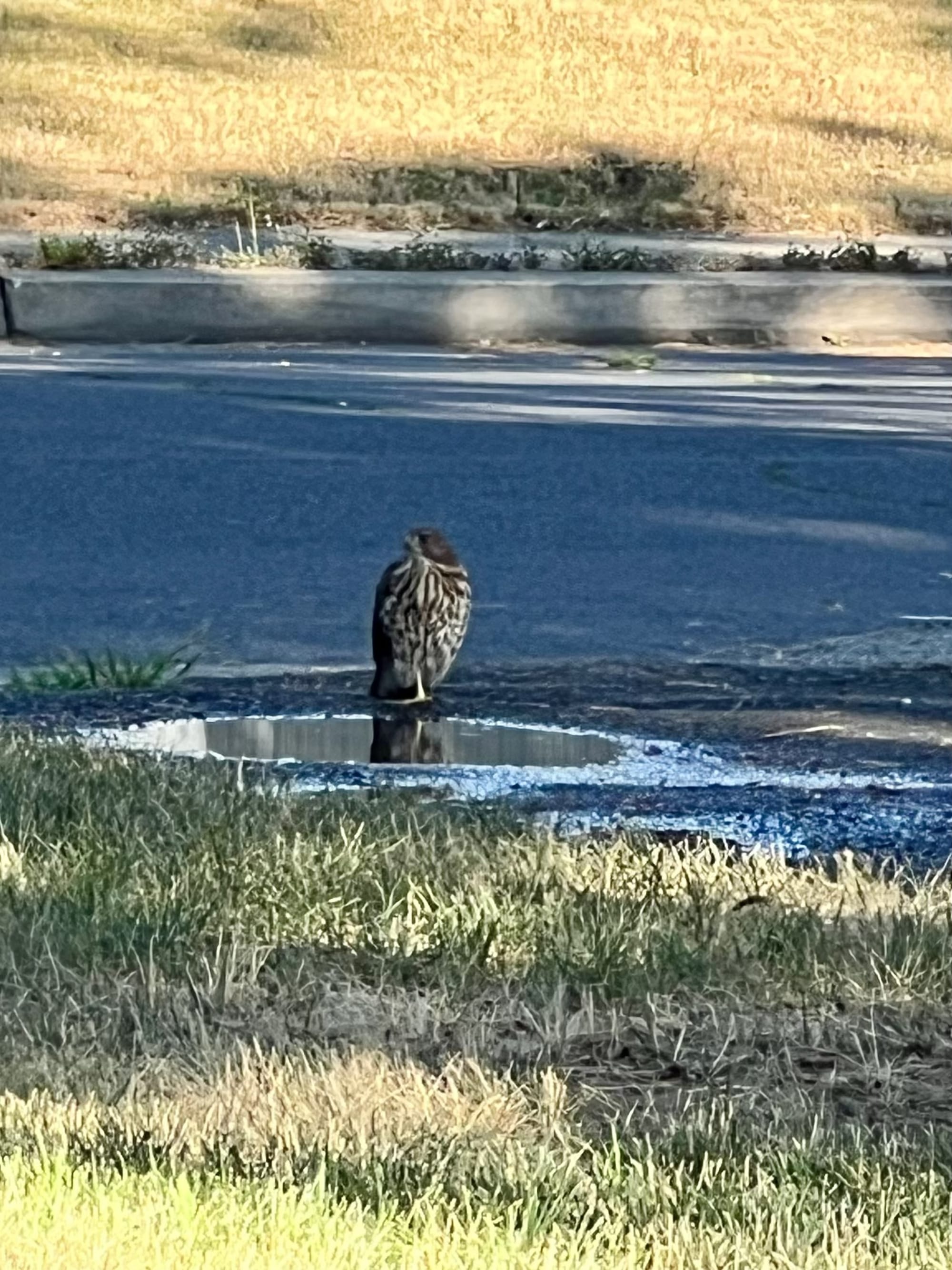
So, in a relational worldview like Mitakuye Oyasin, how did we all become related? A Lakota creation story says that the spirit of creation made all creation bit by bit, using its blood until it was all used up. Since all human and nonhuman creation was made from the same source, that’s what made us relatives. As a Lakota, I consider myself related to all parts of creation, including the stars.
Scripturally, Genesis 9:10 tells us that God established a covenant with man and every living creature on earth. Romans 8 tells us that the Spirit of God brought about our adoption as children of God, and that all creation groans in expectation of restoration and healing right alongside humankind. It sounds like we're related.
Theology of the Land
In a relational worldview, Indigenous peoples have long held a theology of the land that western culture doesn’t teach. In Lakota, earth is called Ina Maka, Mother Earth, or Unci Maka, Grandmother Earth. Both are kinship terms of deep respect and relationship because we are related. Personally, I like the kinship term Unci because that’s what my takojas, grandkids, call me.
Just as land is a biblical theme, Indigenous people are deeply connected to their ancestral lands – they belong to each other. Each Native creation story places the people in a particular geographical location, which is their spiritual connection to place with a responsibility to the land. It is not portable. This sense of place is common to Native identity.
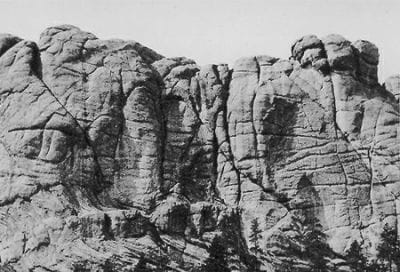
The Genesis creation accounts in 1 and 2 say that Adam was created from adamah, the dust of the land, and that Creator breathed life into him. This sense of “living land,” speaks to our humble origins as created beings. The same Hebrew term used for man when Creator breathed life into him is also used for the other creatures that Creator breathed life into. The term means “living creature” designed to derive sustenance from the land, referring to our scriptural land relationship. Our connection to the land is meant to be deep and meant to be sacred.
All creation is infused with the Spirit that created it with love. Immanuel; look around, it’s a visual. Creator is constantly with us. As good relatives, we work where Spirit works. New life becomes possible wherever the power of Creator God is unloosed and the land remembers.
Lenore Three Stars
The Ecological Disciple is part of Circlewood, an organization committed to "accelerating the greening of faith."


Comments ()