The Way Forward: Mitakuye Oyasin—A Worldview
A story from the Lakota helps us see how small practices move us toward a more respectful and balanced relationship with all members of this diverse creation.

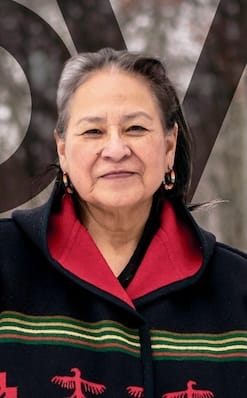
Today we share a piece from Lenore Three Stars (Oglala Lakota), one of our regular contributing writers. You can find a short bio and her writing for The Ecological Disciple here on her author's page. You can also visit her webpage at www.lenorethreestars.com.
Ehanna, a long time ago, Ina Maka, Mother Earth, had to cleanse herself again, like a dog getting rid of fleas. This was caused by the huhu nunpa, the two-leggeds.
Ina Maka had to start over because the huhu nunpa were greedy, taking without asking, hating and killing each other. Ina Maka said, “This is not how they were intended to live. They abuse the gift that Creator gave them, which is the will to live in harmony with others. They use this gift of will every day without understanding its power, and they abuse it. The dragonfly does not wake up and say, 'I don’t feel like flying.' The birds do not say, 'I decided not to sing today.' No, they live as intended, in right relationship."
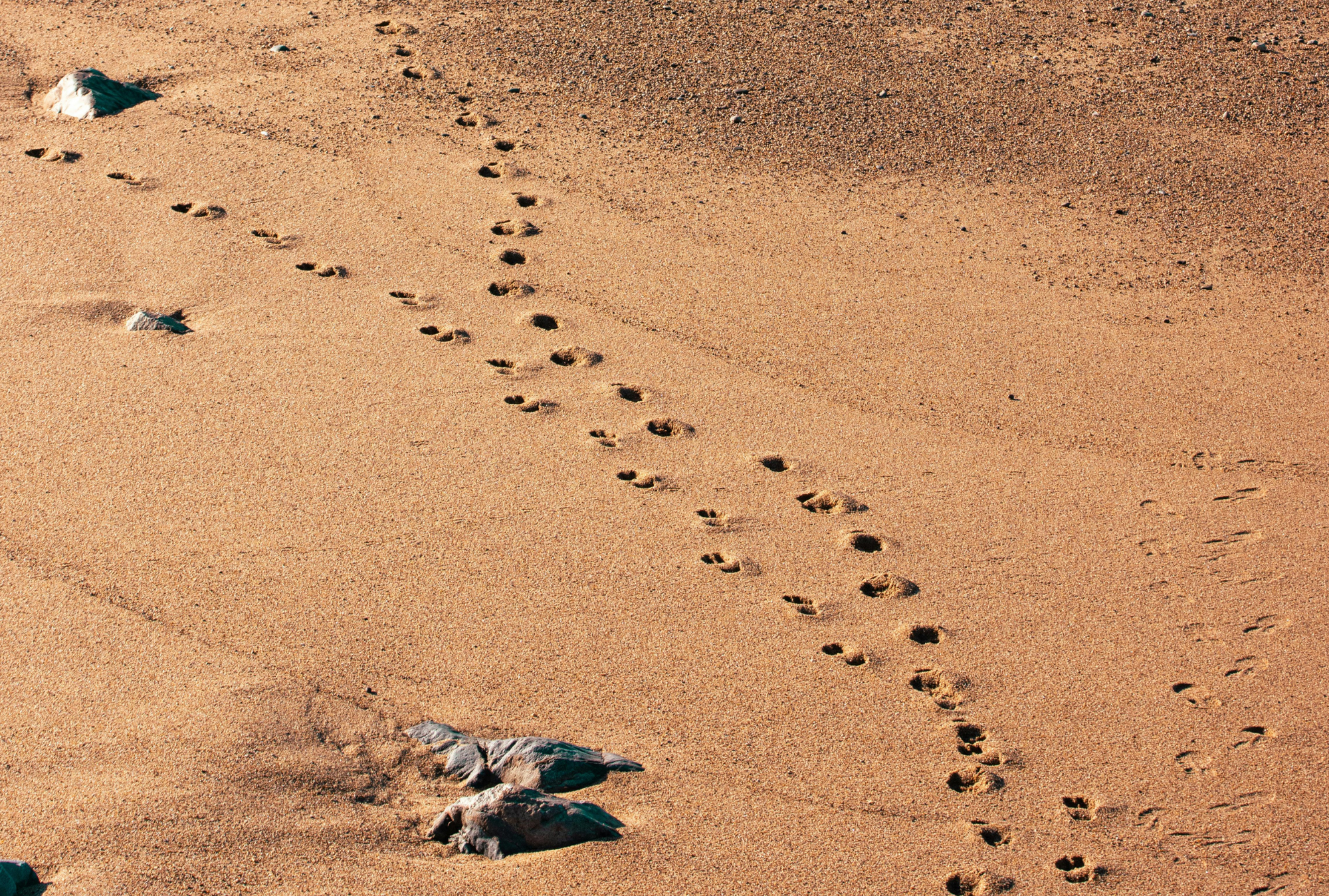
Ina Maka told all the nations of creation that a cleansing was coming and to prepare. The wamakhaskan, the animal nation, was upset and they sent out the e’yapaha, the crier, to announce a big meeting in Paha Sapa, the Black Hills. Each animal nation sent a delegate to discuss Ina Maka’s decision to cleanse herself.
The wamakhaskan complained, “why do we have to die because of what the huhu nunpa does?" They sat down, filled their cannupas, their pipes, and thought and prayed. “I know, let’s make war on them and wipe them out so no cleansing will be necessary. But how can we win this war?” They filled their cannupas again and thought. “We will make sickness fall on them and they will die, then Ina Maka won’t have to cleanse herself!”
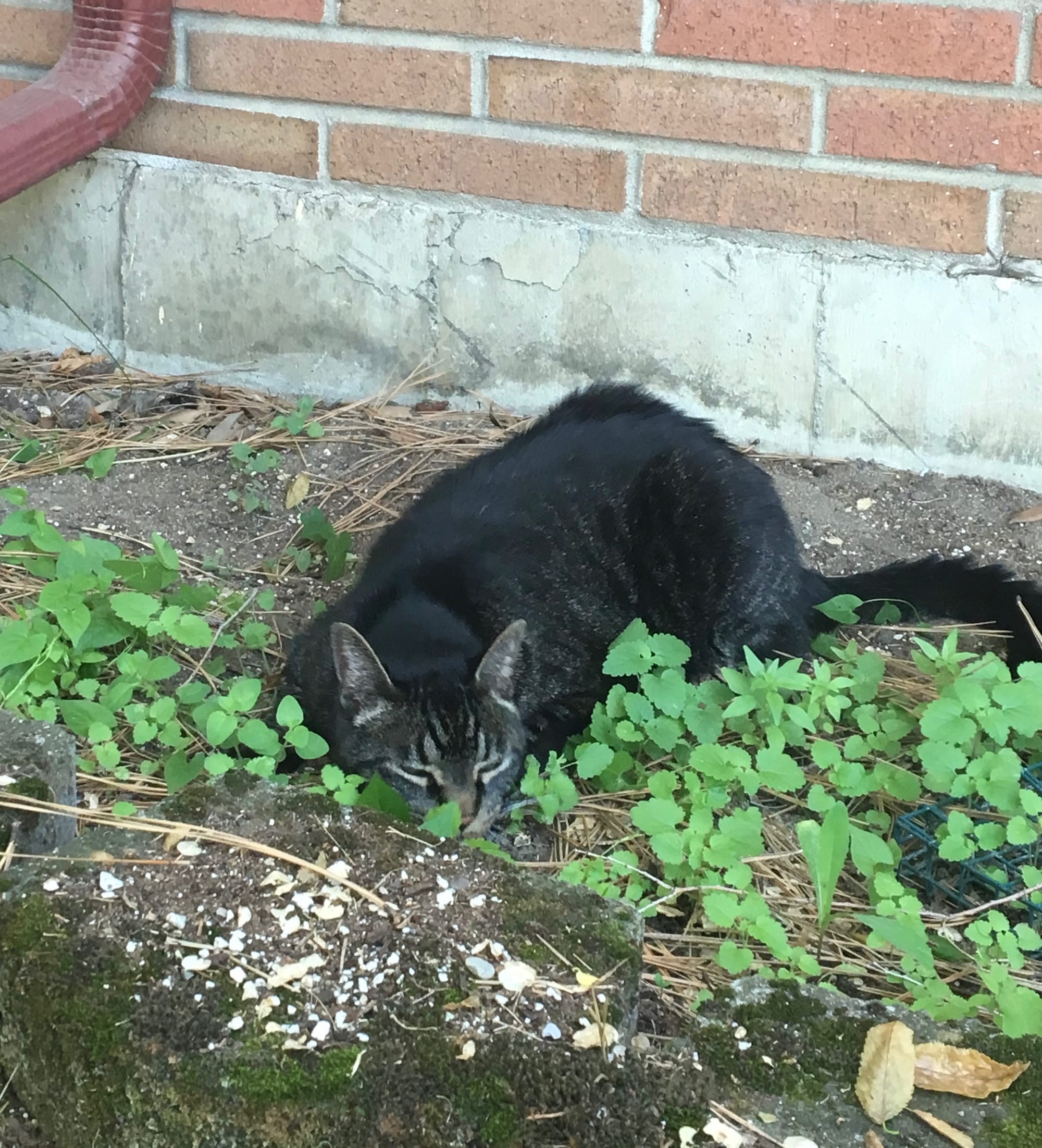
During this time, the wahpe oyate, the plant nation, was listening to the wamakhaskan decide what to do. They were upset and called for a big meeting in Paha Sapa. Each plant nation sent a delegate to the meeting. “Who are they, the wamakhaskan, to say who gets to be here, that the huhu nunpa relatives will be wiped out?” The wahpe oyate sat down, filed their cannupas and sang prayer songs. “What can we, the plant nation, do?” Then they vowed, “For every sickness that the wamakhaskan sends on huhu nunpa, we will send a cure.”
That’s how the wahpe oyate went to war and they are still fighting today to fulfill their vow to keep the huhu nunpa from being wiped out.
I reheard this story recently from a Dakota elder while we were sitting in a room in the Black Hills of South Dakota, the homeland of my birth. There are many similar versions of this story and one takeaway is a worldview that we are all related. This is expressed in Lakota as Mitakuye Oyasin (all my relations). The meaning of these words is so deep that Mitakuye Oyasin is also used to finish a prayer, as in “amen.”
While the contemporary setting of the story that day was in a modern building, and the captivating storyteller was also an accomplished tribal official, the age-old truth of the story still carried power. I was compelled to assess how much that truth continues to shape my ethics. How am I living in right relationship with Creator, each other, and all parts of creation?
One consideration for living with the land, not just on it, is reciprocity. Having a reciprocal relationship with the land is an ancient Indigenous value. It means that in receiving all that the land offers to sustain the people, the people do not take from the land without offering back and do not take more than they need. This is how a pristine wilderness was sustained.
When a friend brought me a pretty rock from one of his journeys, I hesitated and he assured me that he had offered tobacco to ask permission to take the rock. After a nonindigenous family heard me talk about a reciprocal relationship with the land, the mother told me that on their traditional trip to cut down their Christmas tree, they wanted to observe this teaching. She said, “We didn’t have a gift like tobacco to offer so we sang a song.” I readily admired that as a fitting gift to show respect and relationship.
When my 5-year-old grandson developed an asthmatic reaction to one of the shrubs in my yard, his dad prepared to pull it up. I took my takojas (grandchildren) to the bush and laid down tobacco. I addressed the shrub with my grandson and thanked it for the time and beauty it shared but now my takoja was allergic to it and we needed to remove it. My grandson participated by saying, “thank you,” and I like to think he understood this as an act of respect for a relative.
I imagine that at one time, European settlers on our Indigenous homelands had a deep connection to their own ancestral lands. But that relationship was severed when they left, for whatever reason, causing what I call "land trauma" for them. They tried to fill that void with property and took our ancestral lands, thus giving us land trauma, but it wasn’t enough because only a relationship to the land will satisfy the spirit. This land trauma needs healing, and I think we could do it together with a shift of worldview that leans towards Mitakuye Oyasin.
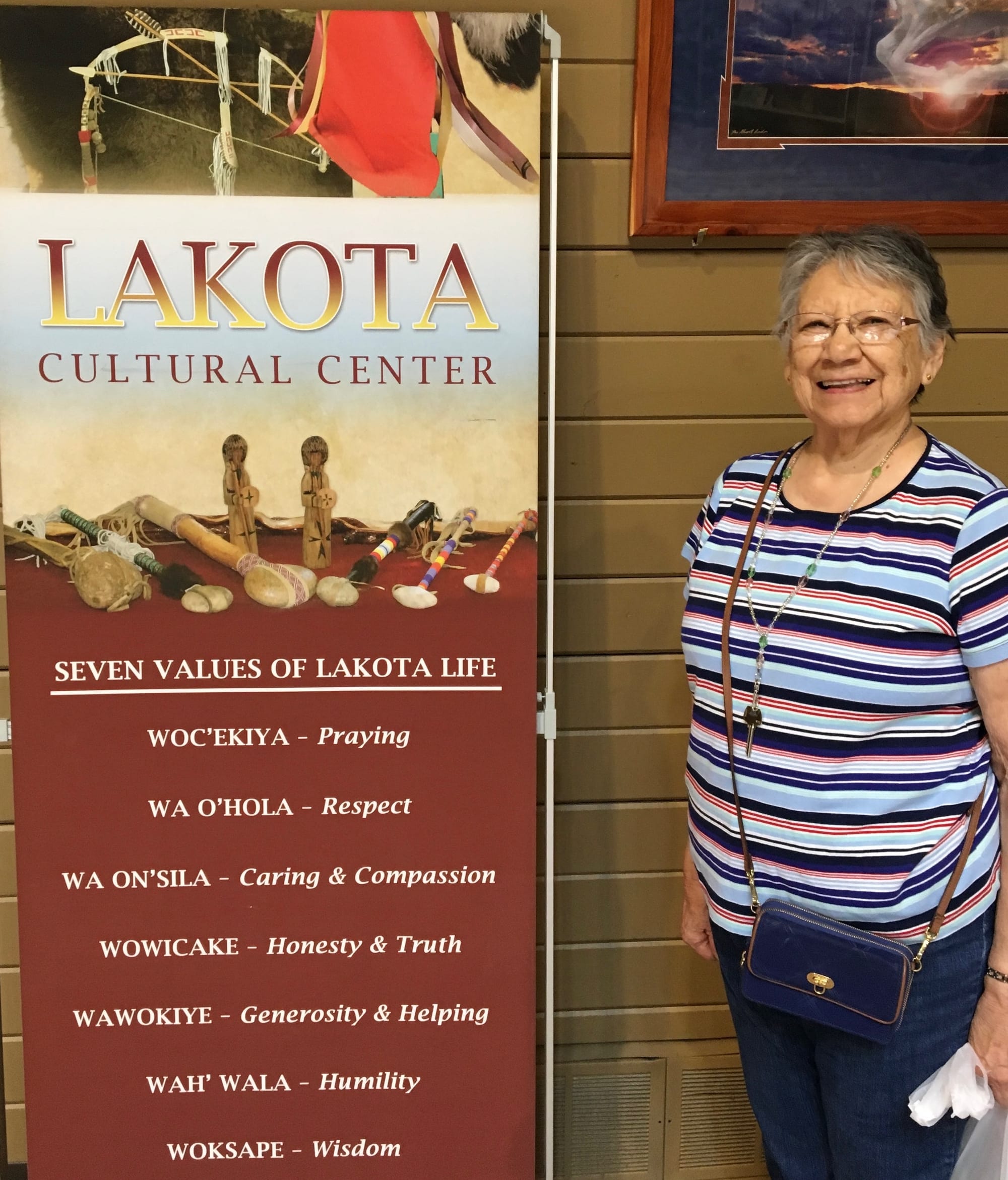
Both my parents were born in the homelands of the Black Hills. My mother was born in a tent along Rapid Creek that flows through Rapid City on the eastern slope of the Black Hills. She was given the name Paha Sapa Win, Black Hills Woman, a name that connects her to her homelands. She will pass on this name to me when she makes her star journey. (One of our stories tells us we are related to the stars and that when a person dies, that person returns to the Star Nation.)
Bridging our cultural understandings is not just a polite thing to do, it’s a way to understand Creator more fully. By Creator’s design, there is a comprehensive, wildly diverse creation, both human and nonhuman. All parts of creation, put together, more fully reflect who Creator is.
When the story led me to assess “how am I living in right relationship with Creator, each other, and all parts of creation,” no great visions came to mind, only small practices of daily living. I once tried to pass by a bottle of water left on a campus walkway, but I ended up pouring the water on a nearby bush. My thought was Mni Wiconi, “water is life.” It couldn’t be wasted so I returned it to Unci Maka, Grandmother Earth. Believing is doing.
Living into the worldview of Mitakuye Oyasin means being a good relative who takes even small restorative steps when right relationship is out of balance. Small practices create a strong foundation for growing respect and relationship.
Lenore Three Stars
IF YOU LIKED THIS, HERE'S ANOTHER TO TRY...
 Louise Conner, Editor
TO LEARN ABOUT OUR PARENT ORGANIZATION, GO HERE...


The Ecological Disciple is part of Circlewood, an organization committed to "accelerating the greening of humanity."
Comments ()