
The Art of Creation: The Power to Protect
Will protection remain in place for an area rife with history and meaning?
On June 8, 1906, the Antiquities Act, or An Act for the Preservation of American Antiquities, was signed into law by Theodore Roosevelt. In light of the massive western migration of Europeans and European Americans (with their tendencies to find and collect pieces of history), it was considered particularly crucial to protect prehistoric Native American ruins and artifacts before they could be taken, destroyed, or damaged. The ultimate goal of the Act was to protect all historic and prehistoric sites on U.S. federal lands, particularly Native American antiquities.
The Act authorized the President to proclaim national monuments, historic and prehistoric structures, or objects of historic or scientific interest on Federal lands. It also protected America’s natural and historic wonders from mining, drilling, looting, and industrial development, and provided for museums, universities, and other educational institutions to ask permission from the Secretaries of the Interior, Agriculture, and War to explore monument sites, including archaeological excavation.
Four of the first five national monuments (El Morro, Montezuma Castle, Tonto, and Gila Cliff Dwelling) were established in 1906 and 1907 by President Theodore Roosevelt explicitly to protect Native American artifacts and structures. Devil's Tower, the very first monument, was protected due to its geological importance, but was also a site held sacred by at least a dozen tribes.
One hundred and twenty years after the Antiquities Acts was signed into law, President Trump signed Proclamations 11043 and 11044, seeking to reduce two national monuments—the Bears Ears National Monument and the Grand Staircase Escalante National Monument—by about 90% each.
In a recent trip to Utah, I visited Bears Ears National Monument, an area sharing much in the way of common circumstances with Grand Staircase-Escalante National Monument, also in southern Utah. Both are remote places, where new findings and discoveries continue to take place—exactly the kind of situation anticipated by the Antiquities Acts, which intentionally allowed time for discoveries to be made and preserved before irreplaceable places and items were damaged or destroyed.
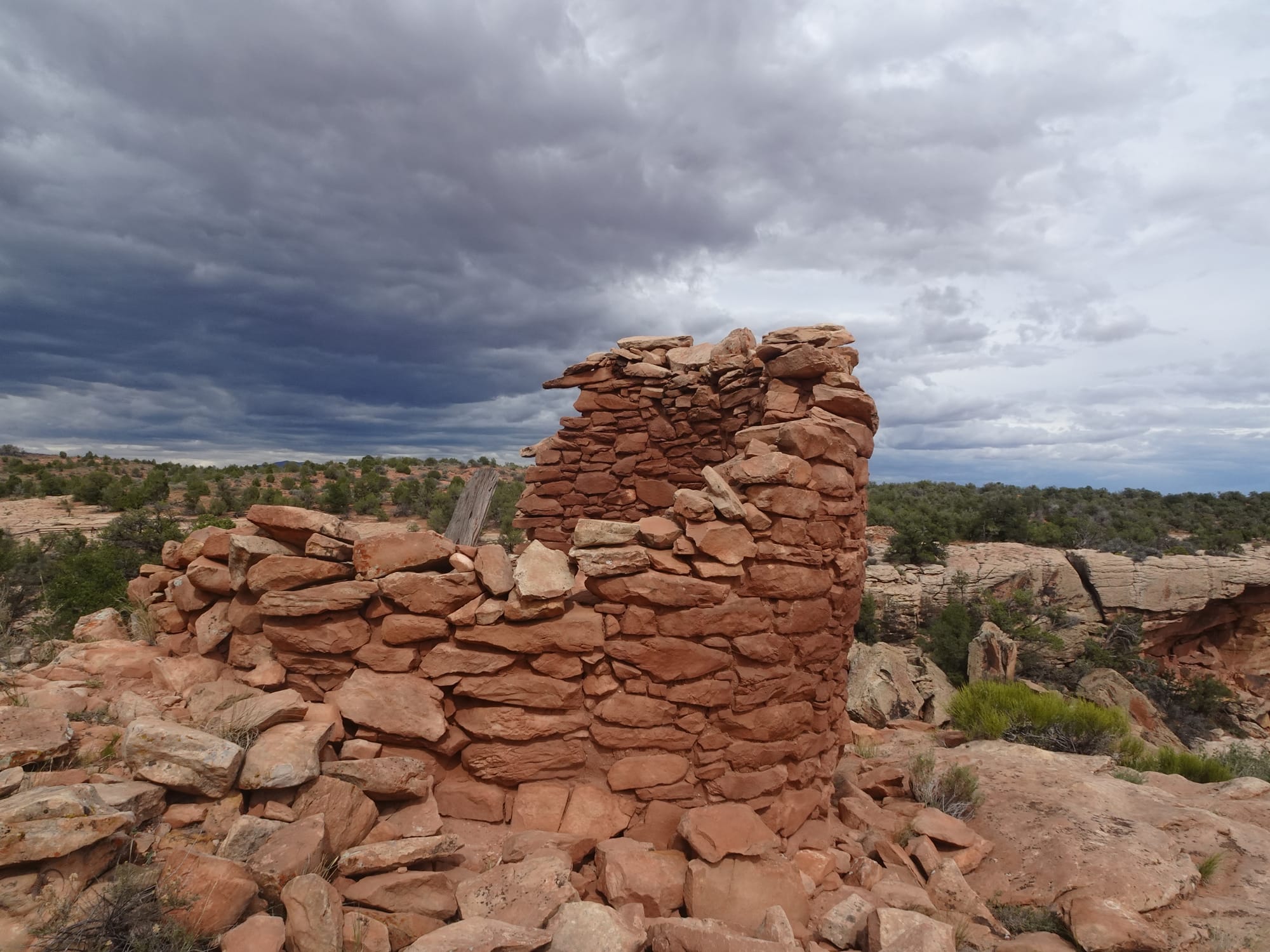
Bears Ears has more than 100,000 known ancient Indigenous and archaeological sites within its pre-2026 proclamation boundaries. It is also rife with other scientific, geological, and recreational opportunities and is considered a sacred area of particular importance by the Hopis, Zunis, Ute Mountain Utes, Uintah and Ouray Utes, and Navajos (Diné). In fact, Bears Ears was the first National Monument whose formation was backed by a request from a Native American tribe. Historically, indigenous concerns and practices are ignored when federal protections are put in place, but the original Proclamation establishing Bears Ears included the stipulation that it would be managed by a coalition that included members of the five Native tribes mentioned.
The more recent proclamation by the Trump administration swept this provision aside: The BEC [Bears Ears Commission] is hereby disbanded and terminated, and the Secretaries shall have no obligation to engage, consult, or coordinate with the BEC or a comparable entity as provided in, or derived from, either Proclamation 9558 or 10285. This is a step backward in cultural respect and understanding.
The 2026 Proclamation claims as partial justification that the setting aside of the over million acres was excessive and didn't heed the guideline that monuments "shall be confined to the smallest area compatible with proper care and management of the objects to be protected," but this argument is questionable at best. For one thing it is based on a flawed view that the land can be divided into separate little pieces without detrimental effect on the other pieces. For these Native nations, the sacred is not a shrine that can be fenced off while the land around it is opened to mining. It is the whole living landscape. Jim Enote, a member of the Zuni tribe has described it this way, “These are sacred places, not sacred sites. A site to me is a point on a map.” A boundary can protect a point. It cannot protect a relationship that runs through an entire landscape.
Much larger areas of land have been set aside previously for National Monuments. The Papahānaumokuākea Marine National Monument is 372,848,597 acres; Rose Atoll is 8,609,045 acres. Misty Fords is 2,294,072 acres. Mojave Trail is 1,600,000 acres. Wrangell-St. Elias National Monument was 10.95 million acres when set aside in 1978. It has since been re-designated by Congress into a National Park, which is the same route that 31 out of the nation's 63 National Monuments came into being as National Parks.
The argument in the recent proclamation that "lithic scatters, projectile points, prehistoric campsites, petroglyphs, and pictographs are found across the American West and are not unique to the Bears Ears region," leans on the reasoning that because they are not one-of-a-kind, they should not be preserved, but this is in opposition to the goal of the Antiquities Act in preserving all such places and artifacts, not just unique examples of them.
As to the claim that, as BLM land, they have sufficient protections in place, this is blatantly false. When Trump issued his proclamation and theoretically opened up the land to mining claims, 72 mining claims were filed in the first two weeks following that action.
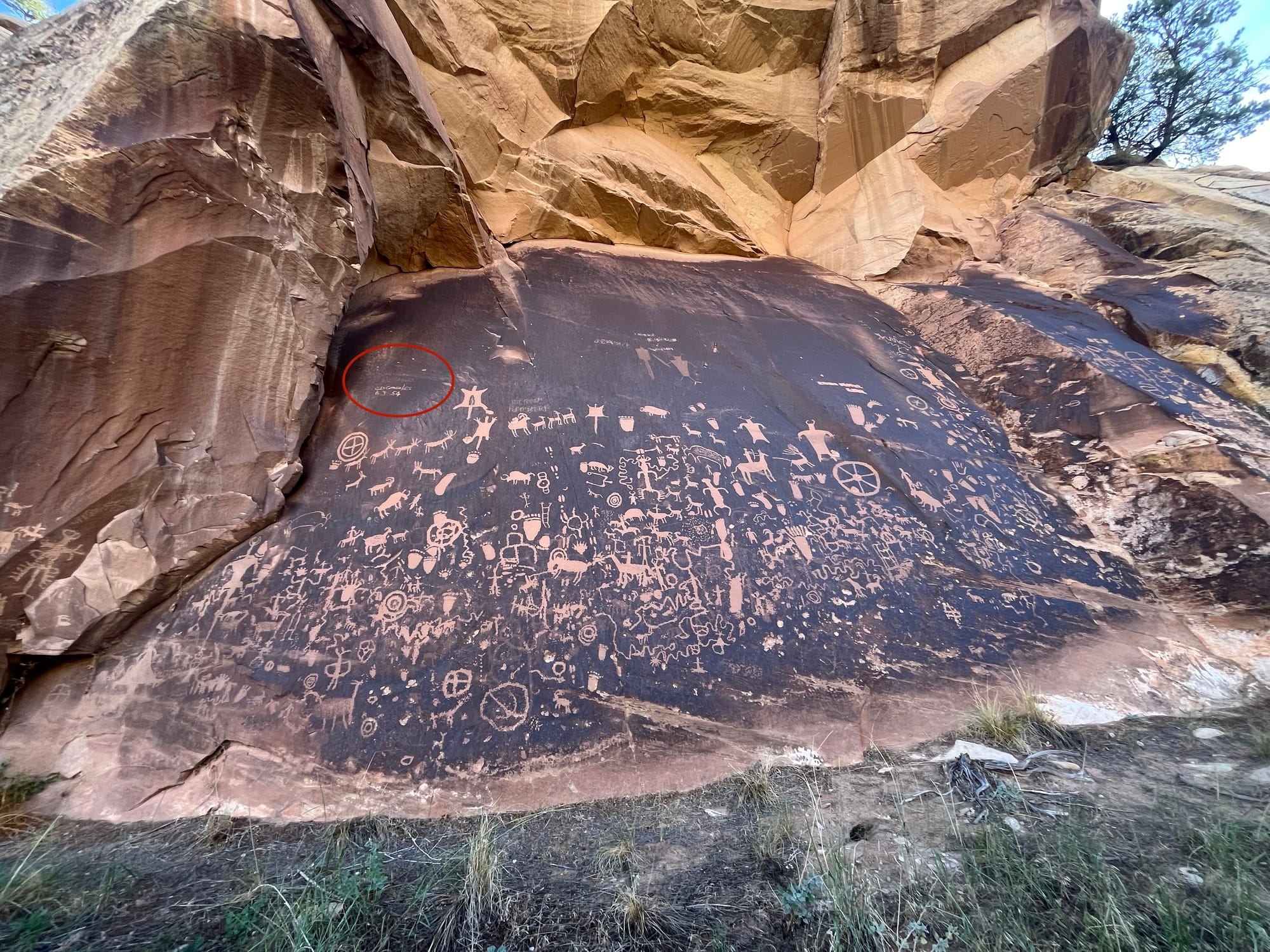
Mining rips into land in ways that leave devastating scars and destruction in its wake, but even small-scale harm can be significant. Newspaper Rock in Bear Ears is a magnificent collection of petroglyph images on a 250-f00t rock face used over a period of 2,000 years by Basketmaker and Puebloan people, as well as Ute people to tell stories, celebrate hunts, records the ins and outs of life in their communities. But above the 650 native drawings, you also find relatively recent graffiti, including a carved inscriptions dated 1902 left by a local setter, and another dated 1954 left by his son. Such places can be very quickly marred without protection.

As evidence is the April incident in the Cabeza Prieta Wildlife Refuge where Contractors working on the southern border wall bulldozed over a 1000-year-old intaglio of a fish even after local tribes warned of the danger due to the nearby work. With the shown tendency of the current administration to bulldoze before gaining agreement or permission (i.e. the East wing of the White House) and then using that destruction to claim that going forward now is the only logical path, strong protections need to be put in place to inhibit these sorts of actions.
The intent of the 2026 Proclamation seems intricately tied to opening the area up to the extraction of minerals, something the Trump administration appears deeply invested in enabling. In the words of the Proclamation (italics are mine):
Revising the boundaries of the Monument will also unburden public National Forest System lands that can and should be put to a higher-priority use. The Bears Ears region contains several resources that are vital to energy and resource independence and, in turn, critical to national security. These resources—which include critical minerals such as silver, copper, molybdenum, lead, uranium, vanadium, and zinc—create jobs, fuel prosperity, and are essential to important sectors of the economy of the United States, including defense, manufacturing, and transportation. It is imperative that the United States not rely on foreign sources for these resources. Modifying the Monument's boundaries will help ensure that adequate domestic supplies exist, thereby reducing the threat posed by our Nation's reliance on foreign sources
The legality of the proclamation reducing the size is very questionable. According to the Harvard Law Review, the Federal Land Policy and Management Act of 1976 made clear that only Congress can modify a National Monument once it has been established. The president has the power to act quickly by adding protection but does not possess the authority to take it away.
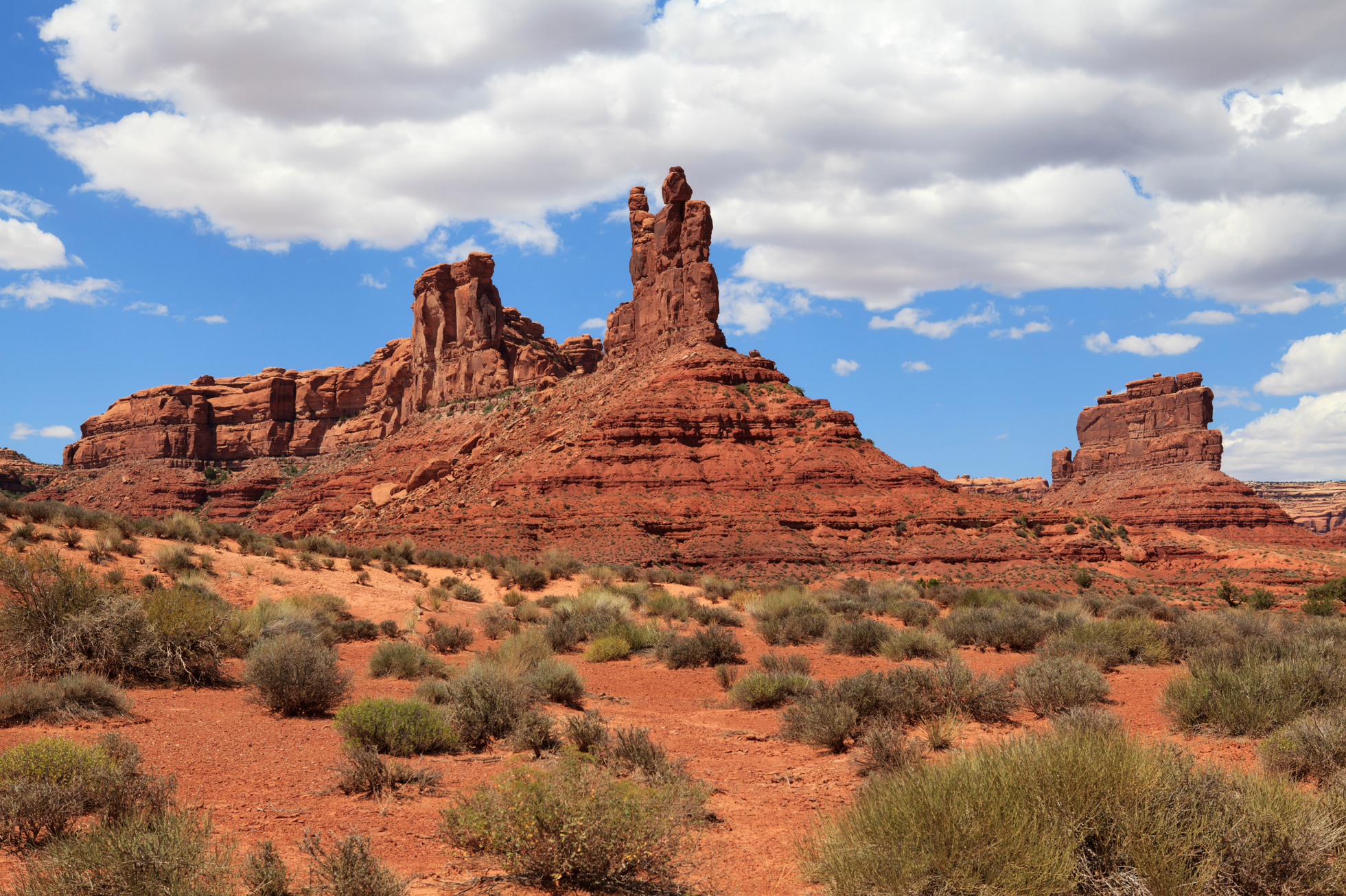
While I was in Bears Ears, I visited some of the areas that have been targeted for exclusion from protection by Trump's Proclamation, including Valley of the Gods. It is not difficult to understand why the native people consider this area to be sacred. The 2026 proclamation takes issue with the citation of significant habitat and geological attributes as a rationale for turning land into a National Monument, but for many other National Monuments, natural features alone have often been enough to ensure the establishment of a National Monument. Here, these dramatic geological features along with the abundance of ancient pictographs and structures throughout the area is nothing less than astonishing, and certainly worthy of protection.
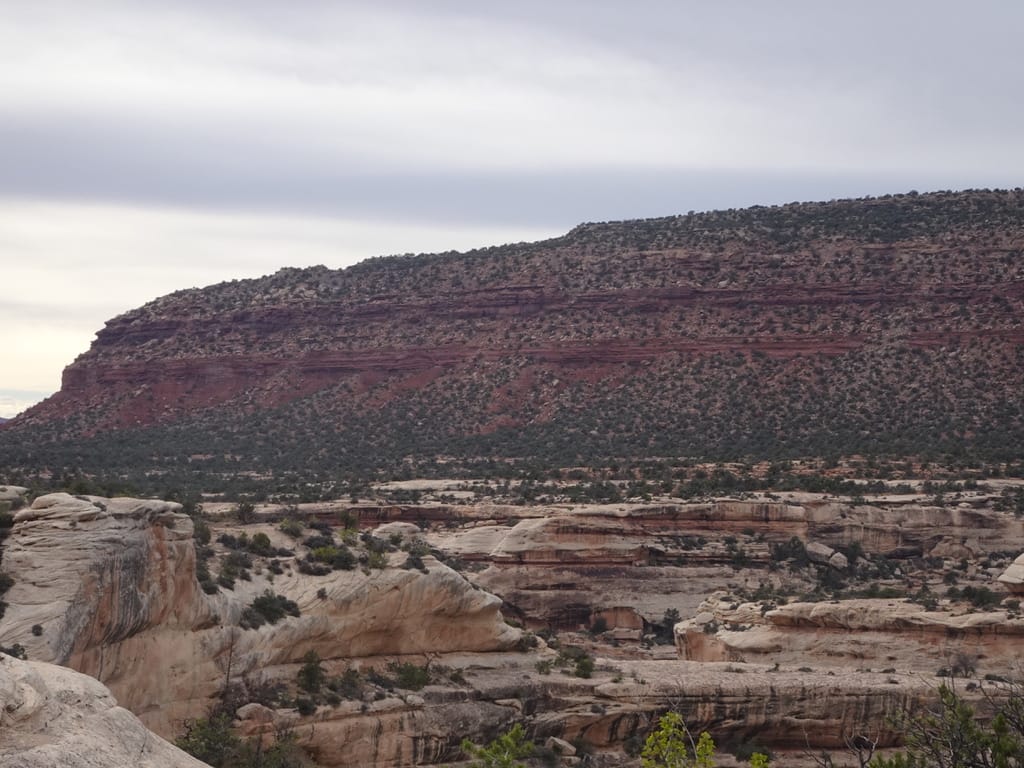
Throughout the history of this country, Native Americans have been pushed off land time and time again, have been given promises that were later broken, and have been left out of conversations in which they had a legitimate vested interest. It is deeply disappointing that a National Monument process that gave weight to their perspective has been upended in a way that looks so much like how things were done when we "didn't know better."
It brings to mind the Black Hills, a sacred place to the Lakota, which was recognized as the exclusive territory of the Lakota by treaty. When gold was discovered there in 1874, the treaty was violated and the land appropriated by the United States. In 1980, the illegality of this action was ruled upon by the Supreme Court with massive remuneration to the tribe prescribed. But the Lakota have refused the money. Instead they want the land they are entitled to back.
This is what I fear with the current proclamations—that by the time the courts address the illegality of the current proclamations, those who want to exploit the resources of the land will have desecrated the land to the point where they will again claim that preservation is now impossible and that the only logical choice is continuing forward with further exploitation.
If this were to happen, we would show ourselves to be no wiser than the person scrawling graffiti on a 2000-year-old wall of history and no better than our treaty-breaking forefathers of the past.
If this prompts you to action, you can support one of the outdoor groups fighting the action, such as Patagonia or you can voice your protest to your representatives in Washington DC, letting them know that this is an issue you care about.
Louise
Circlewood, our parent organization is hiring! We are looking for an Associate Director to guide Circlewood's operations and prepare Circlewood for the next phase of growth. If you are interested, or know someone who might be, visit our our employment page here for more information and to submit a preliminary application, which will be reviewed in mid-November. The job involves on-site duties.
Comments ()