
The Way Forward: Tending to God's Land
In showing loving concern for the land, we fulfill a biblical call in ways that are deeply practical.
Noah Guthrie, one of our regular contributors to The Ecological Disciple, explores the theology and practice behind sustainable agriculture. You can find all of Noah's posts for The Ecological Disciple on his author's page here.
The Land and Its Shepherd
It was early March at St. Bartholomew’s Episcopal. The air was cool, and the grassy hill rippled like a pond, waiting for gold and periwinkle blooms to rise from its surface.
I stood on the hill with about 20 others – a mix of St. B’s congregants and local volunteers. Most of the trees at the hill’s foot were bare, but the sand-and-cinnamon striped stalks of Bush Honeysuckle (Lonicera maackii) bristled with new leaves.
These honeysuckles, native to east Asia, march through forests in ranks; forming dense thickets, they suffocate native competitors. They further their advantage by bribing birds with lollipop-red berries and leafing out early each spring. Little did they know that today, their early leaves would be their downfall.
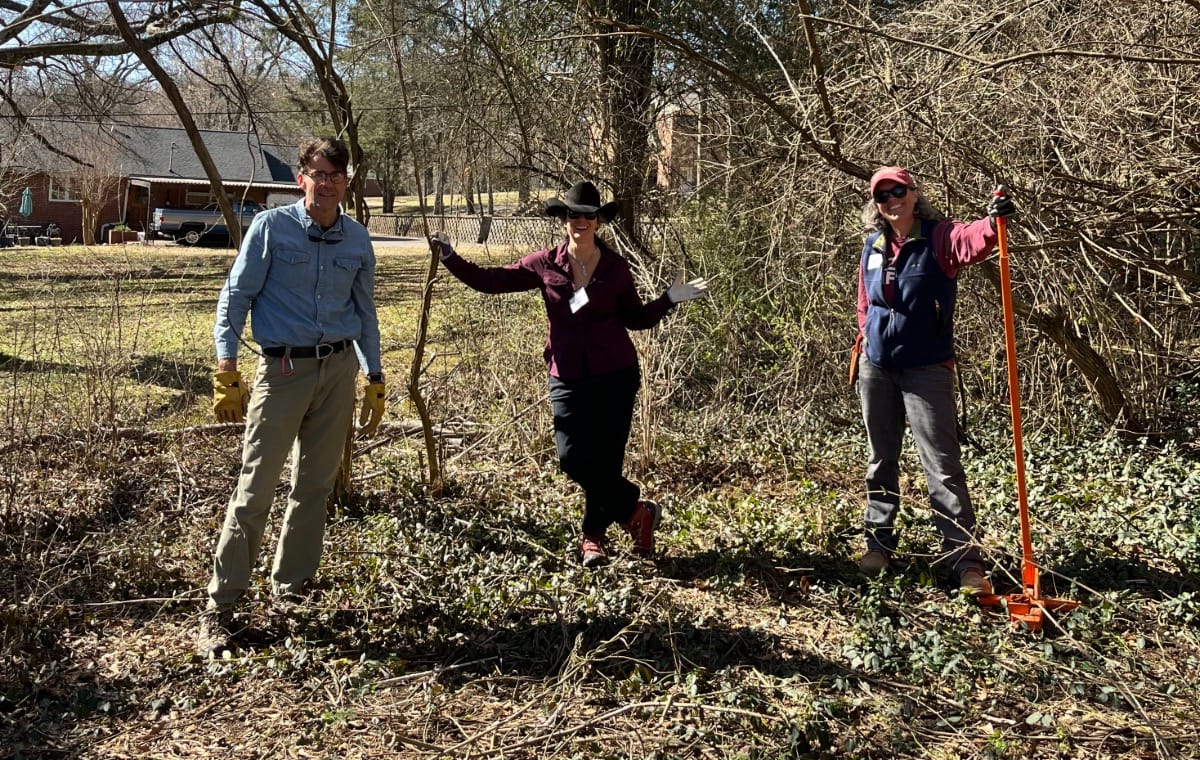
Bearing weed-wrenches and loppers, the St. B’s volunteers and I sought out all those leafy, honeysuckle flags, then rooted them out. Even for those who weren’t familiar with the plant, identifying them was easy. Only the invasives were in leaf, so anything green must go.
In the subsequent year, St. B’s treated the de-honeysuckled space with intense sunlight (to kill off invasive roots), then partnered with a local native plant business, Plant for a Change, to root a variety of local plants there. With fewer invasives and more biodiversity, the congregation hopes to shepherd their property’s ecosystem to greater stability and flourishing.
Keeping the Garden
This kind of care for the land is a biblical tradition stretching all the way back to Genesis. In the early days of creation, “The LORD God took the man and put him in the garden of Eden to till it and keep it” (Gen. 2:15). In Hebrew, the word often translated as “keep,” shamar, signifies the kind of care and protection that God offers humanity. It’s the same word that appears in the Aaronic blessing, “The LORD bless you and keep you” (Num. 6:24). This isn’t the cold kind of “keeping” an entrepreneur does with their property; to shamar is to love the land for its own sake.
One proof that the shamar in Genesis 2:15 indicates a loving concern for creation is that this is how God relates to the world. Genesis 1-2 describes God offering life, food, habitat, and abundant community to human and non-human creatures alike, blessing them both to “be fruitful and multiply” (Gen. 1:22, 1:28). Similar descriptions appear in Psalm 104, where God continues to feed and shelter storks, goats, donkeys, badgers, and lions.
In Mosaic Law, Israel is called to emulate God’s compassion for creation and thus fulfill Adam’s call to “tend and keep” the garden. Moses reminds the Israelites that God is the true owner of the land (Lev. 25:23-24), and he commands them to let the land rest from agricultural labor every seventh year (Lev. 25:2-5), to let their livestock rest every seventh day (Deut. 5:13-14), and to spare any mother bird whose nest they harvest for eggs (Deut. 22:6-7).
Old Testament scholar Dr. Sandra Richter interprets this bird law as one of Deuteronomy’s many examples of pars pro toto. This means that the command to spare a mother bird is just “one expression of a larger principle” that Israel should preserve the land’s ability to sustain life (Stewards of Eden, 53).
How Churches Can Love God’s Land
If the first human was called to lovingly shamar the land, and if the people of Israel were also called to shamar the land, then it’s logical that the modern Church is called to do the same. What does this look like in practice? Luckily, I can point to lots of examples from A Rocha USA’s Churches of Restoration program.
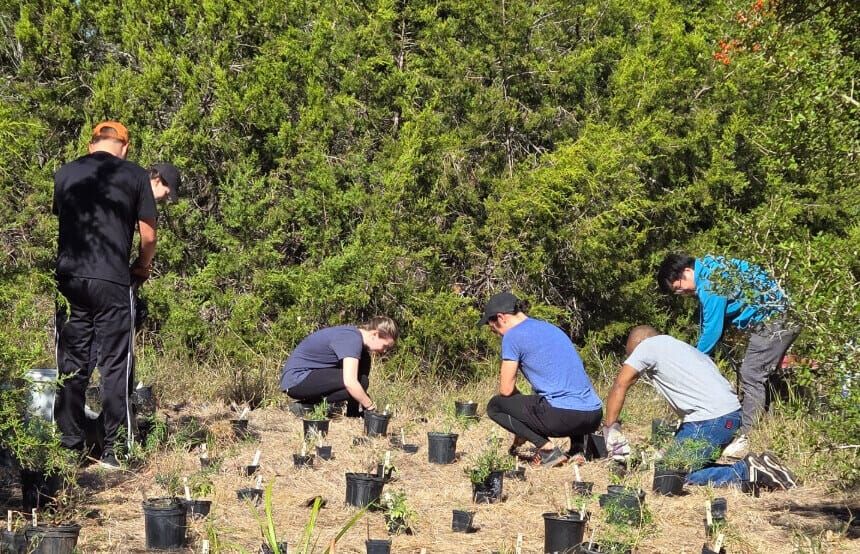
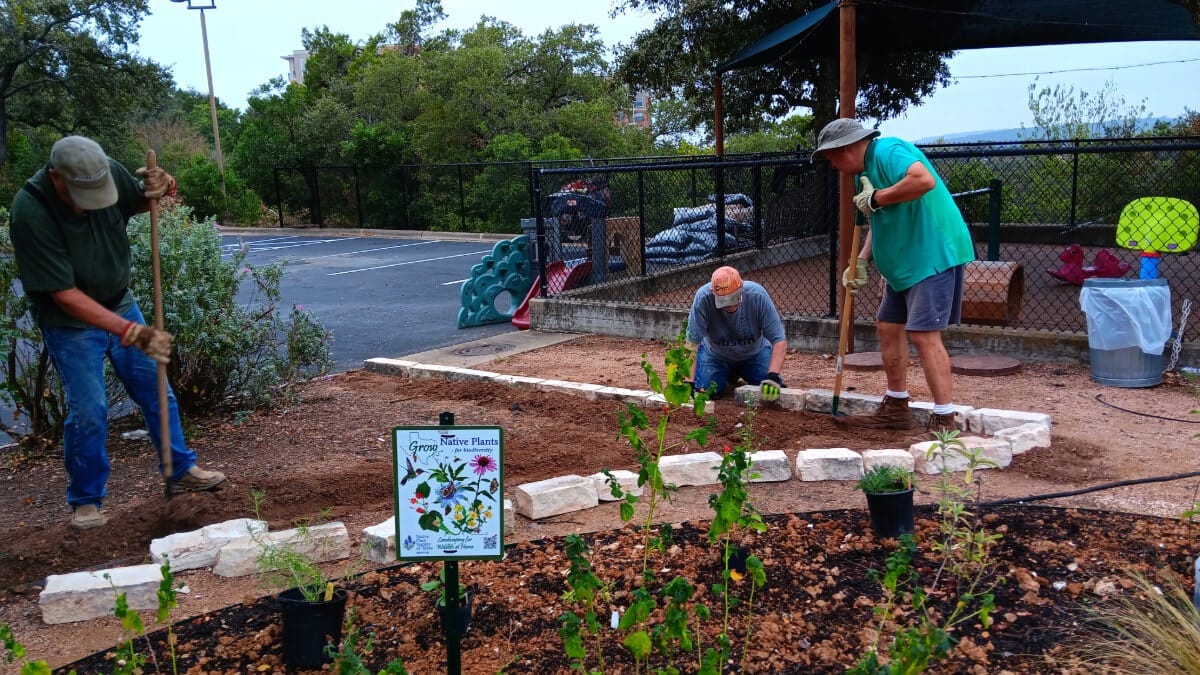
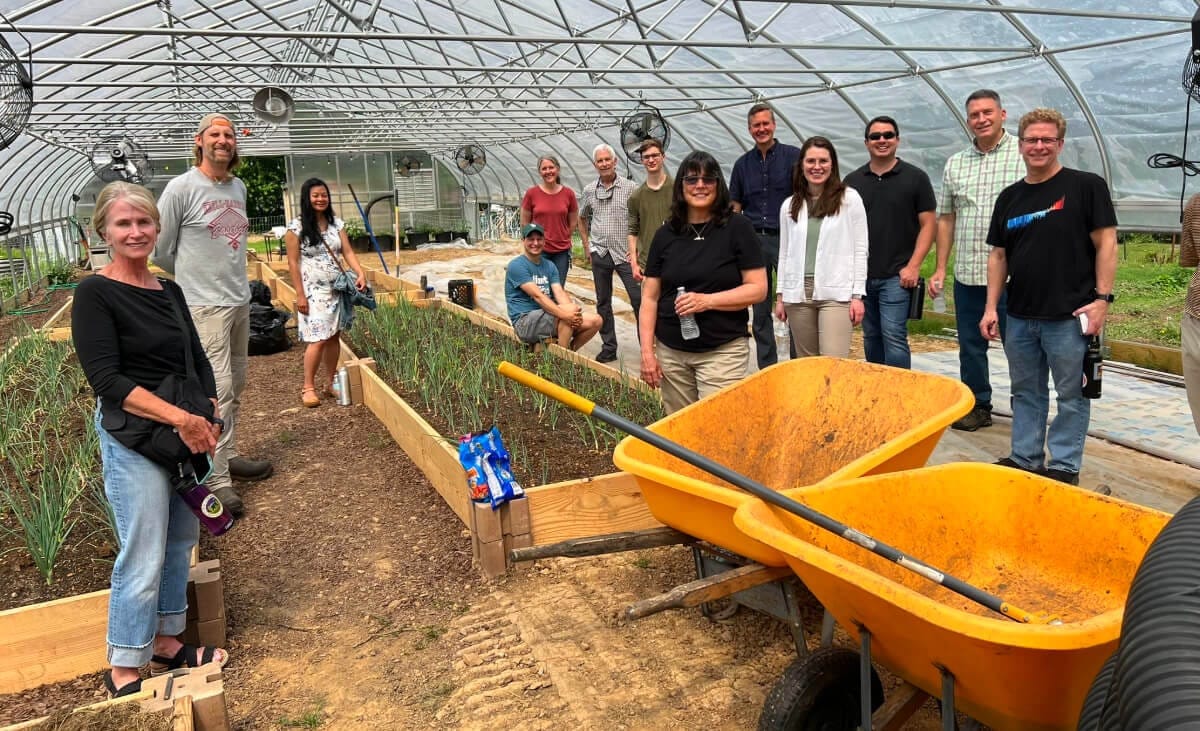
St. Bartholomew’s in Nashville, TN, for example, increased their land’s health and biodiversity by removing invasive plants and establishing natives. Audubon Park Church of Orlando, FL, hosts a vegetable farm on their property, and Triumphant Love Lutheran of Austin, TX, tends a native plant garden and a “sensory garden” to help their children connect with creation.
You can find more advice for creation-friendly landscaping in A Rocha’s “4 Tips for Creature-Friendly Yards and Gardens” PDF. If your congregation has a lot of land, you may even consider dedicating part of it to regenerative agriculture. One example of this is the Faith Commons program, through which religious communities can entrust their land to local farmers.
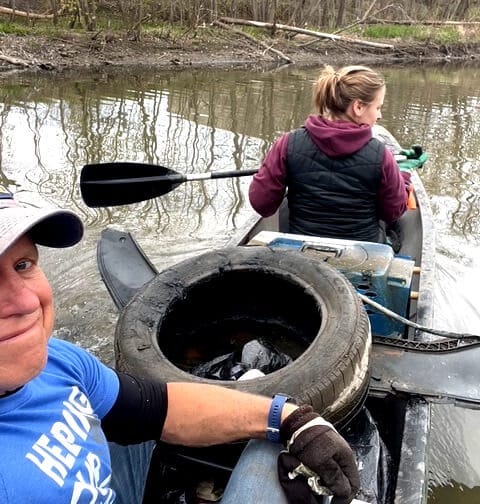
Churches can also care for ecosystems beyond their property. Up in Wisconsin, Eastbrook Church organizes an annual litter cleanup in the Milwaukee River. If your congregation wants to help gather data on the health of your local waterways, you can likely draw on resources offered by local water conservation groups. In the U.S., for instance, you can access water monitoring resources through the Izaak Walton League. Whatever country you may be based in, you can also consider adopting a park, storm drain, or stream through a local park or environmental group, committing to “tend and keep” that stretch of habitat.
Another approach that multiple Churches of Restoration have taken is doing energy audits on their buildings with Energy for Purpose. This faith-based group helps congregations to understand how much energy they’re using, then design a strategy to reduce their energy use and carbon footprint. Since many energy efficiency strategies are low- to no-cost, churches can also save a huge amount of money through this process.
For churches interested in energy efficiency, you can also calculate your carbon footprint using a free online calculator. Churches in the U.S., U.K., and the Netherlands, for example, can use Climate Stewards' Carbon Calculator and Quick Start Guide. You can also research local grants and incentives to help finance energy efficiency upgrades at your building. U.S. churches can use North Carolina State University’s DSIRE database to find tax incentives, rebates, grants, loans, and other resources related to clean energy, and churches in other countries can likely find similar resources linked to their own governments and communities.
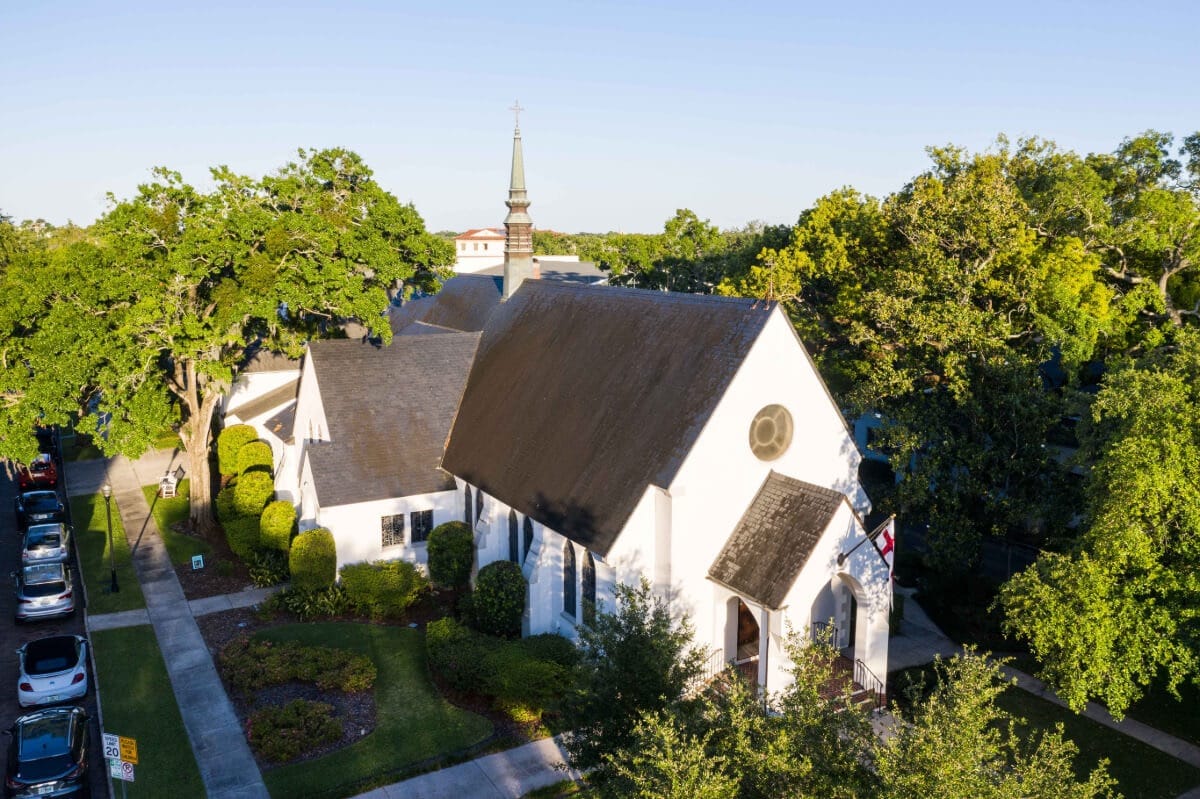
Finally, your church can seek out resources, accountability, and community by connecting to a broader network of creation caretakers. In the U.S., churches may consider joining A Rocha USA’s Churches of Restoration or Church Partner programs. Churches based in Canada or the U.S. can join Love Your Place, A Rocha’s online platform where believers can exchange advice, encouragement, and resources with creation caretakers across the continent.
If your church is based elsewhere, I encourage you to find ways to connect with Spirit-filled environmentalists in your own region! Feel free to share stories in the comments about resources or creation caretaking communities you’ve encountered where you are.
Garden and Kingdom
All throughout his ministry, Jesus declared that the “kingdom of heaven is at hand” (Matt. 4:17). Wherever his disciples went, they announced that the “kingdom of God has come near to you” (Lk. 10:9-11). What does it look like for the modern Church to declare that the kingdom has come?
This can be expressed in many ways, but one significant way is being faithful to humanity’s original calling to “tend and keep” the land. When a world racked with environmental anxiety looks to our churches, may they see groves of verdant shrubs, trees, and wildflowers, freed from invasive plants. May they see rivers cleansed of plastic, and gardens abounding with nectar and crops for all kinds of creatures. May they see churches who borrow sparingly from the world’s water, heat, and light, and who love their global neighbors by choosing moderation over carbon.
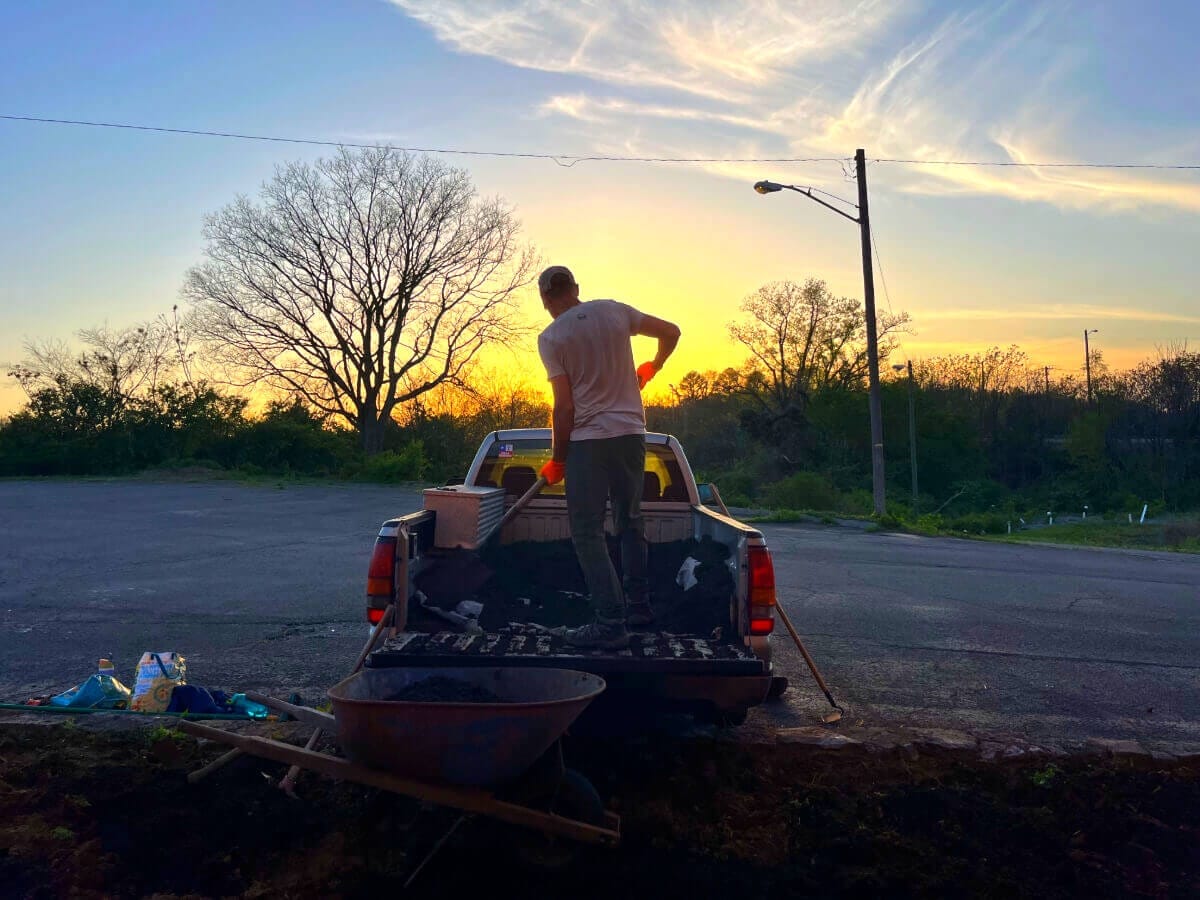
This is God’s land. These are God’s beloved creatures. As people of God, we’re called to build the kingdom by tending the garden.
Thanks for reading my piece! - Noah
If you have any thoughts you’d like to share about this post feel free to email me at “noah.guthrie@arocha.org” or comment below.
For any who feel led to give, most of the funding for my role with A Rocha USA comes from my personal fundraising efforts. You can find my fundraising page at the following link: https://arocha.us/guthrie.
IF YOU LIKED THIS, HERE'S ANOTHER TO TRY...
 Louise Conner, Editor
TO LEARN ABOUT OUR PARENT ORGANIZATION, GO HERE...


The Ecological Disciple is part of Circlewood, an organization committed to "accelerating the greening of humanity."
Comments ()