Practical Earthkeeping: Nurturing the Next Generation of Earthkeepers in Our Homes and Communities
In today's writing, Vidhya Chintala shares her passion for children, Creation, and nurturing the communities they are a part of.
Today we hear from Vidhya Chintala, Circlewood friend and a contributing writer to The Ecological Disciple. Vidhya lives with her husband and two daughters near Seattle, WA. You can find more of Vidhya's writing on her author's page here.
Children embody hope and potential for our future. As parents, uncles, aunts, grandparents, teachers, mentors, neighbors, decision-makers and influencers in our communities, we play a significant role in shaping the world they inherit. We also affect the lenses, opportunities and resources through which they will see, understand and transform it. I wonder how we can be more intentional and effective in engaging and equipping children in addressing the brokenness and isolation that perpetuate the social and ecological harm caused by our current systems of economy, politics and culture. How can we support our children in finding and nurturing healing and connection with our Earth and humanity?
Reflecting on my own journey so far, I know this work is not done alone. We need wisdom from God as well as the collective wisdom of a community that loves God and His creation. In an attempt to contribute to this collective wisdom, I will highlight a few practical ideas on how to build a child’s relationship with the environment as well as their perspectives/habits of ecological health.
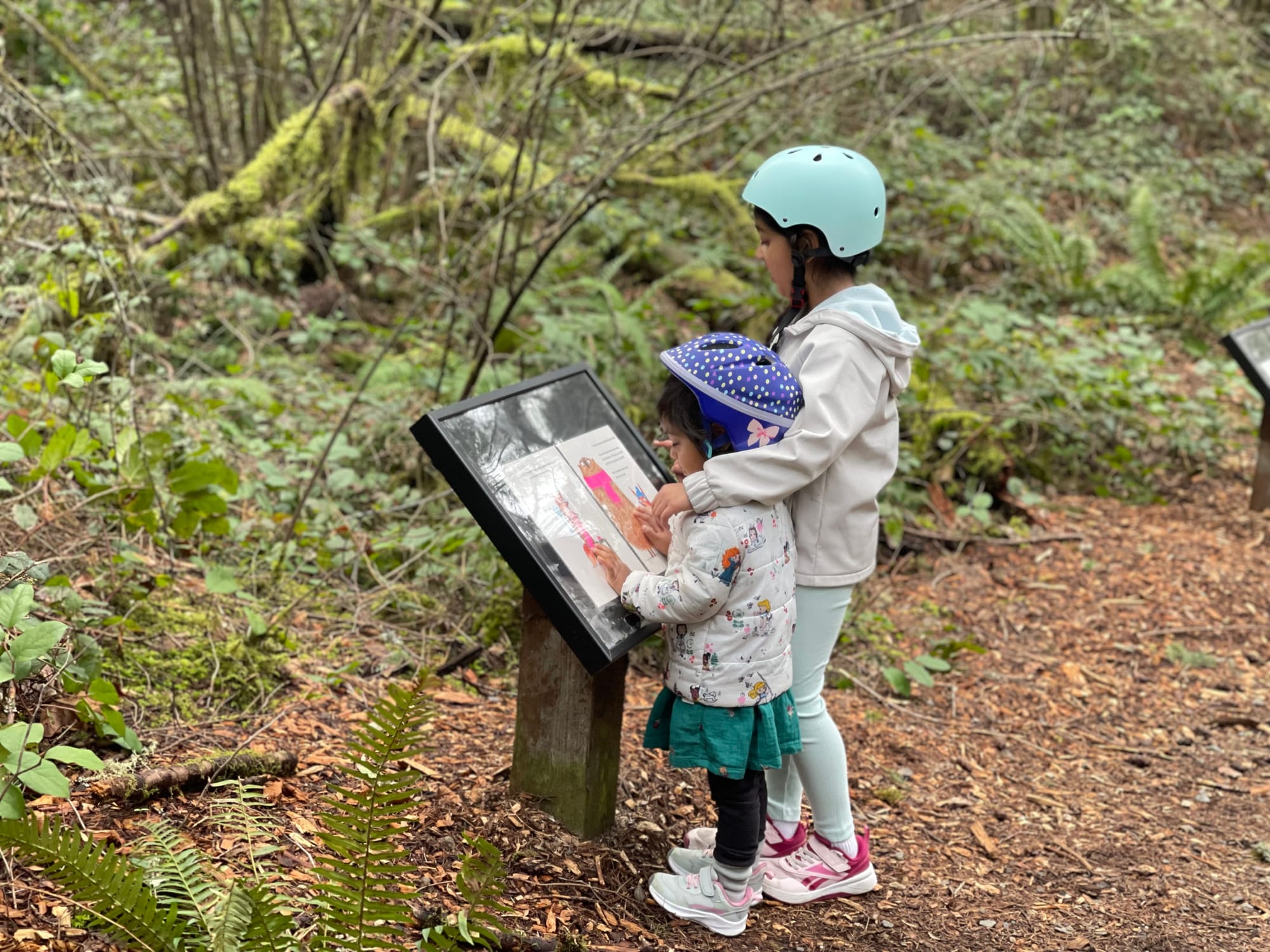
Establishing and nurturing a child’s sense of connection and relationship with the Created World and its beings.
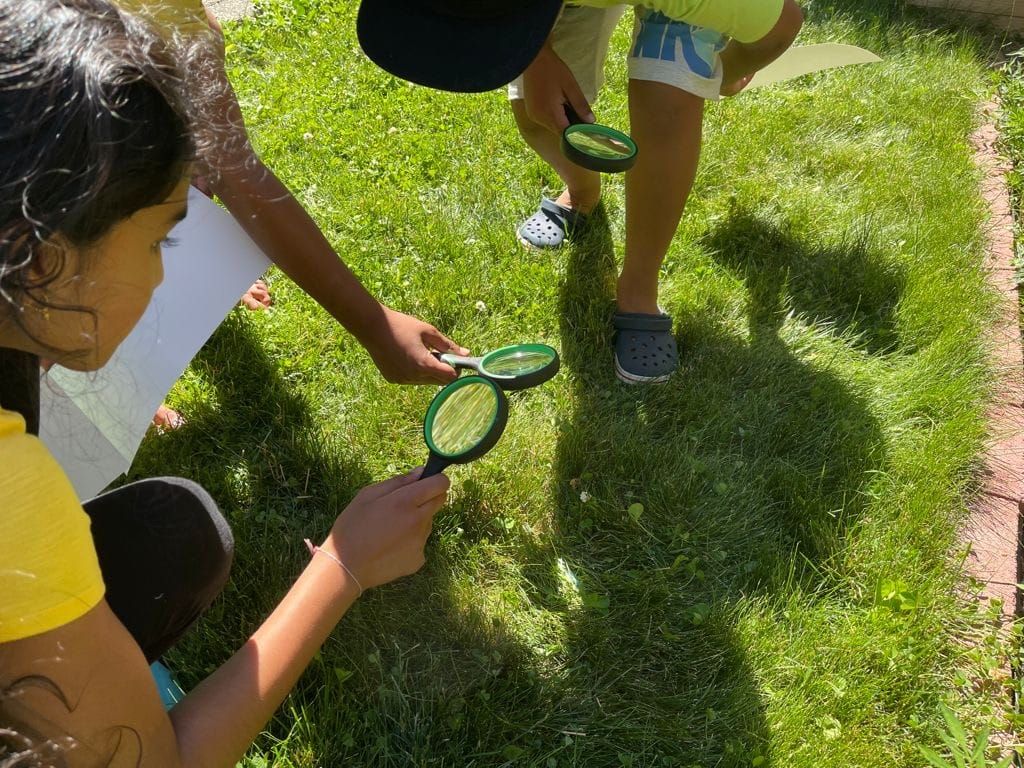
Growing up in India, my access to rich biodiverse natural spaces was limited to a couple of weeks, every five or six years, when I visited my mother’s hometown village, far away from the city where I was raised. But even that small period of exposure was foundational to how I connected with nature and wildlife around me. We used fallen coconut leaves to make decorative headpieces, smaller coconut fruit buds as ear rings; we cooked mud as rice in coconut shells that were left over from the kitchen. It was what we now call imaginative free play in the field of early childhood development. Here are some ideas for helping children in our families or close social circles nurture their connection with the Earth.
- Free play and foraging
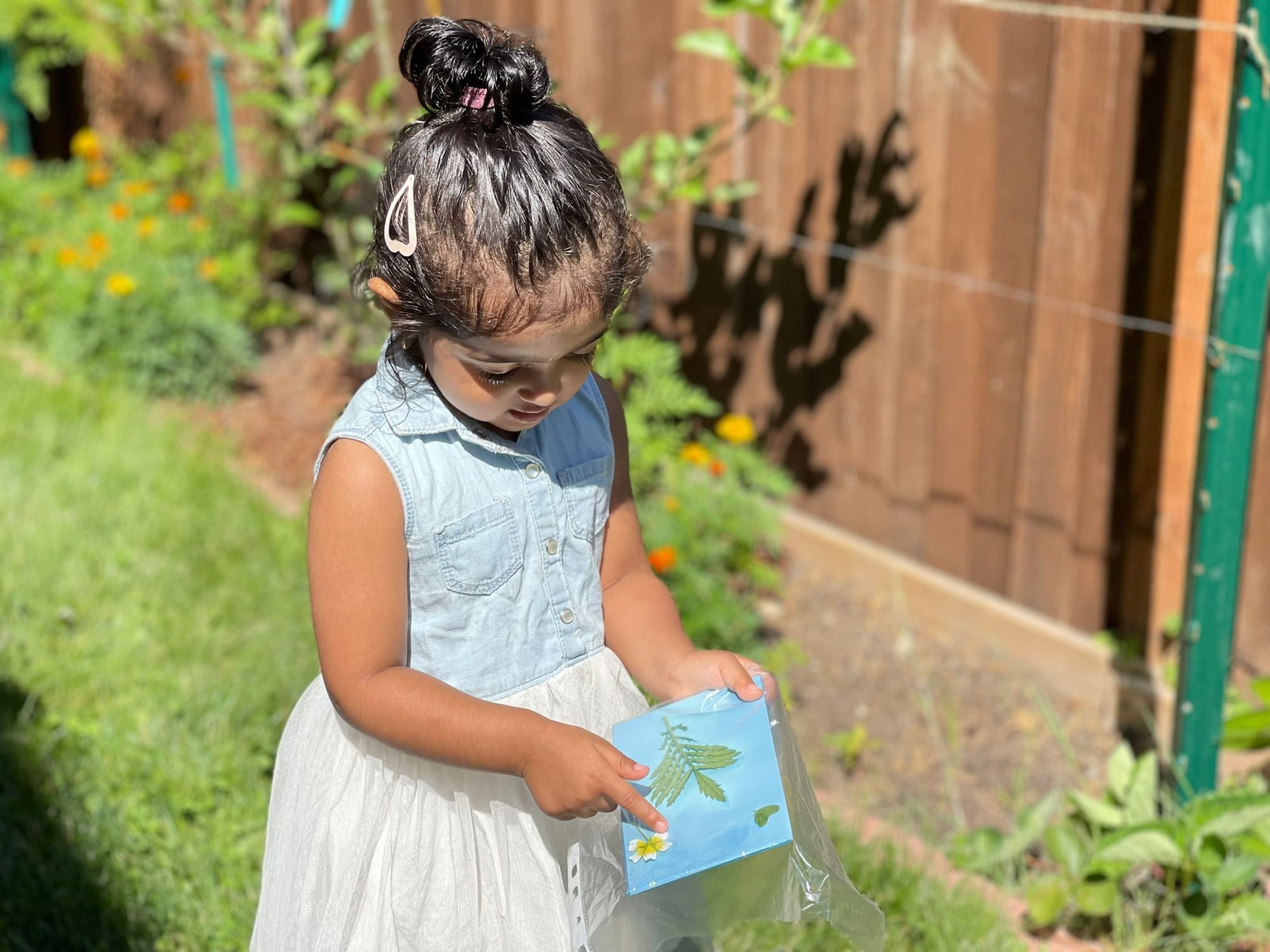
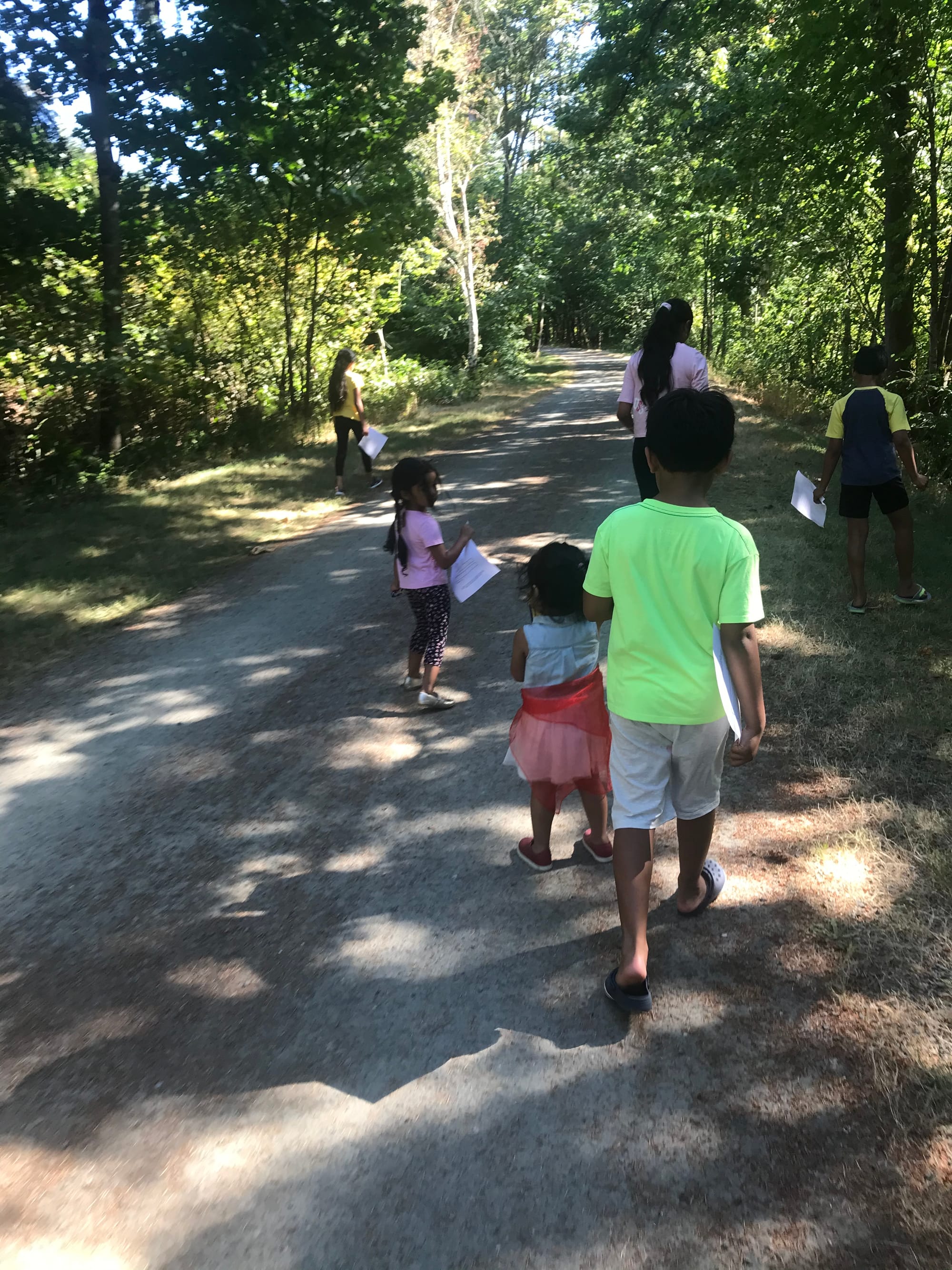
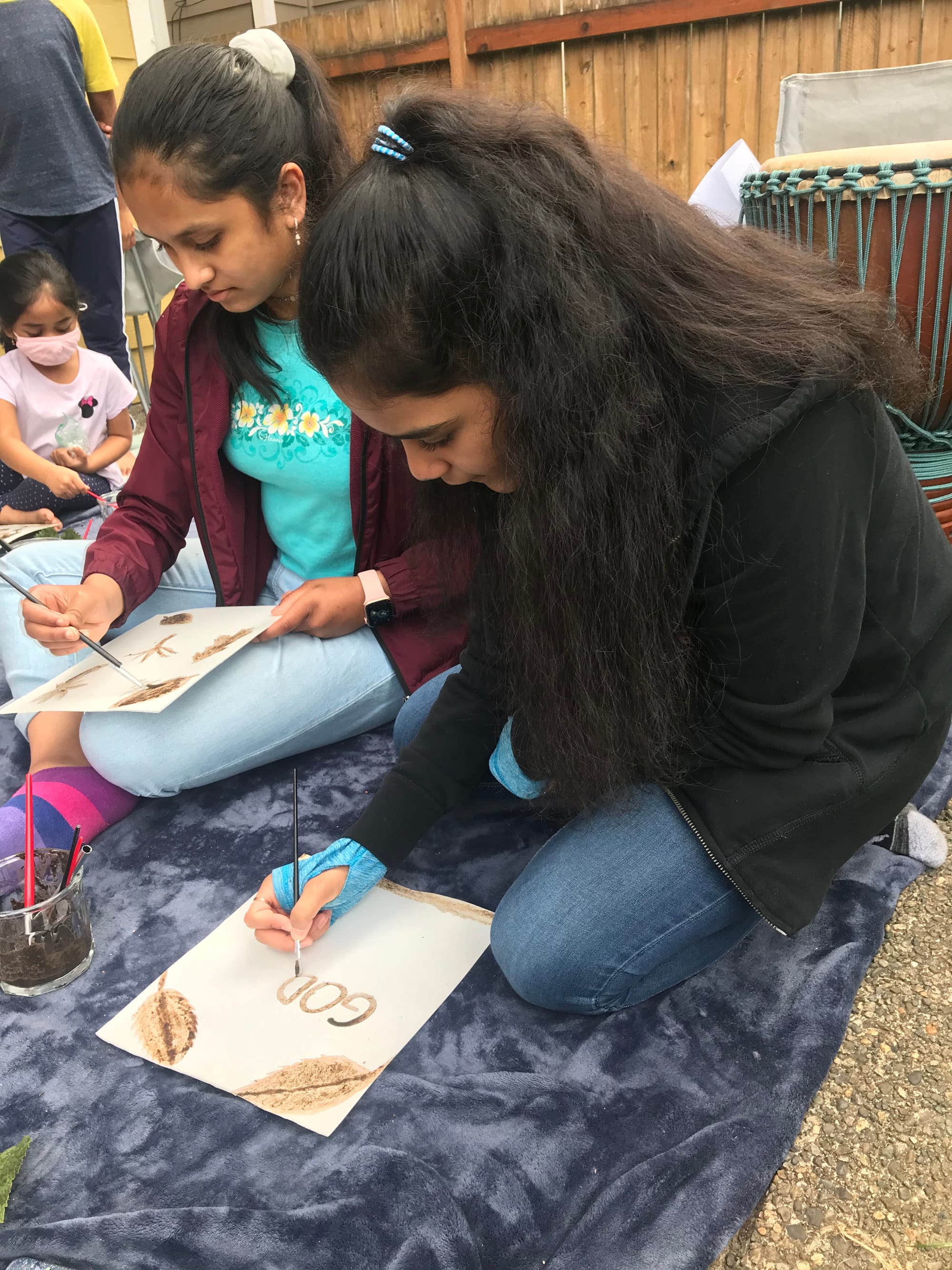
Encouraging free play in natural spaces builds their comfort in those spaces, giving children a break from the digital world and making space for boredom and imaginative play. Similarly, encouraging foraging for play helps children build skills in creative play and resourcefulness. For example, they can collect fallen natural items for playing or creating art. The key is to not to use foraging as a means to take and use, but as an acknowledgement that our play/art goes back to nature and is designed by God to be regenerative.
- Ecological inclusivity in homes
Growing up with chickens, goats, cows, and other animals and wildlife is uncommon for families and children in today’s world. My mother grew up that way, but I didn’t, and neither do my children. But there are some things we can do within our means and resources to help build their sense of home to include the created world and beings that live around them, beyond just family and pets in the household. Creating welcoming spaces for wildlife around the outdoor spaces of the house can help children recognize that we co-inhabit this earth and care for each other. It can be a simple butterfly feeder, bird feeder, or bird water baths on the balcony, garden, or windowsills.
- Growing food
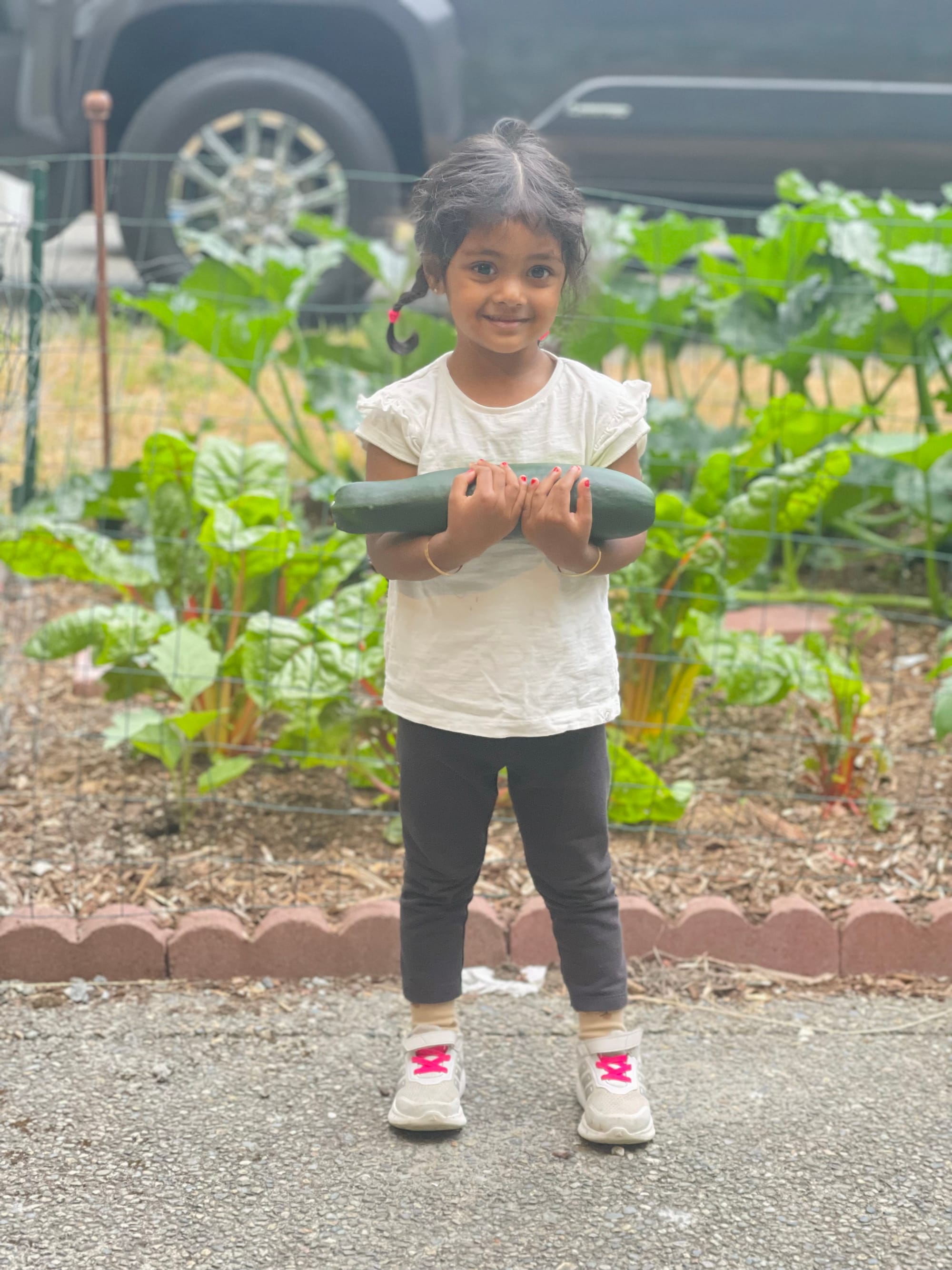
Engaging children in growing food, be it indoor plants, vegetable gardening on the balcony, or a backyard garden, can help lay a foundation for a child on how food and nature are connected, even if it is only a few plants. Children learn how growing food takes time and effort and helps them appreciate the value of food. It also establishes a sense of limit to human consumption, which I will talk about in the next section as well. It is equally important to offer exposure and opportunities to learn more about farming, animal rearing, and various ecosystems local to the community where you reside, to spark more interest for learning as they grow older.
- Building equity for all children
It is important to recognize and acknowledge the existence of the inequity of access, opportunity and resources that children from vulnerable social, cultural, racial, and economic contexts face in our communities. As community members, we can help change and build equity for all children by investing in learning and supporting policies, programs, and organizations that work towards building outdoor access and opportunities for children and youth from BIPOC and low-income households.
Building perspectives and habits that empower children to actively restore ecological health and resist systemic harm.
Ecological harm continues to perpetuate because of broken and oppressive economic systems, socio-cultural practices, and even spiritual perspectives that have isolated us from our interdependence with the created world and our role as faithful stewards of it. Helping children understand these systems and how they influence our lives and daily choices is a necessary step in equipping them with awareness and the ability to take meaningful action.
The concept of a linear economy can be helpful to understand in this context. It refers to the “take-make-waste” culture that dominates much of today’s economy: we extract materials from nature, manufacture products from them, and eventually discard them as waste (Ellen Macarthur Foundation). Our children are growing up within a linear economic system, and it requires intentional effort and everyday choices to resist and challenge its patterns. By helping children recognize where products come from, how they are used, and what happens when they are thrown away, we can nurture a deeper sense of responsibility and care for creation.
The linear economy is in contrast to the Circular Economy, which is more ecological. The principles of Circular Economy offer a useful design-driven framework for change. Please refer to the Ellen Macarthur Foundation’s website to find more details and case studies on these principles. The website highlights three principles of circular economy: Eliminate waste and pollution, circulate products and materials, and regenerate nature.
A couple of other perspective shifts and habits that I have learnt and found helpful are:
- Practicing gratitude and belonging with the created world from a place of equality and respect. Children grow when they come to understand that we share this world with all created beings and that we value those beings not just because of their usefulness to us, but for their inherent worth and place in this world.
- Practicing mindful consumption in the way we access and use resources such as water, food, clothing, and energy. We live in a culture that often encourages us to consume more and acquire more. Choosing to use less water, conserve electricity, repair instead of replace, reuse things, buy used clothing/products, or buy only what we truly need, often takes more effort. By modeling and encouraging children to make such mindful choices, we equip them with a better understanding of their needs versus wants and their responsibility toward resources. This way of living life is not rooted in guilt, deprivation, or scarcity, but in respect, gratitude, and stewardship. It is a commitment to live in ways that are sustainable and regenerative, recognizing that we still hold the power for change in our daily choices.
As you reflect on this topic, would you consider adding to our collective wisdom by sharing your insights and thoughts? What are some things you do with your children or children in your community that supports them in their journey of being Earthkeepers?
Vidhya
TO LEARN ABOUT OUR PARENT ORGANIZATION, GO HERE...


The Ecological Disciple is part of Circlewood, an organization committed to "accelerating the greening of humanity."
Comments ()