
Practical Earthkeeping: Energy Efficiency and the Master Worker
Pursuing wisdom may lead to something as practical as an energy audit.

Noah Guthrie, one of our regular contributors to The Ecological Disciple, relates the experience of a church he works as they find wise ways to steward the resources of their congregation and the earth. You can find all of Noah's posts for The Ecological Disciple on his author's page here.
Special thanks to Patrick Chappell, Abigail Miller, and Otter Creek West End of Nashville, TN, for sharing their insights for this article!
What lies at the foundation of God’s creation? Proverbs 8 gives us a hint:
“The LORD created me at the beginning of his work… when he assigned to the sea its limit, so that the waters might not transgress his command, when he marked out the foundations of the earth, then I was beside him, like a master worker…”
Who is this “master worker”? In the context of Proverbs, these words come from Lady Wisdom, a personification of wise and ethical conduct. We would also be on the right track, though, if we heard in this passage an echo of Jesus, the Word who was with God in the beginning, and through whom all things were made (John 1:1-3). And Christ is, after all, “the wisdom of God” (1 Cor. 1:24).
In short, the root of the universe is wisdom. Through wisdom, God created sky, land, sea, and all its creatures (Ps. 104:24-25). It’s also through wisdom that believers can partner with God in caring for creation.
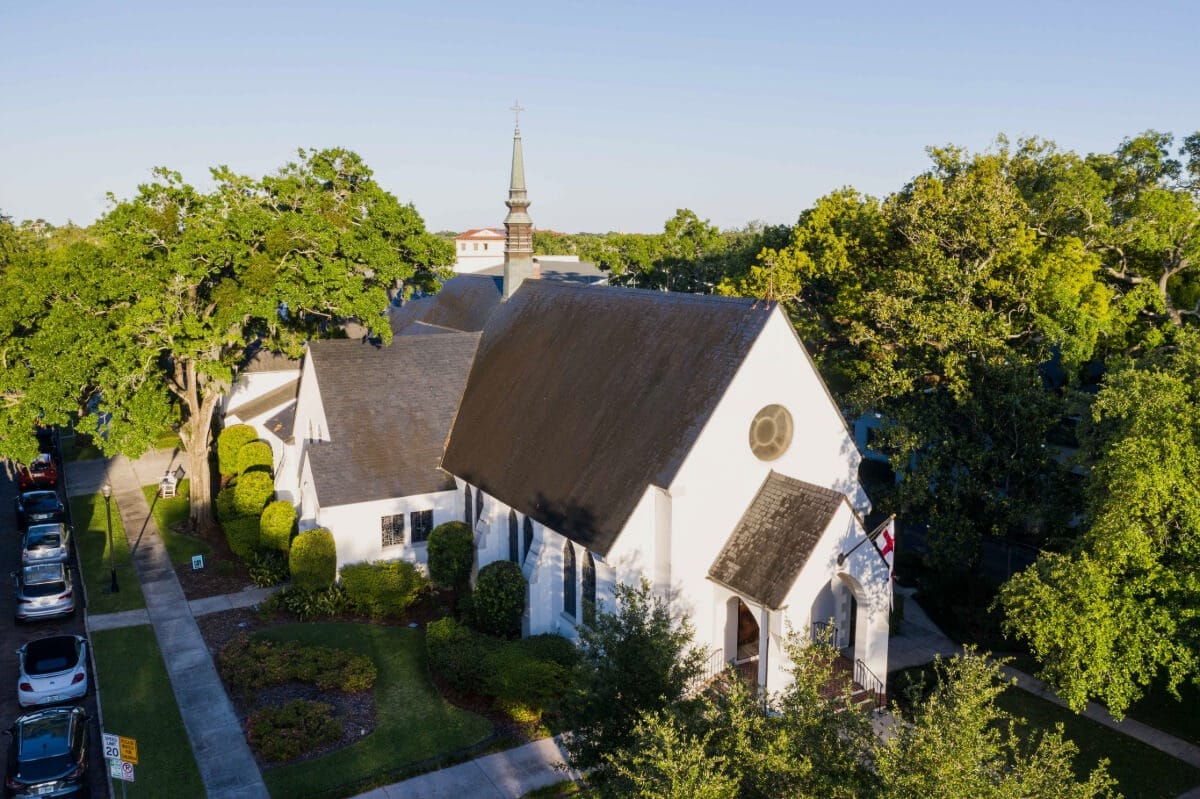
Wisdom can be used to benefit creation in many ways, but one way is by doing an energy audit. An energy audit measures a building’s use of air conditioning, light, electricity, and other such systems, providing crucial insights for how to increase that space’s energy efficiency.
When we save energy, we reduce our greenhouse gas emissions and shrink our environmental footprint, often while saving money. In other words, wisely stewarding our energy use is an excellent way to care for God’s creation.
Multiple members of A Rocha USA’s Churches of Restoration program have pursued an energy audit as a means of serving creation. Among them are Otter Creek West End, a congregation in Nashville, TN, which enacted an energy audit through the efforts of Campus Minister Patrick Chappell, ministry team member Abigail Miller, and lay-leaders Gail and Chris Gonzalez.

“We are called to be good stewards of this earth through Scripture,” Patrick shared, “and I personally feel a lot of church folk don’t take that as seriously as they should.” Knowing their congregation, Patrick, Abigail, Gail, and Chris weren’t sure if they were ready to do a larger, more “systemic overhaul” of their church to care for creation, but an energy audit struck them as a good starting point.
Through A Rocha, Otter Creek’s creation care team learned about an energy efficiency consultant called Energy for Purpose. The organization’s founder, Colby May, is a fervent Christian who has audited churches across the U.S., advising them on how to care for creation through simple and (often) low- to no-cost changes to their building’s functioning and structure.
Patrick commented, “I think some people hear the word ‘audit’ and think, ‘Oh, this is gonna be super-intense,’” but Colby’s visit to Otter Creek wasn’t like that at all. It was just “a conversation” — a friendly exchange between two believers on how to improve the building’s energy use. Colby offered suggestions on what thermostats to use, how to better insulate the building, and how to adapt their lights, windows, and HVAC systems to be more creation-friendly.
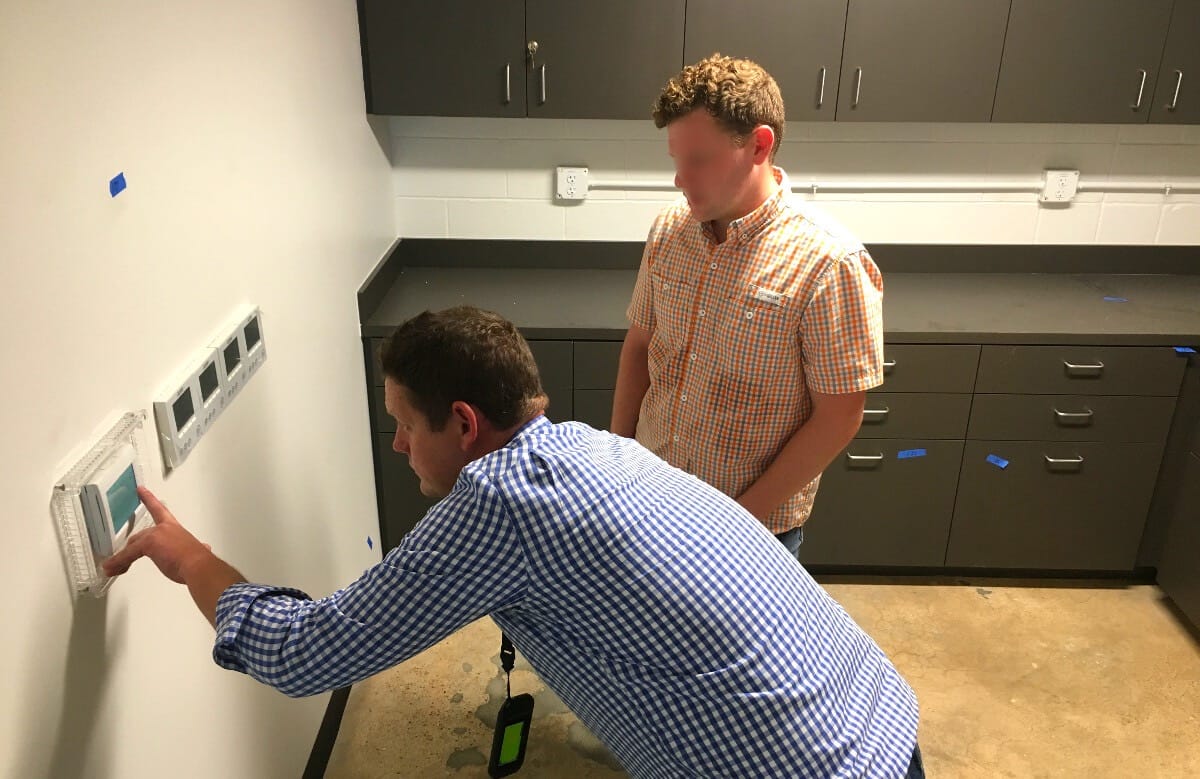
More than mere suggestions, though, Colby gave Otter Creek hard data on the energy and money they could save through energy efficiency. It’s helpful, Patrick noted, when you have a congregation with leaders “who enjoy data and stats,” to be able to say, “Hey, we did an audit, and here are the numbers.” As their congregation develops their building renovation plans, Patrick is optimistic that Colby’s energy audit will inform their work. He speculated that the audit may even inspire their church’s other campus to adopt similar energy efficiency measures.
Reflecting on the practices of U.S. churches, Abigail observed, “There can be a lot of excess, just because we live in a culture with a lot of money and resources.” By contrast, Proverbs 21:20 cautions against excessive waste: “Precious treasure remains in the house of the wise, but the fool devours it.” Why hurt God’s planet, and our church finances, by running our buildings in ways that waste heat and electricity? As Abigail noted, energy efficiency is “just common sense” – the kind of wisdom that, like the all-knowing Word, gives life to all creation.

The desire to care for God’s creation should be reason enough to enact energy efficiency, but even for those who lack that desire, it’s hard to argue with the simple logic of reducing waste and saving money for a better cause. For that reason, the audits from Energy for Purpose include estimates of the potential ministry impacts of one’s savings; with the money saved through such and such energy efficiency measures, you could serve this number of meals to the food-insecure, host this number of community outreach events, and more!
All in all, energy audits present a remarkable opportunity for faith leaders across the nation to care for creation, while also freeing up money for other ministries. Patrick stated that whether you’re a church, parish, or small business, “this could be a great way to… [practice] care for the earth.”
For those who want to increase their energy efficiency, you may enlist the help of Energy for Purpose, or of one of the many other energy efficiency consultants found online. You can also find tax incentives, rebates, and grants for energy efficiency upgrades through North Carolina State University’s DSIRE database. You can even rally church volunteers to enact their own carbon footprint audit using Climate Stewards’s “Quick Start Guide for Churches” and their free carbon calculator.
Whatever steps you take, great or small, take comfort knowing that Christ guides your efforts. We have the privilege to strive together with God toward wise energy use, so that our wisdom may join Christ’s Wisdom in bringing life to all creatures and landscapes. On this path, we may enter the blessing of Lady Wisdom herself, who delights with all creation:

“I was daily [God’s] delight, rejoicing before him always, rejoicing in his inhabited world and delighting in the human race” (Prov. 8:30-31).
Thanks for reading my piece! - Noah
If you have any thoughts you’d like to share about this post feel free to email me at “noah.guthrie@arocha.org” or comment below.
For any who feel led to give, most of the funding for my role with A Rocha USA comes from my personal fundraising efforts. You can find my fundraising page at the following link: https://arocha.us/guthrie.
TO LEARN ABOUT OUR PARENT ORGANIZATION, GO HERE...


The Ecological Disciple is part of Circlewood, an organization committed to "accelerating the greening of humanity."
Comments ()