The Art of Creation: Circles of Color
A mural created from plastic bottle caps points to the values of sustainability and teamwork.
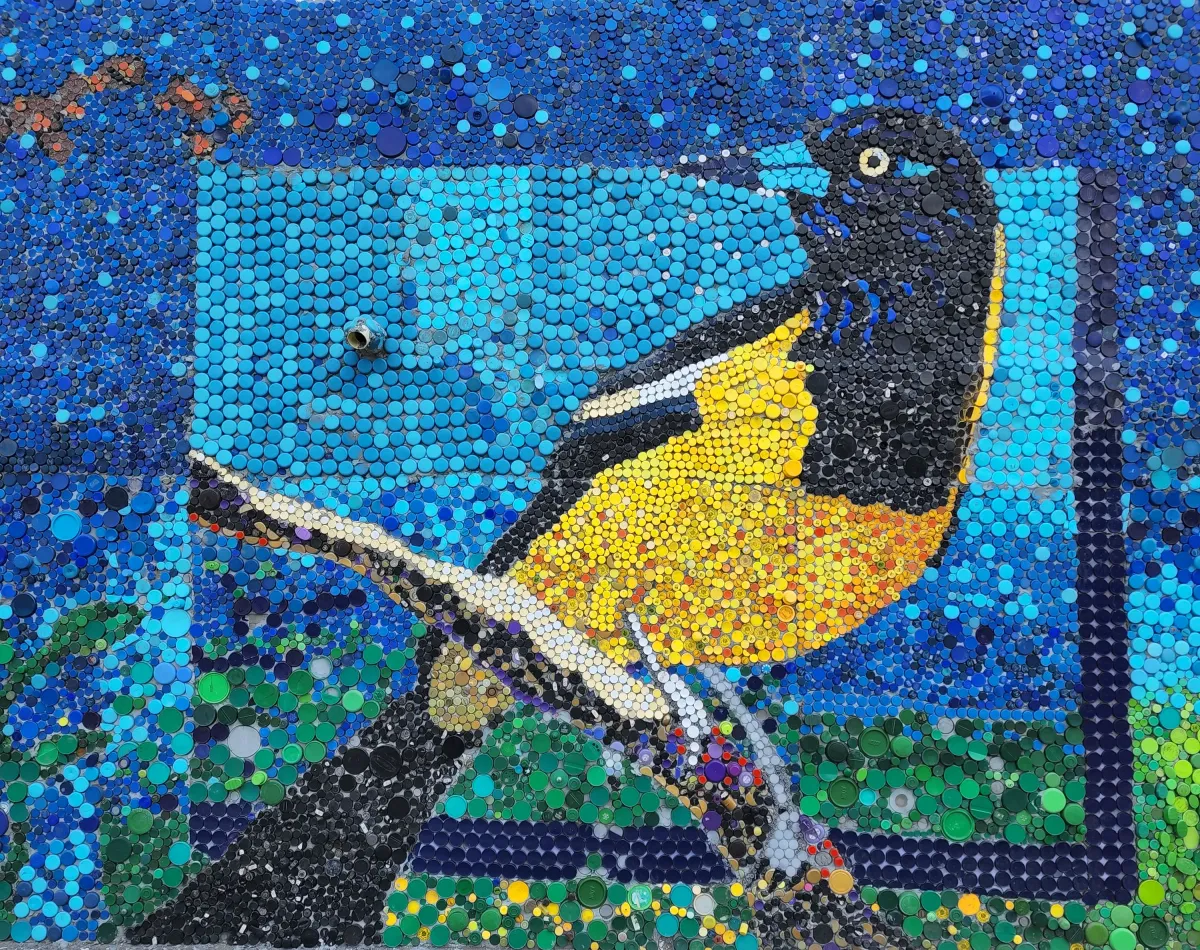
If someone views the massive mural found along Highway R-74 in Guatire, Venezuela, they probably won't intuitively connect it to Neo-Impressionist art. But French artist Paul Signac was, indeed, a major inspiration for Venezuelan artist Oscar Oliveras in his work on this fascinating mural.
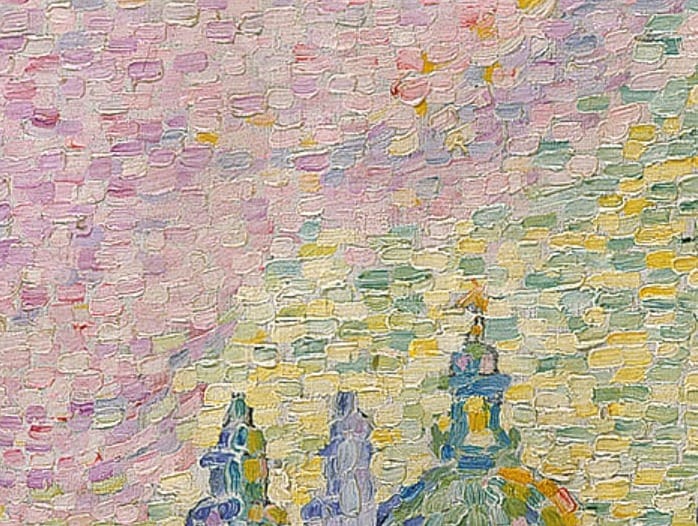
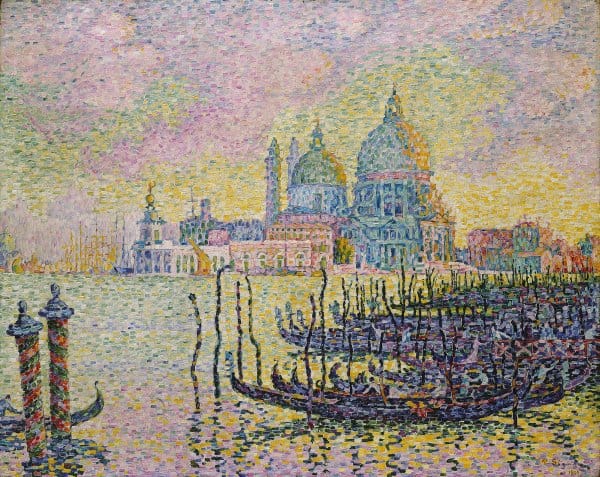
Entrance to Grand Canal, Venice. Paul Signac, 1905, oil on canvas. Left: detail, Right: complete picture.
Paul Signac, along with Georges Seurat, helped develop the technique of Pointillism, in which dots of unmixed color are applied in patterns to a canvas. The colors of the discrete dots are blended by the eye when the painting is viewed from a distance rather than the painter blending the color before applying it to the canvas.
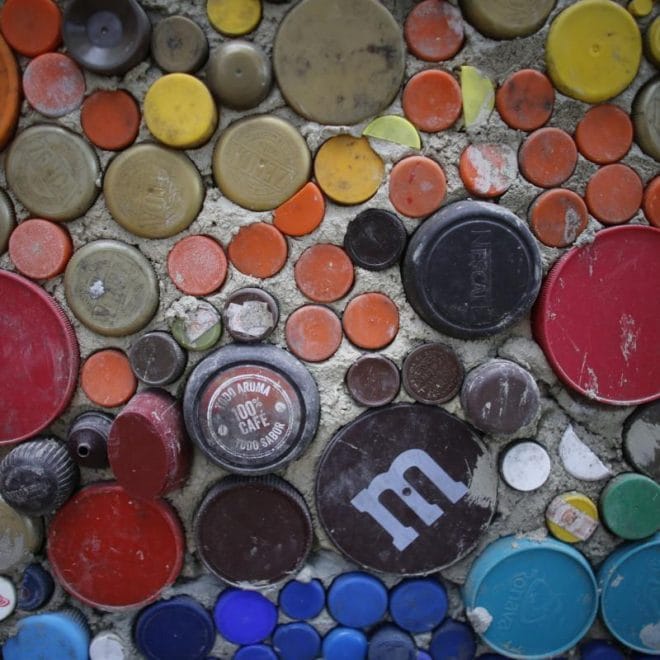
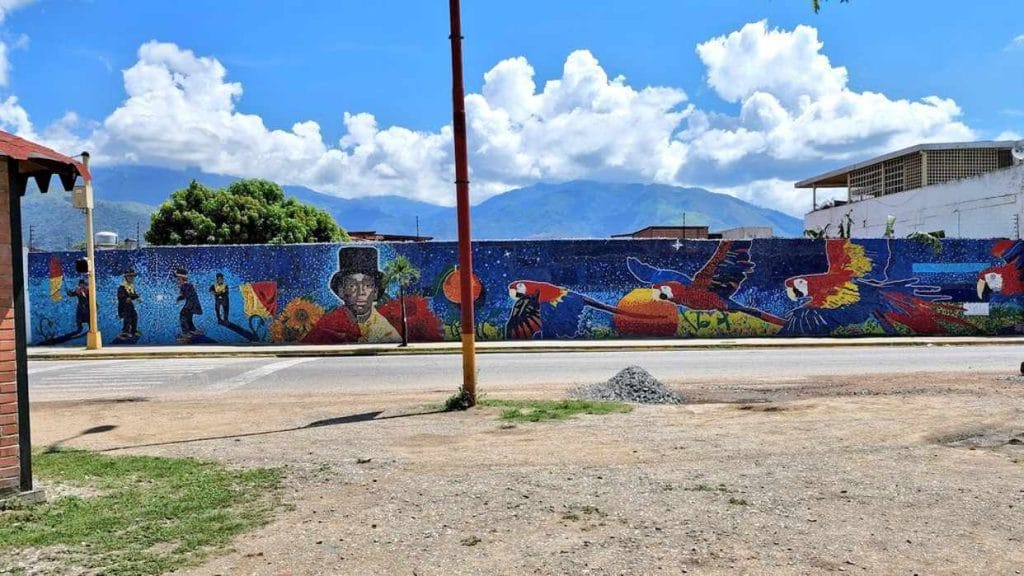
Photos from Oscar Olivares
Oscar Olivares, has, in his 295-foot long mural creation, translated Pointillism (at one time a derogatory term) into a recycled art project, using more than 400,000 plastic bottle caps in lieu of paint dots. The result, at 3500 square feet, is a huge eco-mural that is one of the largest ever using this technique.
Olivares' art, which has changed in form and subject matter throughout the years, is rooted in his passions. As he has said, "In your passions is where you can find the best answer.” For him this began with Spiderman drawings, moved to cartoon drawings of Venezuelan soccer fans and players when he was 14. At 17, after a friend of his died during the protests against the government of Nicolás Maduro, he sought to do work that had deeper meaning, and became known as the "Painter of Protests."
“In a context like Venezuela, where people live surrounded by darkness, I have sought to go beyond the darkness and show a light that is not in the political leaders but in the conscience, attitude and spirit of everyone, remembering that the human being is much more than the problems around him and that the fundamental root in the development of a country is in its citizens.”
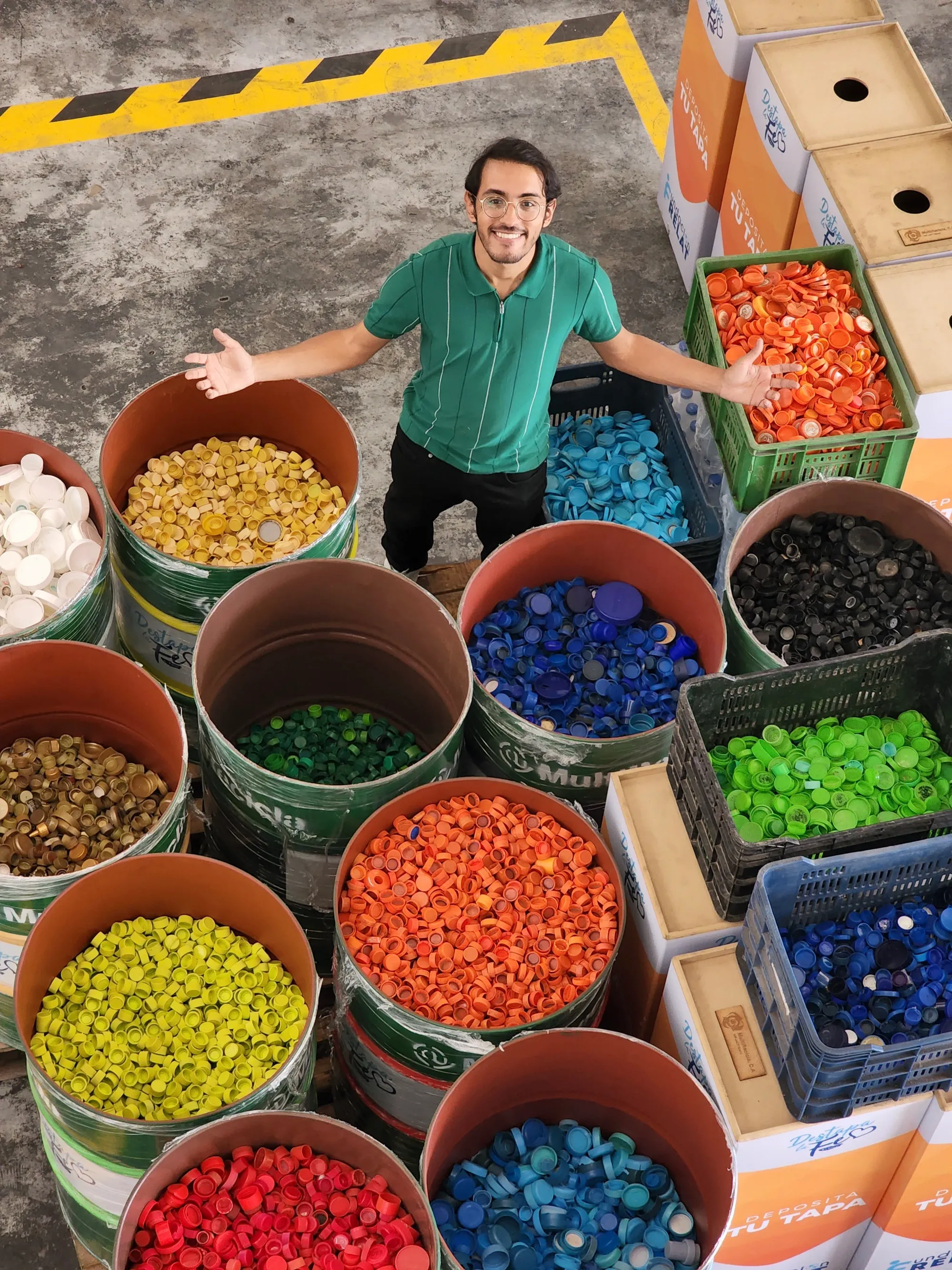
In recent years Olivares' art has sought to raise awareness about climate change and sustainability. He sees the Guatire mural (and other murals he has made using the same methods and medium) as teaching tools, as well as works of art. He believes they illuminate the problems of throwaway plastic and show people ways to reuse and recycle objects in a place where recycling is uncommon. In Venezuela, there are very few policies about recycling and very [little] information about how to recycle. There are a lot of people who want to recycle more, but they don’t know how to do it. As he says, “People learn that they can use these recycled materials differently. The art helps the awareness spread.”
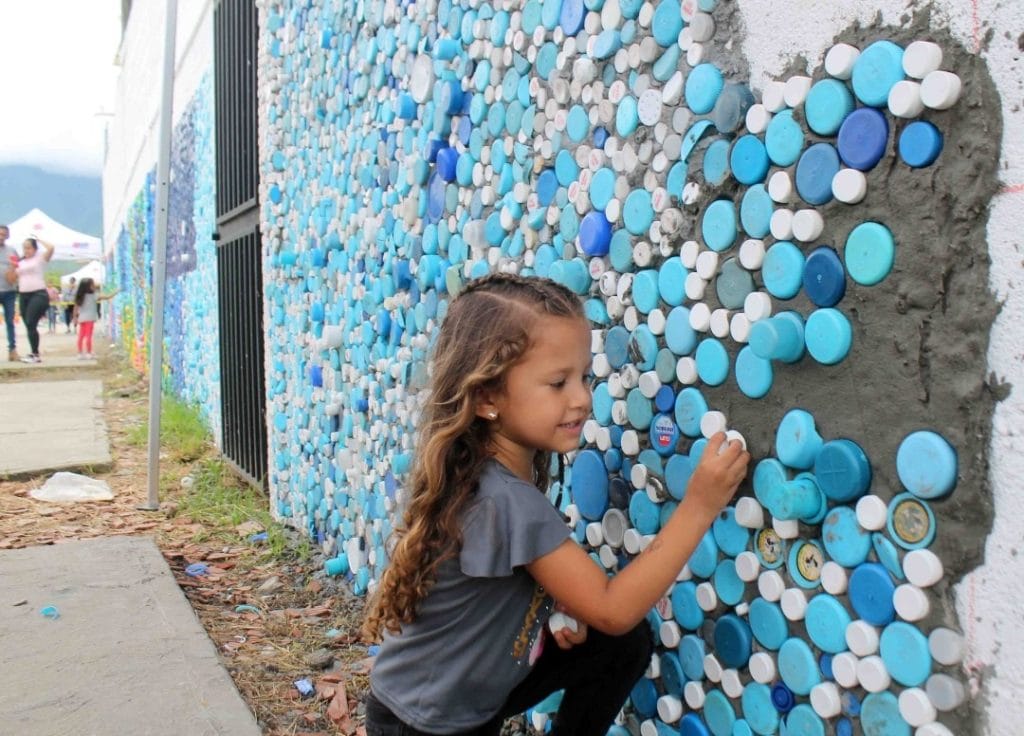
There were ample opportunities for people in the community to be involved and learn during the creation of the mural, which happened in 2022. Olivares broadcast his need for bottle caps and in the space of three months, over a million bottle caps were collected by community organizations for the project. They were then cleaned and prepared for use, with the unused caps being saved for other upcoming projects. Acquiring enough of each color needed wasn't easy, particularly getting enough yellow caps, which are less common. Olivares has said that different countries tend to have different colored caps, with Venezuela having a large variety of blue tones—16 different one—while Mexico has more tones of green caps.
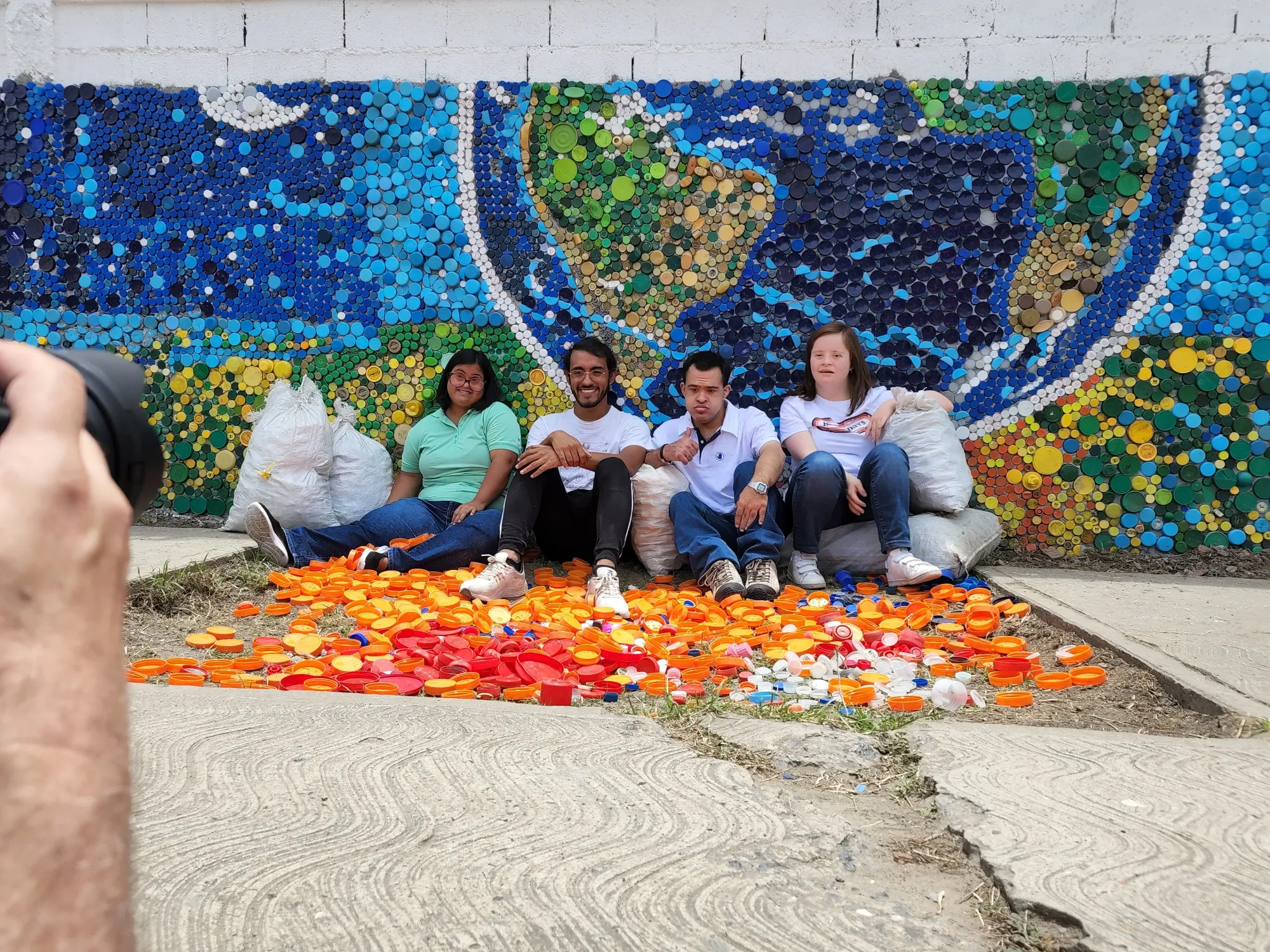
To begin the project, the cement wall where the mural was to go was painted over with a thin layer of white paint and a grid was laid onto the wall with a master template showing where each color should go. Then over the space of 33 days, Olivares and numerous volunteers glued the 400,000 bottle caps into place. Olivares expected it to take as long as three months, but because of the abundance of volunteers (sometimes more than 100 on a single day), it went much more quickly than he anticipated.
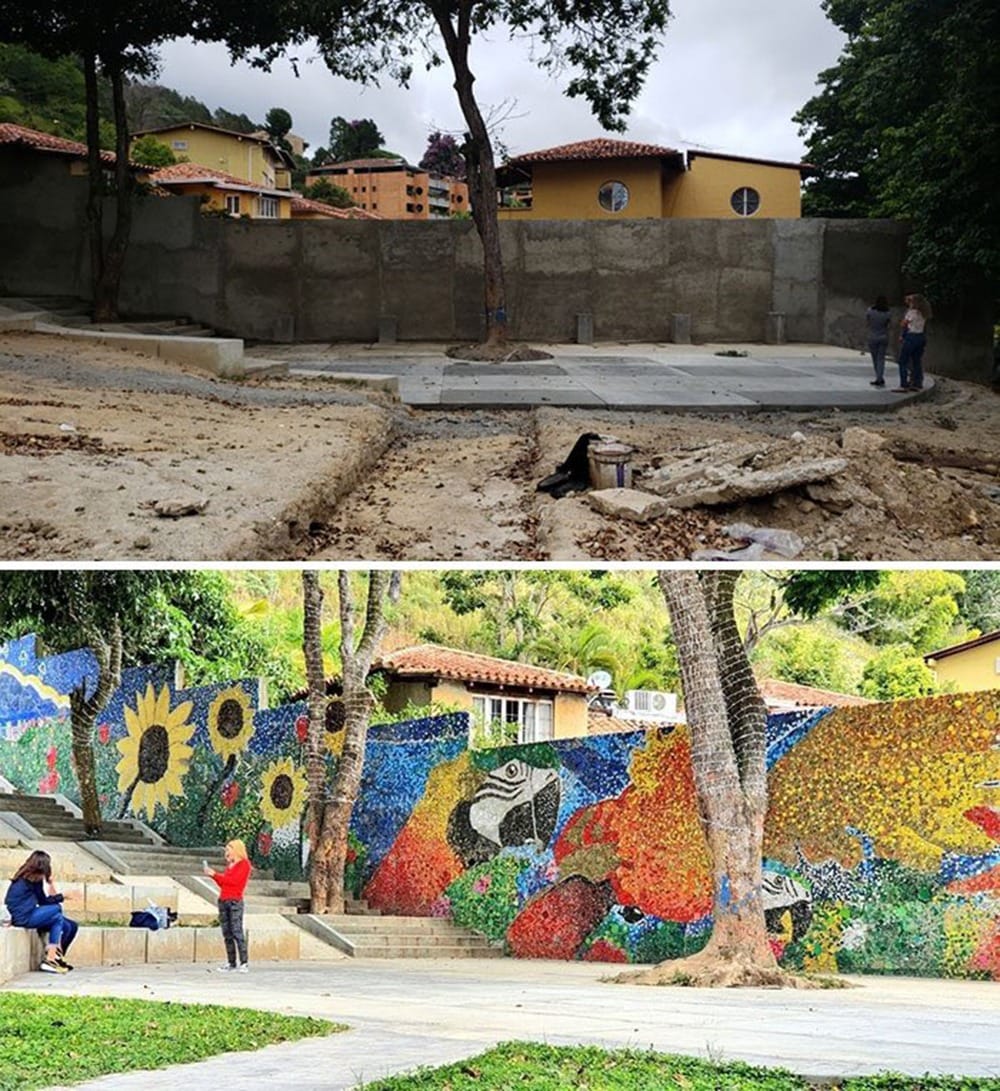
Although the mural was designed by Olivares and is named after him, the project that began with a concrete wall covered with graffiti was a community-wide effort of learning, co-operation, and artistry, including collaborators OkoSpiri and Movimiento en la Arquitectura para el Futuro. The images of the wall itself are inclusive in theme, representing the wide ecological, cultural and historical diversity of Venezuela.
Also an art teacher, Olivares invites his students to think about the message their art sends. Of his own art he says, I want people to see in my mural what communities can make when they work together. And to see how many bottle caps make up the murals and grow conscious of how many more are being thrown into the ocean.
Has a creative work of your own or of someone else inspired and taught you about living differently and more sustainably in the world?
You can learn more about Oscar Olivares and see more of his work on his website.
Feel free to leave a comment below (you can sign in through your email) or contact me directly at louise.conner@circlewood.online. We also encourage you to forward this post an anyone you think might benefit from it.
Louise
The Ecological Disciple is part of Circlewood, an organization committed to "accelerating the greening of faith."
Comments ()