
The Art of Creation: All These Years
This poem from W. S. Merwin speaks of a long friendship and a deep respect.
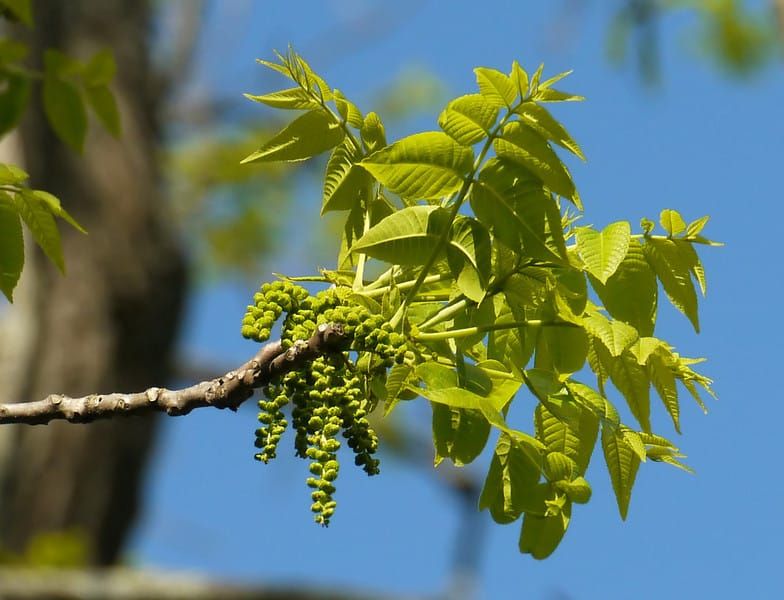
W.S. Merwin (1927-2019), a well-respected American poet who won two Pulitzer Prizes and served as the United States Poet Laureate, was also a dedicated environmentalist. He and his wife spent decades revitalizing a 19-acre former pineapple plantation in Hawaii which had been degraded by misuse. Merwin’s goal was “to restore a bit of the earth’s surface that had been abused by human improvement.” The soil was so degraded he couldn't bring native Hawaiian ecology back, so instead created one of the world's most important collections of palms, overseen now by the Merwin Conservancy, founded by Merwin and his wife. The Conservancy combines care for place, poetry, and practice through storytelling and programming.
The poem Elegy for a Walnut Tree puts into verse the deep sense of connection Merwin felt toward nonhuman members of creation.
Elegy for a Walnut Tree
By W.S. Merwin
Old friend now there is no one alive
who remembers when you were young
it was high summer when I first saw you
in the blaze of day most of my life ago
with the dry grass whispering in your shade
and already you had lived through wars
and echoes of wars around your silence
through days of parting and seasons of absence
with the house emptying as the years went their way
until it was home to bats and swallows
and still when spring climbed toward summer
you opened once more the curled sleeping fingers
of newborn leaves as though nothing had happened
you and the seasons spoke the same language
and all these years I have looked through your limbs
to the river below and the roofs and the night
and you were the way I saw the world
from Moon before Midnight ©2014,Copper Canyon Press
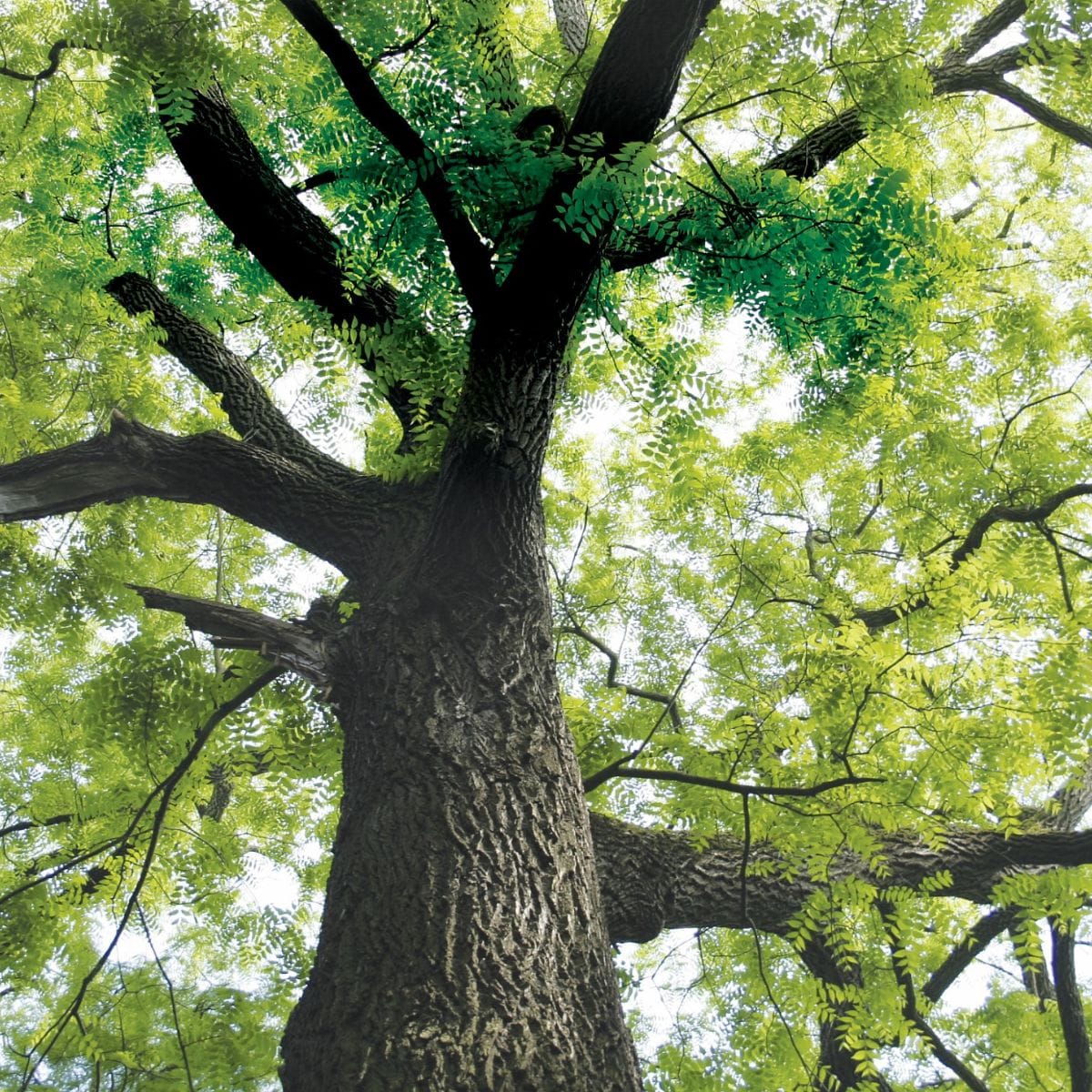
Although the poem doesn't explicitly mention the death of the tree, its death is implied, both by the use of "elegy" in the title and from the statement that "now there is no one alive who remembers when you were young." If the tree were still alive, the tree would be a witness to its own youth, so if there are no longer witnesses, the tree must be gone. The poem is like a tribute you would hear at a gathering when someone is being remembered affectionately after their death.
From the beginning, the speaker in the poem establishes the significance of the tree in his life by using the title "old friend." The "old" in the moniker "old friend" has two meanings. The tree itself is old (much older than the speaker) and the friendship is old. The speaker himself doesn't remember the tree's youth, though it was long ago— "most of my life ago"—that he first saw the tree.
This isn't a poem about aesthetic appreciation or distant admiration. The poem is about a deep connection—in fact, a friendship. This reminds me of Saint Francis’ Canticle of the Creatures (which I have written about before), in which Saint Francis refers to different elements of creation in familial terms: Sister Moon, Brother Fire, Brother Sun, Mother Earth, Brother Wind. These terms reflect Saint Francis' intimate relationships with nonhuman members of creation.
The tone of Merwin's poem is familiar, as toward one with whom the friendship has been long-term and affectionate. Like a long-ago first date, there is joy in reliving that first moment when the connection was made and in remembering the initial impressions from that meeting. Descriptions such as "it was high summer when I first saw you" and "with the dry grass whispering in your shade," speak of the significance that first encounter holds for the speaker and hint at the long, meaningful history that has followed, making that first encounter worth remembering. We don't generally remember a first meeting if nothing significant ever came of it.
The poem goes on to pay tribute to the character of the long-persevering tree. There is longevity, but there is also something deeper. There is an openness to life and growth despite the myriad of struggles the tree has witnessed and experienced. In spite of wars, partings, and general deterioration in its neighborhood, the poet marvels that "still when spring climbed toward summer you opened once more the curled sleeping fingers of newborn leaves as though nothing had happened." I sense a deep respect toward a being that has witnessed and experienced hard things and yet continues to remain vulnerable by sprouting its "newborn leaves." Implied here and later in the poem, the tree has taught the person a way of living that is relevant to humans as well as to trees.
There is a difference between seeing something merely as a metaphor and seeing something in and of itself, which may or may not also be used as a metaphor. The tree is not just a metaphor. It is an actual tree that the narrator has known, and loved, and learned from. Over many, many years, he has watched it and learned its story, and that deep observation has caused him to see life differently.
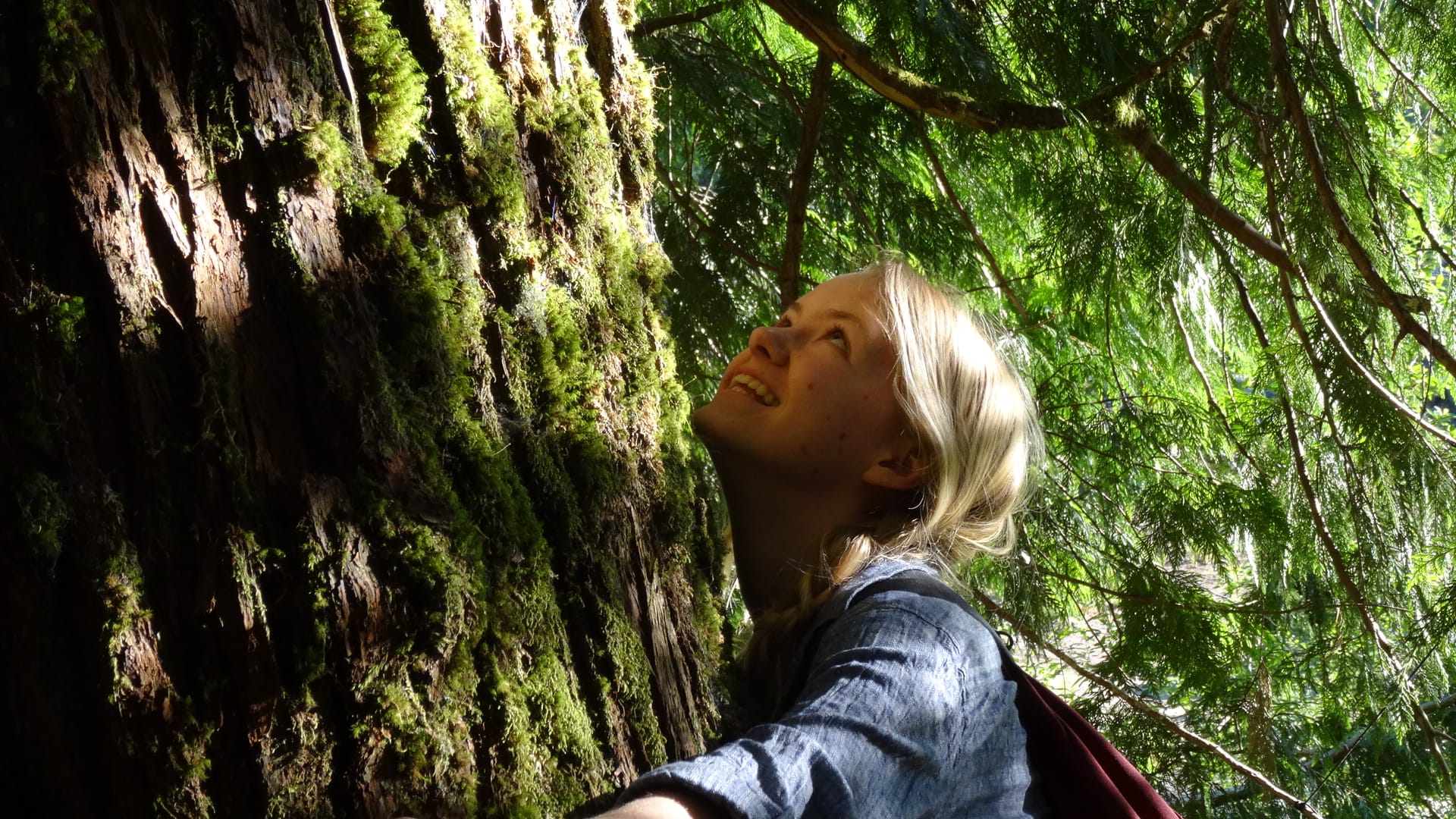
Have you ever experienced this kind of significant cross-species connection? Have you ever known a tree or a mountain or another nonhuman being over some extended period of time in a way that changed your life perspective? This is what the poet has experienced; the tree has shaped his view of the world. It is through the limbs of the tree that he has seen the world. This is both literally true as the speaker looks visually through the form of the tree, and also true spiritually as he has grown and changed because of the tree's presence and witness in his life.
Does it feel strange to you to grieve for beings that aren't human? If so, why do you think this is? If you can't imagine grieving or paying tribute to a nonhuman member of the world, perhaps you will want to get better acquainted with one. Knowing something means giving your time and attention—part of yourself—to that other being, particularly over a longer stretch of time. I encourage you to open your eyes to possibilities for connection around you.
If you have experienced a significant cross-species connection, would you like to share that experience with us? If so, you can leave that story in the comments below (where you can leave any other comments as well) or write to me at louise.conner@circlewood.online.
Louise
IF YOU LIKED THIS, HERE'S ANOTHER TO TRY...
 James Amadon, Editor
TO LEARN ABOUT OUR PARENT ORGANIZATION, GO HERE...


The Ecological Disciple is part of Circlewood, an organization committed to "accelerating the greening of humanity."
Comments ()